Long Journeys With Children, Broken Into Blocks
I remember sitting in a terminal at Heathrow, staring at a brightly coloured travel brochure that promised “stress-free family adventures,” while my two-year-old was currently attempting to eat a discarded boarding pass and my four-year-old was weeping because his juice box was “too loud.” The travel industry loves to sell you a version of how to travel long distances with children that involves pristine linen outfits and perfectly timed naps in ergonomic car seats. But as a former paediatric nurse, I can tell you that the brochures don’t account for the biological reality of a toddler hitting a sleep regression in the middle of a six-hour drive, or the sheer, unadulterated chaos of a delayed flight when everyone’s blood sugar has bottomed out.
I’m not here to sell you a specific brand of expensive distraction toy or a rigid itinerary that will inevitably fall apart by noon. Instead, I want to give you the version of this guide that actually works when you’re exhausted and cornered in a cramped middle seat. I’ll share what the clinical evidence suggests about routine and sensory input, but more importantly, I’ll tell you what I’ve learned from four different children who all decided to test my sanity in different ways. We’re going to focus on survival, sanity, and realistic expectations, because if you make it to the hotel without a total meltdown, you’ve already won.
Table of Contents
Understanding How to Travel Long Distances With Children

Before we get into the nitty-gritty of bags and schedules, we have to address the fundamental mismatch between “travel logic” and “child logic.” When I was on the ward, I saw parents arrive for trips looking like they’d prepared for a military operation, only to be completely undone by a single missed nap or a spilled juice box. The mistake most people make is treating a long journey like a logistical puzzle to be solved, rather than a series of unpredictable physiological shifts. A three-year-old doesn’t care that you’ve optimized your route; they care that their body feels weird because they’re in a car seat instead of their own bed.
To survive this, you have to stop aiming for a “seamless experience”—that’s a myth sold by people who don’t have kids. Instead, your goal is damage limitation. Whether you are looking for flying with infants tips or trying to assemble a long distance car ride survival guide, you have to plan for the inevitable dip in mood. I learned with my second, who was nearly two at the time, that if you don’t account for the “witching hour” hitting right as you cross a state line, you aren’t planning; you’re just hoping. And hope is a very poor substitute for a well-timed snack.
Key Things to Know
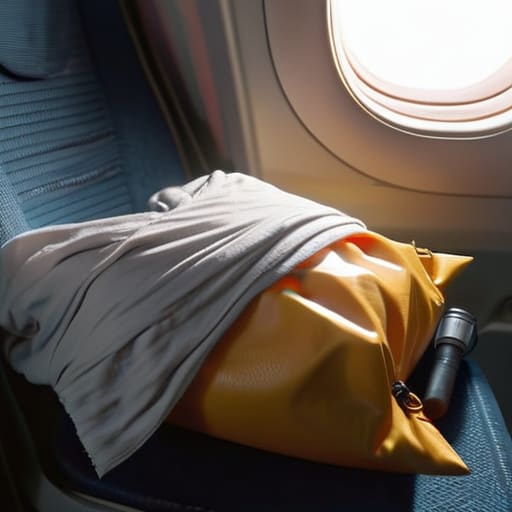
First, let’s talk about the logistics that actually matter when you’re mid-transit. The textbooks will give you a generic traveling with kids packing list, but they won’t tell you that the most important item is often the one you forgot because it seemed too obvious. When my second was eighteen months old, I learned the hard way that a “complete” bag is useless if it doesn’t include a change of clothes for you as well as the child. If a spilled juice box or a sudden bout of motion sickness happens in a cramped car or a middle seat, you don’t want to be the parent trying to change a toddler while wearing a pristine white shirt.
Secondly, you have to accept the reality of the “window of tolerance.” Whether you are looking for flying with infants tips or planning a twelve-hour drive, there is a specific point where stimulation turns into sensory overload. I’ve seen it happen with my three-year-old: ten minutes of quiet play, then suddenly, the world is ending because a cracker broke. You cannot schedule your way out of a meltdown, but you can prepare for the inevitability of the crash by having high-value, low-mess distractions ready to deploy before the screaming starts.
Practical Tips and Steps
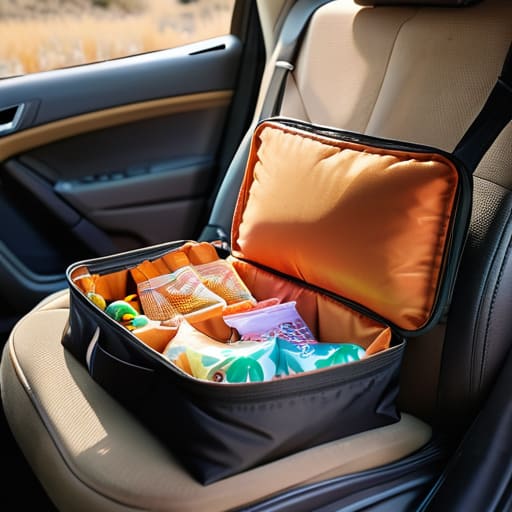
First, let’s talk about the gear. The clinical advice says to pack light, but my experience with four kids has taught me that a “minimalist” approach is just a recipe for a crisis in a service station at midnight. Your traveling with kids packing list needs to be more than just clothes; it needs to be a tactical kit. For my second child, who was two at the time, I learned that the most important item wasn’t a fancy new toy, but a stash of kid friendly travel snacks that didn’t require a table to eat. Think pouches, crackers, and things that don’t crumble into a mountain of dust the moment you hit a pothole.
When it comes to the actual movement, whether you’re in a car or at thirty thousand feet, the goal isn’t constant entertainment—it’s managing the energy. If you’re looking for flying with infants tips, my rule of thumb is to time the heavy lifting around their natural nap windows, but don’t be surprised when a teething six-month-old decides that a pressurized cabin is the worst place on earth to be. The trick is having “novelty” items—things they haven’t seen in a week—ready to deploy only when the tension in the backseat starts to rise.
Common Mistakes to Avoid
The biggest mistake I see—and I’ve made it myself, usually while staring blankly at a lukewarm coffee in a service station—is the “Optimism Trap.” We plan the trip based on the best version of our children. We think, “Leo is four now, he’ll love looking out the window,” forgetting that at four, he also has the attention span of a goldfish and the emotional volatility of a Shakespearean tragic hero. If you treat your traveling with kids packing list like a checklist for a peaceful journey rather than a toolkit for inevitable chaos, you’re going to be caught off guard. Don’t pack for the child you wish they were; pack for the one who is currently losing their mind because their toast was cut into triangles instead of squares.
Another pitfall is the “Sanity Sacrifice,” where we try to maintain strict routines that simply cannot exist in a moving vehicle or a pressurized cabin. I used to try and stick to exact nap times with my second, which worked fine when he was eighteen months old, but by the time he was three, trying to force a nap in a car seat was just a recipe for managing toddler tantrums during travel that lasted three states. Stop fighting the environment. If the schedule breaks, let it break. You can recover a routine once you’re behind a closed door; you can’t recover your dignity in the middle of Terminal 5.
Final Thoughts
If you’ve made it this far through the checklists and the tactical advice, you’re probably already mentally rehearsing the battle. I’ve been there. I remember when my second was eighteen months old; we thought we were masters of the universe because we had a perfectly curated traveling with kids packing list and a car full of pristine, un-crushed crackers. Then, two hours into a four-hour stretch, the reality of a meltdown in the backseat hit us, and that list felt like a cruel joke.
The truth is, no amount of road trip essentials for toddlers or carefully planned distraction techniques can fully insulate you from the chaos of a tired child in a confined space. There will be moments when the “expert” advice fails, and you’ll find yourself sitting in a service station at midnight, wondering why you didn’t just stay home. When that happens, give yourself some grace. You aren’t failing at travel; you are simply navigating the messy, unpredictable reality of being a parent. Pack the snacks, prepare the toys, but most importantly, prepare to pivot when the plan goes sideways.
Five things the travel brochures won't mention
- Pack for the ‘lost and found’ moments, not the itinerary. The textbooks tell you to pack a neat little bag of essentials, but they don’t account for the moment your three-year-old decides their favourite, crusty, half-chewed teddy is the only thing keeping them from a total neurological collapse in a middle seat. I always tell parents: pack twice as many ‘comfort items’ as you think you need, and keep one specific, low-stakes toy hidden away for the exact moment the boredom turns into a tantrum.
- The ‘Buffer Hour’ rule. When I was nursing, I saw parents arrive at the airport or station with military precision, only to be undone by a single spilled juice box. My rule now—which I started applying when my second child was eighteen months old—is to build a sixty-minute ‘chaos buffer’ into every transition. If the flight is at noon, you act like it’s at eleven. That extra hour is what you use to find the missing shoe or deal with the sudden, inexplicable refusal to wear trousers.
- Food is a tactical tool, not just nutrition. Don’t rely on the lukewarm, overpriced sandwiches available at the terminal. I’ve learned through four different children that a well-timed, high-protein snack can be the difference between a smooth journey and a meltdown. When my eldest was four, I realised that ‘grazing’ is much more effective than ‘meals’ when you’re stuck in a car or a plane; small, frequent bites keep the blood sugar steady and the irritability low.
- Lower your expectations of ‘quality time.’ There is a pervasive myth that long trips are opportunities for beautiful family bonding. In reality, if you’re travelling with a toddler or a preschooler, success is simply everyone arriving at the destination without anyone being physically injured or emotionally traumatised. When my third child was two, I stopped trying to make the car journey ‘educational’ and started just trying to make it ‘quiet.’ Sometimes, a heavy dose of a mindless cartoon is the most practical parenting tool you have.
- Know when to call it a loss. There is a specific kind of parental guilt that hits when you realize the ‘planned activities’ are failing. If your five-year-old is currently screaming because the plane’s air vent is ‘looking at them funny,’ stop trying to follow the schedule. The schedule is dead. In my nursing days, we called it triage; in parenting, I call it survival. Forget the museum booking for tomorrow; just focus on getting through the next twenty minutes.
The Short Version (For When You’re Too Tired to Read)
Trust the evidence for the logistics, but trust your gut for the crisis management; a textbook can tell you how to pack a diaper bag, but it can’t tell you how to stay calm when a three-year-old decides the plane is the worst place on earth.
Plan for the “failure modes”—the delayed flights, the missed naps, and the spilled juice—because if you only prepare for the perfect itinerary, you’ll be halfway to a breakdown by the first unexpected hiccup.
Lower your expectations of yourself; you aren’t failing if the trip is messy, you’re just parenting in a high-pressure environment, and sometimes “getting there in one piece” is a much better goal than “following the schedule.”
The Reality Check
If you’ve taken anything from this, let it be this: you cannot plan your way out of a toddler’s bad mood or a flight delay. You can pack the snacks, download the shows, and time the naps with surgical precision, but at some point, the spreadsheet will fail you. I learned that the hard way with my second child, who decided a six-hour train journey was the perfect time to discover he actually hated being contained. The goal isn’t to achieve a flawless, silent transit; the goal is to manage the fallout when things inevitably go sideways. Focus on the essentials—hydration, distraction, and your own patience—and accept that the journey is going to be messy.
When you’re sitting in a cramped seat, feeling the heat of a meltdown and the weight of every stranger’s stare, please remember that you aren’t failing. You are just parenting in a high-pressure environment. I’ve seen parents in the hospital wards who were navigating much more complex crises with far more grace than you’ll feel like you have right now. Long-distance travel is a marathon, not a sprint, and the destination is worth the chaos. Once you’re finally through the door of your hotel or home, take a breath, order some takeaway, and remind yourself that you survived. You’ll get there.