
Everything the Manuals Tell You About How to Prepare a Nursery for a Newborn Is Designed for a Perfect Child in a Perfect World—here Is What You Actually Need When Reality Hits at 3 A.m.
I remember standing in the middle of a half-assembled nursery with my first child on the way, staring at a $900 designer rocking chair that I’d convinced myself was essential for “bonding.” I had spent weeks reading every glossy guide on how to prepare a nursery for a newborn, convinced that the right aesthetic and a mountain of organic cotton swaddles would somehow make the sleep deprivation more manageable. Looking back from the other side of four kids, I realize I was just buying stuff to quiet my own anxiety. The truth is, most of those high-end nursery checklists are written by people who have never had to navigate a dark room in a sleep-deprived haze while trying to find a clean onesie.
In this guide, I’m going to strip away the marketing fluff and tell you what actually matters when the sun goes down. I’ll give you the breakdown of what the medical manuals suggest versus what actually works when you’re exhausted and operating on three hours of broken sleep. We aren’t going to obsess over color palettes; instead, we’re going to focus on functional survival. I’ll tell you what you truly need to have within arm’s reach, what’s a complete waste of your hard-earned money, and which “essential” items are actually just clutter in disguise.
The Baby Nursery Essentials Checklist the Manual Wont Mention
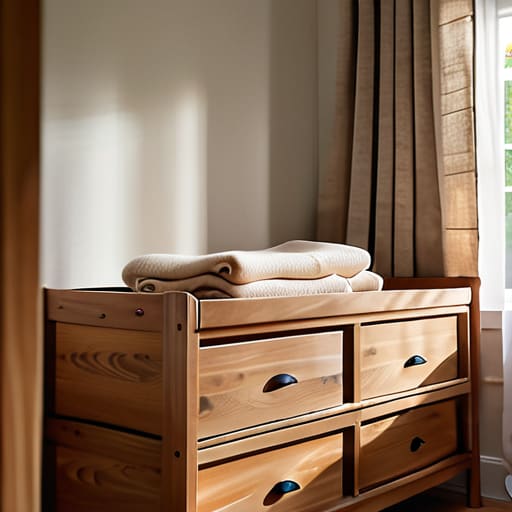
The official baby nursery essentials checklist will tell you that you need a designer crib, a coordinated changing table, and a mountain of organic cotton swaddles. And sure, those things look great in a staged photo, but they don’t account for the sheer, unadulterated chaos of a real house. When my first arrived, I had spent a fortune on these must-have newborn nursery furniture pieces, only to realize that a heavy, wooden dresser that isn’t anchored to the wall is basically a ticking time bomb once they start pulling themselves up at six months.
Instead of obsessing over color palettes, focus on your nursery safety checklist for babies. You need a dimmable nightlight that doesn’t turn the room into a bright interrogation chamber, because nothing wakes a sleeping infant faster than a sudden burst of light during a 3:00 AM diaper change. You also need a way to reach everything without moving your feet; if you have to stand up and walk across the room to find a clean nappy or a wipe, you’ve already lost the battle. Practicality wins every single time.
Must Have Newborn Nursery Furniture That Actually Survives the Chaos
When you’re looking at a catalog, a sleek, mid-century modern dresser looks like the dream. But when you’re three weeks in and trying to change a blowout while your toddler is banging on the door, you realize that a dresser with too many shallow drawers is a recipe for a breakdown. You need deep, sturdy drawers for those massive stacks of onesies. My second child, Leo, was about six weeks old when I realized that a changing table with integrated storage isn’t a luxury; it’s a survival tactic. If you have to walk across the room to find a clean diaper, you’ve already lost the battle.
Then there is the cot. The manuals will give you a long list of must-have newborn nursery furniture, but the only thing that truly matters is creating a safe sleep environment for infants. I’ve seen parents spend a fortune on fancy, padded bumpers and elaborate nesting pillows, only to realize—usually after a very long night—that those are the first things you need to strip away to keep the baby safe. Stick to a firm, flat mattress and a tight-fitting sheet. It’s not the most Pinterest-worthy setup, but it’s the one that actually lets you sleep.
Five Things I Learned the Hard Way (While My Own Kids Were Screaming)
- Lighting is everything, and “bright” is your enemy. The manual tells you to make sure the room is well-lit for inspections, but when I was nursing my first, I realized that a bright overhead light at 3:00 AM is like a physical blow to the face. Get a dimmable lamp or some warm-toned fairy lights. You want just enough light to see the diaper situation, but not enough to signal to the baby—or you—that the sun is coming up.
- The “Reach Test” is more important than the aesthetic. When I was a nurse, I saw how much easier it was for tired parents when everything was within arm’s length. Before you commit to a beautiful, minimalist layout, sit in your nursing chair and reach out. Can you grab a wipe, a fresh onesie, and a bottle without standing up? If you have to get out of that chair every time the baby stirs, you’re going to be exhausted by week three.
- Don’t over-index on “specialist” gear. The shops will try to sell you a dedicated diaper disposal system that costs more than my first car. Truthfully? A standard bin with a tight lid and a heavy supply of liners works just as well. I spent way too much money on “smart” nursery gadgets with my second child, only to realize that by the time they were six months old, they were mostly just cluttering up the floor.
- Create a “Station of Sanity” for yourself, not just the baby. We spend so much time prepping for the infant that we forget the person doing the heavy lifting. Put a small basket in the nursery with a reusable water bottle, some high-protein snacks (the kind that don’t require a fork), and a phone charger. When you’re stuck in a rocking chair for forty minutes because a newborn has decided sleep is optional, you will thank yourself for having a granola bar within reach.
- Prepare for the “Reclamation Project.” This is the part no one tells you: the nursery is a temporary ecosystem. With my third and fourth, I realized that if I bought furniture that was too “niche” or specific to the newborn stage, I was just creating more work for myself later. Buy pieces that can transition. A sturdy changing table can become a toy storage unit; a comfortable glider can become a reading chair. Don’t build a shrine to infancy that you’ll have to dismantle in six months.
The Reality of the Finished Room
At the end of the day, you can tick every box on the checklist, assemble the most expensive cot, and arrange the organic cotton onesies by shade, but the nursery isn’t actually “ready” until the baby arrives. You’ll find that the high-tech monitor you spent a fortune on might be a lifesaver, or it might just be a source of unnecessary anxiety when you start hearing every tiny, normal grunt through the speaker. The most important things in that room won’t be the items listed in a glossy catalogue; they will be the practical, unglamorous tools—the extra dim lamp for midnight feeds, the basket of clean wipes within arm’s reach, and a comfortable chair that doesn’t make your back ache. When my first was born, I had a perfectly curated room that felt entirely useless the moment the real sleep deprivation set in. Focus on the function, not the aesthetic.
If you feel like you haven’t done enough, or if you’ve spent your budget on things that are currently gathering dust, please hear me: you are doing fine. A nursery is just a room with four walls and some furniture; it is not a measurement of your competence as a parent. When the chaos begins, and it will, the room will change. There will be laundry piles, stray toys, and perhaps a bit of spit-up on that pristine rug. That isn’t failure; that is life happening. Build a space that serves you and your baby, but don’t let the pursuit of the “perfect” nursery steal the peace you need before the storm arrives. The most important thing you bring into that room is you.
When you’re finally staring at that empty room, it’s easy to get caught up in the aesthetics of it all—the specific shade of sage green or the exact weave of a muslin blanket—but I learned with my first, when he was three weeks old, that you need to focus more on the logistics of movement. You want everything within an arm’s reach so you aren’t stumbling through the dark, and if you’re looking for practical ways to manage the sudden shift in your household dynamics or find local support as you navigate this new chapter, checking in with a community like w4m brisbane can be a surprisingly helpful way to stay connected when your world suddenly shrinks to the size of a nursery. It’s about building a bit of a safety net before the sleep deprivation actually sets in.