Fussy Eating Is Developmental, Not Defiance
I once spent an entire shift on a paediatric ward watching a mother cry because her two-year-old refused anything that wasn’t a specific brand of plain white pasta. She had read every parenting blog in existence, tried every “sensory play” trick, and spent a small fortune on organic, rainbow-coloured puree pouches, yet her child was still treating the dinner table like a battlefield. The internet loves to sell you complex, expensive systems for how to manage fussy eating, but most of those glossy guides fail to mention that a toddler’sเดียว goal in life is to test exactly how much power they have over you.
I’m not going to give you a list of “superfoods” or tell you to hide broccoli inside a muffin—because I’ve seen that fail spectacularly with my own three-year-old. Instead, I want to give you the bridge between what the clinical guidelines say and what actually works when you’re staring at a plate of cold nuggets at 6:30 PM. I’ll tell you when a picky eater is a medical concern worth a GP visit, and when they are simply a normal, slightly exhausting part of growing up.
Table of Contents
- The Gap Between Guidance and the Toddler Mealtime Struggles
- What the Science Says About How to Manage Fussy Eating
- The Division of Responsibility in Feeding Theory vs Reality
- Sensory Processing and Eating When Textures Become Battlegrounds
- Practical Food Aversion Strategies for the 2 Am Panic
- Real Picky Eater Nutrition Solutions That Actually Work
- Five Things to Try When the Dinner Table Feels Like a Battlefield
- The Short Version for When You’re Too Tired to Read
- The Long Game and the Quiet Wins
The Gap Between Guidance and the Toddler Mealtime Struggles

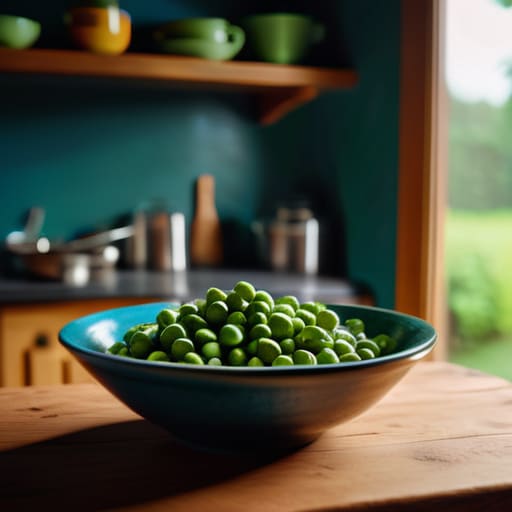
The textbooks and the clinical guidelines are remarkably tidy. They talk about the division of responsibility in feeding like it’s a mathematical equation: you provide the food, they decide how much to eat, and everyone goes to bed happy. In a controlled environment or a nursing seminar, that makes perfect sense. But the guidelines don’t account for the sheer, unadulterated drama of a two-year-old deciding that a single green pea is a personal insult.
I remember with my second, a boy who was nearly three, he decided that anything with a “squishy” texture was an act of war. You can read all the papers you want on sensory processing and eating, but reading them is very different from watching your child weep because you’ve introduced a new texture to their plate. The clinical advice tells you to stay calm and consistent, but it fails to mention that “staying calm” is a lot harder when you’ve had four hours of broken sleep and you’re staring at a bowl of expensive organic pasta that is currently being used as floor decoration.
What the Science Says About How to Manage Fussy Eating

If you look at the clinical literature, the gold standard is something called the division of responsibility in feeding. It sounds incredibly clinical, doesn’t it? But the core concept is actually quite simple: you decide what is served, when it is served, and where, while your child decides if they eat and how much. When I was working on the ward, we saw this play out with older kids, but it’s much harder to enforce when you’re staring at a three-year-old who has decided that broccoli is a personal insult. The science suggests that when we stop trying to engineer the perfect bite, we actually reduce the power struggles that fuel the cycle.
The research also points toward the importance of sensory processing and eating. For many children, a new texture isn’t just a preference; it’s a sensory overload. The textbooks will suggest “exposure” through repeated attempts, which is technically true, but they often fail to mention that “exposure” can look like a child weeping because a pea touched their mashed potato. It’s not about forcing the swallow; it’s about making the food a neutral part of their environment so they don’t develop a deep-seated fear of the dinner table.
The Division of Responsibility in Feeding Theory vs Reality
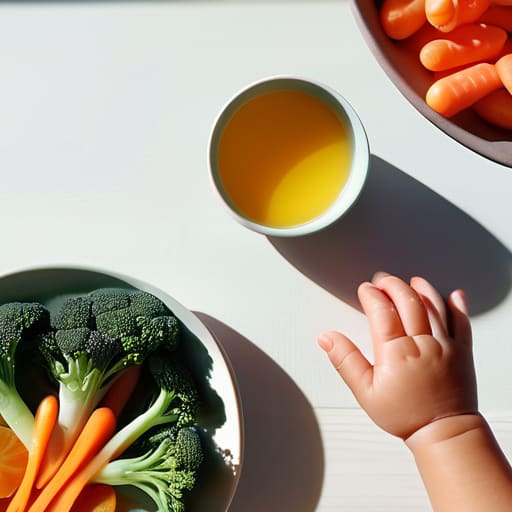
If you look up the division of responsibility in feeding, you’ll find a lovely, clean concept popularized by Ellyn Satter. The theory is simple: you decide what, when, and where food is served; the child decides if and how much they eat. It sounds incredibly liberating. In a perfect world, this removes the power struggle entirely. You put the plate down, you walk away, and you maintain your sanity.
But let’s talk about what happens when you actually try this with a two-year-old who has decided that anything green is a personal insult. In reality, “walking away” feels a lot more like abandoning a battlefield. When I was dealing with my second, the gap between the theory and the reality was a canyon. You provide the nutritious meal, but then you’re left staring at a child who is more interested in throwing a piece of broccoli against the skirting board than actually fueling their growing body. It’s easy to follow the rules when the child is cooperating, but it’s much harder when you’re worried about their caloric intake and they’re treating the dinner table like a sensory processing and eating experiment gone wrong.
Sensory Processing and Eating When Textures Become Battlegrounds
In the clinical setting, we talk about sensory processing and eating as if it’s a neat little checkbox on a developmental assessment. We explain that some children are “sensory seekers” and others are “avoiders,” as if that makes the sight of a piece of broccoli being treated like a live grenade any easier to stomach. But when you’re sitting on a kitchen floor at 6:30 PM, watching your two-year-old recoil from a spoon because the mashed potato feels “too lumpy,” the theory feels incredibly thin.
The reality is that for many kids, a meal isn’t just about calories; it’s a high-stakes negotiation with their nervous system. I remember with my second, anything with a distinctly mushy texture was an immediate dealbreaker. You can try all the textbook food aversion strategies you like, but if their brain is screaming that a piece of soft pear is a physical threat, you aren’t going to win that fight with logic. Sometimes, the most productive thing you can do isn’t forcing the bite, but simply letting them exist near the food without the pressure.
Practical Food Aversion Strategies for the 2 Am Panic
When you’re staring at a plate of pasta that has been rejected for the fourth night in a row, you aren’t looking for a lecture on developmental milestones; you’re looking for a way to survive the evening. My second child, Leo, was two when he decided that anything with a green speck was a personal insult. In those moments, I found that the best food aversion strategies weren’t about force, but about reducing the stakes. If the battle is centered on the plate, the tension becomes part of the meal. I started practicing “micro-exposure”—placing a single, tiny piece of a new food on the edge of the table, not the plate. No pressure to eat it, no “just one bite” pleas. We just let it exist.
The goal is to bridge the gap between sensory processing and eating by making the food a neutral object rather than a battlefield. When things get heated, I lean on the division of responsibility in feeding: I provide the food, but I stop trying to control the intake. It feels counterintuitive when you’re worried about their nutrition, but the less you fight, the faster the power struggle dissipates.
Real Picky Eater Nutrition Solutions That Actually Work
When we talk about picky eater nutrition solutions, the clinical approach is to ensure a “balanced plate” at every sitting. That sounds lovely in a nutrition textbook, but it’s a hard sell when your two-year-old has decided that anything green is a personal insult. In my experience—and by that, I mean the chaos of my second child—the goal isn’t a perfect nutritional profile by Tuesday. It’s about caloric density and consistency. If they’ve refused the broccoli and the salmon, but they’ve eaten three slices of toast and a yogurt, you haven’t failed; you’ve simply met the requirements for survival. Focus on adding “invisible” nutrients, like blending spinach into a fruit smoothie or stirring hemp seeds into porridge, rather than fighting a war over a single pea.
The real trick is managing the long game. When you’re introducing new textures to children, the failure mode is usually trying to force the transition too fast. I learned with my third, who was four before he’d even tolerate a soft piece of cooked carrot, that exposure without pressure is the only way to avoid a total meltdown. Don’t make the new food the main event; make it a side character that just happens to be sitting there, unbothered and unasked for.
Five Things to Try When the Dinner Table Feels Like a Battlefield
- Stop being the short-order cook. I learned this with my second, who was about two, when I spent forty minutes making a specific shape of pasta only for him to stare at it like it was a pile of live spiders. If you provide a “safe” food—something you know they usually tolerate—alongside the new thing, you stop being a servant and start being a parent. It’s exhausting to keep two menus, but it saves your sanity.
- The “One-Bite Rule” is a trap. The textbooks love it, but in my experience with my three-year-old, it usually just leads to a power struggle that ends in tears and a wasted meal. Instead, aim for “exposure without pressure.” Let them touch it, smell it, or even just let it sit on their plate without being forced to ingest it. Success at age three isn’t a swallowed pea; it’s a pea that hasn’t been thrown across the room.
- Watch the clock, not just the plate. I’ve seen so many parents try to force a “nutritious” meal at 6:00 PM when the child is actually hitting that developmental overtiredness wall. If they are hitting a meltdown threshold, no amount of broccoli is going to go down smoothly. Sometimes the best “strategy” is to recognize they are too tired to learn new textures and just call it a night.
- Neutralize the drama. When I was nursing on the ward, I saw how much a child’s anxiety spiked when the adults around them were tense. If you treat a refused carrot like a minor inconvenience rather than a nutritional catastrophe, they pick up on that. If you’re hovering, watching every chew with bated breath, they know they have the power to control the room.
- Keep a “wins” log, not a “failures” log. We tend to remember the three weeks of nothing but toast and milk, but we forget the one Tuesday when the four-year-old actually tried a piece of chicken. When you’re in the thick of it, write down the tiny victories. You’ll need to read them back to yourself when you’re staring at a plate of untouched mash at 7:00 PM.
The Short Version for When You’re Too Tired to Read
Trust the science on “division of responsibility” (you decide what and when, they decide how much), but give yourself permission to ignore the textbooks when your two-year-old decides a single piece of broccoli is a personal insult.
Focus on the nutritional wins over the long game; if they’ve eaten enough to keep their energy up and their mood stable, you’ve done your job for the day, even if it was just three crackers and a slice of cheese.
Distinguish between a genuine sensory aversion and a power struggle; if it’s the former, stop pushing the food, and if it’s the latter, stop making the dinner table a battlefield, because neither approach works when everyone is exhausted.
The Long Game and the Quiet Wins
If you take anything away from this, let it be that managing a fussy eater isn’t about winning a single battle at the dinner table; it’s about managing your own reaction to the defeat. We’ve looked at the science of sensory processing, the reality of the division of responsibility, and the fact that nutrition can often be salvaged through small, consistent wins rather than grand, forced gestures. You can follow the clinical guidance to the letter, but when your two-year-old decides that a single pea is a personal insult, the textbook approach often flies out the window. The goal isn’t a perfectly balanced plate every single night—it’s about keeping the relationship with food functional and low-stress so that they don’t learn to view mealtimes as a battlefield.
I remember when my middle child was three, she went through a phase where the only acceptable thing to eat was plain white pasta, served in a specific blue bowl, at exactly 5:15 PM. It felt like a crisis then, but looking back, it was just a season. You are doing a much better job than you feel like you are, especially in those moments when you’re staring at a plate of untouched food and feeling like you’ve failed. Hang in there. The picky phases are exhausting and they are deeply frustrating, but they are almost always temporary. Focus on the long view, feed the child you have today, and remember that growth isn’t linear.