
Fever: the Number Matters Less Than the Child
I remember sitting in a dimly lit hospital cubicle during a night shift, watching a father stare at a thermometer like it was a live grenade. He wasn’t looking for a lecture on thermoregulation; he was looking for permission to sleep. Most of the advice you find online about how to handle fevers in toddlers is written by people who have never had to balance a crying two-year-old on one hip while trying to read a clinical manual with the other hand. They give you these sterile, perfect instructions that assume you have a calm environment and a steady hand, but they completely ignore the sheer panic that sets in when your child’s skin feels like a radiator at three in the morning.
In this post, I’m stripping away the medical jargon and the “perfect parent” nonsense. I’ll tell you what the clinical guidelines actually say, but more importantly, I’ll tell you what worked for my own kids when they were hitting those scary temperature spikes. We’re going to talk about which numbers actually matter, when you can safely ignore the thermometer and just focus on comfort, and exactly when it is time to stop being a parent and start being a patient.
Table of Contents
- The Textbook vs the 200 Am Reality of Fevers
- Decoding Fever vs Infection in Kids Without Panicking
- Safe Dosage for Childrens Acetaminophen Beyond the Label
- Practical Pediatric Fever Relief Tips That Actually Work
- How to Handle Fevers in Toddlers and Prevent Dehydration
- When to Call the Pediatrician and When to Sleep
- Five Things I’ve Learned Between the Ward and the Nursery
- The Three Things to Remember When You’re Exhausted
- The Morning After the Fever
The Textbook vs the 200 Am Reality of Fevers
If you look at any standard medical pamphlet, the advice is clinical and clean. They’ll tell you that a fever is simply the body’s way of fighting off a bug, and the goal isn’t necessarily to bring the number on the thermometer down, but to manage the child’s comfort. They’ll talk about the safe dosage for children’s acetaminophen and suggest lightweight clothing. That’s the theory. It’s all very sensible until you are standing in a dark hallway with a two-year-old who is vibrating with heat and sobbing because their skin feels “wrong.”
In the ward, we had protocols. At home, I have a mental breakdown. The textbook says to monitor for signs of dehydration in toddlers, but when you’re sleep-deprived, it’s hard to tell if they’re genuinely unwell or just being a difficult two-year-old who refuses to drink anything that isn’t a specific brand of juice. I remember with my second, when he was eighteen months, I spent forty minutes obsessing over the exact milligram of medicine, only to realize I was so focused on the fever vs infection in kids debate that I’d forgotten to actually sit down and just hold him. Sometimes, the best pediatric fever relief tip isn’t a drug; it’s just being the person who stays awake so they don’t have to.
Decoding Fever vs Infection in Kids Without Panicking
Here is the distinction that the nursing textbooks often gloss over: a fever is not the enemy; it is actually a sign that your child’s immune system is doing exactly what it was designed to do. When I was on the ward, I’d tell parents that the number on the thermometer is often less important than how the child is acting. If you have a two-year-old with a 38.5°C (101.3°F) temperature who is still playing with their Duplo and occasionally sipping water, you are likely looking at a simple viral bug. But the real question—the one that keeps you pacing the hallway—is understanding fever vs infection in kids when the numbers start climbing.
The danger isn’t usually the heat itself; it’s the secondary effects. You have to watch for the telltale signs of dehydration in toddlers, like fewer wet nappies or a dry, sticky mouth, which can happen much faster than you expect when they’re fighting a bug. If they are lethargic, inconsolable, or simply won’t take a single sip of fluids, that is your cue to stop checking the thermometer and start looking for when to call the pediatrician. I remember my second child, who was eighteen months old, hitting a high fever that didn’t budge with anything; it wasn’t the temperature that scared me, it was the fact that he had gone completely limp and wouldn’t make eye contact. That is the threshold where the “wait and see” approach ends.
Safe Dosage for Childrens Acetaminophen Beyond the Label
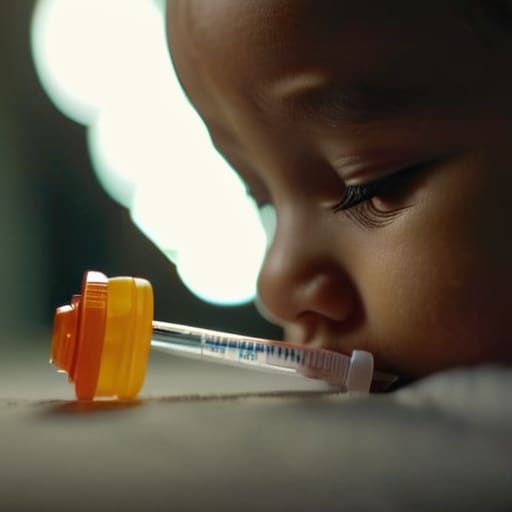
The little plastic syringe that comes in the box is your best friend and your greatest source of anxiety. The label provides the math, but math feels very abstract when you are squinting at a measuring line in a dark hallway. The most important thing I learned—both on the ward and with my second child, who was eighteen months at the time—is that dosage is based on weight, not age. If you rely solely on the age charts, you’re playing a guessing game. A heavy toddler might get barely any relief, while a smaller child might be getting more than they need. Always keep a recent weight handy, and if you aren’t sure, just ask.
When it comes to the actual administration, the goal isn’t just to “break” the fever; it’s about comforting a sick child. If the thermometer says 38.5°C but they are playing quietly with their Duplo, you might not even need the medicine. But if they are miserable, clingy, and refusing fluids, that’s when the acetaminophen becomes a tool for recovery. Just remember that it takes time to kick in—usually about forty minutes—so don’t immediately double up because you don’t see a change in the number on the screen. That’s a quick way to end up in the ER.
Practical Pediatric Fever Relief Tips That Actually Work
When you’re deep in the thick of it, forget the fancy cooling patches or the lukewarm sponge baths; they usually just result in a shivering, miserable toddler who hates you. If you’re looking for real pediatric fever relief tips, start with the basics: lightweight pajamas and a steady stream of fluids. When my second child, Leo, was two, he refused everything but ice pops when his temperature spiked. That’s fine. Whether it’s diluted juice, electrolyte solutions, or just plain water, toddler hydration during illness is far more important than forcing them to eat a meal they’ll only vomit back up.
The most important thing I learned on the ward—and again in my own living room—is to treat the child, not the thermometer. If the number says 38.5°C but they are playing with their Duplo, let them play. If the number is lower but they are lethargic and inconsolable, that’s different. Watch for the signs of dehydration in toddlers, like fewer wet nappies or a dry mouth, as these are often more telling than the fever itself. If they aren’t peeing like they should, that is your signal to pick up the phone.
How to Handle Fevers in Toddlers and Prevent Dehydration
When the fever breaks, the immediate relief is usually followed by a frantic scramble to get fluids into a child who currently views a cup as a personal enemy. The medical books focus on the temperature, but as a nurse, I learned that the real battle is often about fluid volume. In my experience, once a child hits about 18 months, they become much more stubborn about what they’ll swallow. If they are refusing water, don’t fight the battle with a standard cup; try a straw, a tiny medicine syringe, or even those electrolyte popsicles. The goal isn’t to force a full meal, but to ensure toddler hydration during illness happens in tiny, manageable increments.
The real danger isn’t the number on the thermometer; it’s the transition from “feverish” to “depleted.” You need to watch for the signs of dehydration in toddlers that the leaflets often gloss over—not just the obvious stuff, but things like a sudden lack of tears when they cry or a noticeable dip in how often they’re wetting their nappies. If they are lethargic even when the fever drops, that is a different conversation entirely.
When to Call the Pediatrician and When to Sleep
This is the part where the medical training and the sleep deprivation go to war. The textbook—and every nurse I ever worked with—will tell you to look for specific clinical markers: lethargy, respiratory distress, or a rash that doesn’t fade under pressure. If you see those, you don’t wait for morning; you call the doctor or head to A&E. But when you’re sitting on the floor of a darkened nursery, the line between “clinically unwell” and “absolutely exhausted and miserable” gets incredibly blurry.
The real trick is distinguishing between a child who is fighting a fever and a child who is truly struggling. If they are still making eye contact, playing (even if it’s just poorly), and accepting small sips of water, you are usually in the “monitor and rest” zone. However, you need to be hyper-vigilant about signs of dehydration in toddlers, like fewer wet nappies or a dry mouth, as that’s often a more urgent issue than the temperature itself. My rule of thumb, learned the hard way with my second child when he was eighteen months old, is this: if your gut instinct says something is fundamentally wrong with their behavior, trust it. The medical manual is a guide, but you are the expert on your own child.
Five Things I’ve Learned Between the Ward and the Nursery
- Stop focusing on the number on the thermometer. I spent years on the ward seeing kids with a 39°C (102.2°F) temperature who were playing happily with Lego, and then seeing toddlers with a 38°C (100.4°F) temperature who were inconsolable and lethargic. The number is just data; the child’s behavior is the real story. If they are playing, they are winning.
- Ditch the ice-cold baths. The textbook might mention lukewarm sponging, but in practice, if you put a shivering, miserable two-year-old into a cool bath, you aren’t lowering their temperature—you’re just making them scream, which actually raises their body temperature through stress. Stick to light layers and a damp cloth if they’re truly distressed, but don’t turn it into a cold-water torture session.
- Hydration doesn’t have to mean a gallon of water. When my second child had a fever at eighteen months, she refused everything. If they won’t take a cup, try a popsicle, a teaspoon of diluted juice, or even just frequent small sips. The goal isn’t to force them to drink like an adult; it’s just to keep the fluids moving so they don’t end up in a clinic with a dehydration drip.
- Keep a “fever log” that actually makes sense. Don’t just write down the temperature; write down the time you gave the medication and the dose. When you’re sleep-deprived at 4:00 AM, your brain will try to convince you that you gave them paracetamol ten minutes ago when it was actually four hours ago. Having a single notebook or a note on your phone prevents the “double-dosing” panic.
- Trust your “Nurse Brain” even if you aren’t a professional. There is a specific type of gut feeling you get when a child looks “off”—not just sick, but truly unwell. If your instinct says something is wrong, even if the thermometer says they’re fine, call the advice line. I’ve seen plenty of parents sit there staring at a “normal” reading while their child’s condition was clearly shifting. Your intuition is a valid clinical tool.
The Three Things to Remember When You’re Exhausted
Focus on the child, not the thermometer; a toddler with a 38.5°C fever who is playing with a Duplo brick is much less worrying than a toddler with a 37.5°C fever who is limp, pale, and refusing to drink.
Dosage is about weight, not age, so keep a notebook (or a note on your phone) with their current weight to avoid the frantic, half-asleep math that leads to under-dosing or, worse, over-dosing.
Trust your “parent gut” but verify it with the red flags; if they aren’t making eye contact or their breathing looks like they’re working too hard, stop reading the blogs and call the professional, regardless of what the temperature reading says.
The Morning After the Fever
If you’ve managed to navigate the last few hours, you’ve likely realized that handling a fever isn’t about hitting a specific number on a thermometer; it’s about managing the person in front of you. You’ve checked the hydration, you’ve double-checked the dosage math on the paracetamol, and you’ve learned to distinguish between a child who is simply uncomfortable and one who is genuinely unwell. Remember that the goal isn’t to kill the fever—it’s to make your child comfortable enough to rest. When the sun finally comes up and the fever breaks, you’ll realize that the most important tool you have isn’t a medical manual, but your own ability to stay calm when the room feels like it’s spinning.
I remember sitting in a darkened hospital room with my second child, feeling like a complete failure because I couldn’t “fix” the temperature. But looking back, I see that I was doing exactly what I needed to do: I was there. Parenting through a sickness is a messy, exhausting, and deeply unglamorous job, and it is okay to feel completely overwhelmed by it. You aren’t failing because your toddler is sick, and you aren’t failing because you’re exhausted. You are simply in the thick of it. Take a breath, drink some water, and trust that this, too, is a season that will pass.