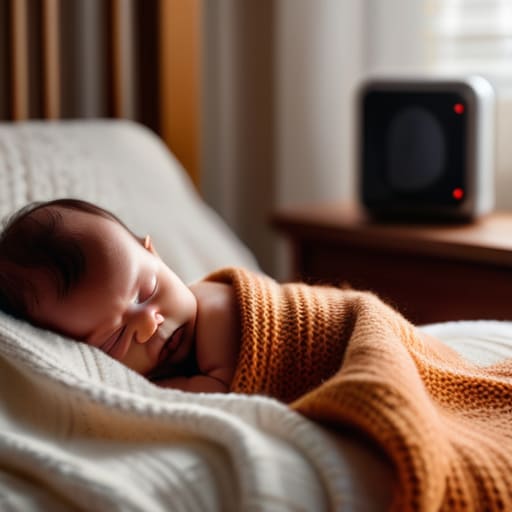
Caring for a Poorly Baby Through the Night
There is a specific kind of panic that sets in when you’re staring at a feverish, whimpering six-month-old and the only thing you can find is a glossy, brightly coloured pamphlet that tells you to “monitor for changes in activity levels.” That is useless advice. When you are actually trying to figure out how to care for a sick baby at home, you don’t need clinical euphemisms; you need to know if that lethargy is a normal reaction to a virus or a reason to sprint to the A&E. I spent eleven years on a paediatric ward hearing parents ask the same questions, and I’ve spent the last few years asking them myself while my own kids were turning my living room into a makeshift infirmary.
I am not going to give you a list of expensive gadgets or “must-have” soothing kits that promise a miracle cure. Instead, I’m going to give you the unvarnished truth—the gap between what the medical textbooks say and what actually works when you’re exhausted and desperate. I’ll tell you which symptoms are genuine red flags and which ones are just part of the messy, sleep-deprived reality of parenting. This isn’t about being a perfect clinician; it’s about knowing when to trust your gut and when to finally call the doctor.
Table of Contents
- The Manual vs the Midnight Reality How to Care for a Sick Baby at Home
- Monitoring Baby Temperature Without Losing Your Mind
- Infant Fever Management When the Thermometer Lies to You
- Signs of Dehydration in Babies That Actually Matter
- Infant Hydration Tips for When They Refuse the Bottle
- When to Call the Pediatrician vs When to Sleep
- Five Things the Nursing Manual Forgets to Mention
- The 2:00 AM Survival Checklist
- The Long Night Ahead
The Manual vs the Midnight Reality How to Care for a Sick Baby at Home

The clinical handbook is a lovely, orderly thing. It tells you that infant fever management is a matter of precise temperature readings and scheduled paracetamol. It suggests you sit calmly, observe the breathing patterns, and maintain a log. But the handbook doesn’t account for the fact that when your ten-month-old is teething and fighting a virus simultaneously, the thermometer becomes a weapon of war, and the “calm observation” feels more like a slow descent into madness.
In the ward, we had monitors and trained staff. At home, you have a dim bedside lamp and a mounting sense of dread. You’ll find yourself obsessively monitoring baby temperature every twenty minutes, convinced that a half-degree jump is a catastrophe, when in reality, the fever is just the body doing its job. The real struggle isn’t the number on the digital display; it’s the exhaustion of trying to implement baby soothing techniques when you haven’t slept more than ninety minutes at a time for three days straight. There is a massive gap between what the medical literature prescribes and the messy, tear-streaked reality of a midnight vigil.
Monitoring Baby Temperature Without Losing Your Mind

The clinical manual will tell you that a fever is a physiological response, a tool the body uses to fight infection, and that you should be meticulous about monitoring baby temperature every few hours. In a hospital ward, we had digital charts and precise protocols. At home, with a thermometer in one hand and a squirming, sweaty toddler in the other, that precision feels impossible. I remember with my second, when he was about ten months old, I spent three hours straight checking his forehead every fifteen minutes. I wasn’t actually helping him; I was just making myself more exhausted.
The truth is, the number on the thermometer matters far less than how your baby is actually behaving. You can have a high reading on paper, but if they are playing, drinking, and meeting their milestones, you usually have time to breathe. The real red flags aren’t just the digits; you need to look for signs of dehydration in babies, such as fewer wet nappies or a dry mouth. If they are lethargic or simply “not themselves,” that is your cue to stop obsessing over the thermometer and start thinking about when to call the pediatrician.
Infant Fever Management When the Thermometer Lies to You

Here is the reality of infant fever management: the number on the screen is often less important than the human being in front of you. I remember with my second, a boy who was nearly ten months old, hitting 38.5°C on the thermometer. By the book, that’s a milestone for medication; in reality, he was actually playing with a wooden spoon and seemed perfectly fine. Conversely, my third child once had a temperature that barely moved, yet he was lethargic and inconsolable, which told me more than any digital reading ever could. Don’t get so caught up in the digits that you miss the child.
The real danger isn’t usually the heat itself, but how it affects their ability to keep going. This is where you need to watch for signs of dehydration in babies, like fewer wet nappies or a dry mouth. If they aren’t taking fluids, the fever becomes a much bigger problem. When I was nursing, we focused on clinical stability; at home, I focus on infant hydration tips like offering small, frequent sips of milk or water rather than forcing a large bottle. If they are drinking and playing, you can usually breathe. If they stop responding to you, that is your signal for when to call the pediatrician.
Signs of Dehydration in Babies That Actually Matter
When I was on the ward, we had a checklist for dehydration that looked very clinical. But when you’re at home, you aren’t looking at a chart; you’re looking at a tiny, exhausted human who isn’t doing what they usually do. The first thing I learned—usually after my second child, who was about ten months old—is that you have to watch the output. If the nappies have slowed down significantly, that is your primary metric. If you’re seeing fewer than four or five wet nappies in a twenty-four-hour period, the textbook says you need to take action. It’s not about being perfect; it’s about noticing the change in the pattern.
Beyond the nappies, keep an eye on their physical state. A baby who is lethargic or unusually difficult to wake is a different kind of problem than a baby who is just fussy. I remember my third, who was barely a year old, becoming so limp and quiet during a bout of fever that my “nurse brain” kicked in immediately. You’re looking for a dry mouth or a sunken soft spot on the head. If you see these signs of dehydration in babies, stop trying to troubleshoot with more baby soothing techniques and start asking when to call the pediatrician. At that point, it’s no longer about comfort; it’s about clinical intervention.
Infant Hydration Tips for When They Refuse the Bottle
When the fever hits, the first thing that happens is the appetite vanishes. I remember with my second, a boy who was about four months old, he wouldn’t have touched a bottle for six hours straight. The medical textbooks will tell you to keep offering feeds frequently, but they don’t mention the sheer, bone-deep exhaustion of watching a tiny human reject the one thing they need. If they are refusing the bottle or breast, stop trying to force a “full meal.” Instead, think in micro-doses. A teaspoon of milk every ten minutes is often more successful than trying to settle them for a twenty-minute feed that they’ll just fight you on.
It’s a delicate balancing act between infant fever management and keeping them hydrated. If they are truly refusing, you might try different temperatures—some babies crave a warmer feed when they’re poorly, while others want something slightly cooler to soothe a hot throat. However, you have to stay vigilant about the signs of dehydration in babies, like fewer wet nappies or a dry mouth. If they aren’t even taking small sips, that is exactly when to call the pediatrician rather than waiting for morning.
When to Call the Pediatrician vs When to Sleep
This is the hardest part of the job, isn’t it? Deciding whether you’re being a “vigilant parent” or just a sleep-deprived one. In the ward, we had monitors and blood gas analyses to give us the data. At home, you just have your gut and a very dim bedside lamp. The clinical rule of thumb is to look for “red flags”: lethargy that isn’t just sleepiness, a high-pitched, inconsolable cry, or a rash that doesn’t fade under a glass. If they are hitting those marks, stop reading this and pick up the phone. That is when to call the pediatrician, no questions asked.
However, if the baby is still reacting to you—if they’ll take a few sips of milk or settle for a moment when you use your usual baby soothing techniques—you often have more time than you think. I remember my second, when he was ten months old, running a fever that felt like a furnace. I spent three hours panicking, only to realize he was still hydrated and alert. If you’ve checked their breathing and their wet nappies, and they aren’t showing those scary signs of dehydration, it is okay to go to sleep. You are a much better caregiver when you aren’t operating on pure adrenaline and terror.
Five Things the Nursing Manual Forgets to Mention
- Trust the “Vibe Check” over the number on the screen. I’ve seen babies with a 39°C fever playing happily with a wooden spoon at eighteen months, and I’ve seen babies with a 37.5°C temp who just look… wrong. If the thermometer says they’re fine but their eyes look glassy and they aren’t engaging with you, trust your gut. The number is just data; the way they are actually behaving is the real clinical picture.
- Forget the “scheduled” feeding when they’re unwell. The textbooks love a routine, but when my second child had a stomach bug at four months old, the idea of a strict feeding window was a joke. If they want to nurse or take a bottle every forty minutes for three hours, let them. Small, frequent amounts are much easier on a tiny, nauseous tummy than trying to force a full feed that ends in a projectile mess.
- The “Wet Diaper” metric is your most honest friend. When you’re exhausted and can’t remember if they’ve had enough fluids, stop looking at the clock and start looking at the nappies. If they haven’t had a heavy, wet diaper in six to eight hours, that’s when you stop worrying about the fever and start worrying about hydration. It’s a blunt tool, but it’s the most reliable one you have at 3:00 AM.
- Don’t overcomplicate the “comfort” kit. You don’t need fancy electrolyte solutions or specialized fever-reducing sprays. Usually, it’s just a lukewarm washcloth, a slightly more clingy version of yourself, and perhaps a bit of extra skin-to-skin contact. When my eldest was teething and sick simultaneously at ten months, the only thing that actually lowered his heart rate wasn’t medicine—it was being held in a dark, quiet room.
- Prepare for the “False Recovery.” This is the one that catches you out. A baby might seem to rally for an hour after a dose of paracetamol, making you think the worst is over, only to crash again when the medicine wears off. Don’t let that hour of calm trick you into thinking you can go to bed early. Stay in the “observation phase” for a bit longer; the second wave is usually when you’ll actually need to make a decision about calling the doctor.
The 2:00 AM Survival Checklist
Trust your gut over the thermometer; a number on a screen matters far less than whether your baby is acting like themselves, staying hydrated, and responding to you when they’re awake.
Focus on comfort, not perfection; if they won’t take a full bottle or a spoonful of electrolytes, don’t panic—small, frequent sips are often more realistic when a child is miserable.
Know your “red lines” before the crisis hits; decide now what symptoms (like labored breathing or a complete lack of wet nappies) mean an immediate call to the doctor, so you aren’t debating it while exhausted and terrified.
The Long Night Ahead
If you’ve reached the end of this, you’re likely sitting in a dimly lit room, perhaps with a lukewarm cup of tea and a baby who refuses to settle. We’ve covered the essentials: watching for the real signs of dehydration, knowing when a fever is just a number versus a genuine concern, and the messy reality of trying to hydrate a sick child who has decided that milk is suddenly the enemy. Remember, the medical textbooks are great for the theory of recovery, but they don’t account for the sheer exhaustion of the fourth night in a row. Trust your gut on the hydration and the breathing, but try not to let the thermometer dictate your entire sense of self-worth.
I remember my second child, who was about seven months old, spent three days fighting a nasty virus that felt like it would never end. I spent those nights feeling like I was failing every clinical metric I’d ever learned in nursing school. But looking back, the most important thing I provided wasn’t a perfect clinical intervention; it was just being there. You are doing a hard, exhausting, and vital job. When the sun finally comes up and the fever finally breaks, please remember that you are enough, even on the nights when you feel like you’re barely holding it together.