Long Journeys With a Toddler, Realistically
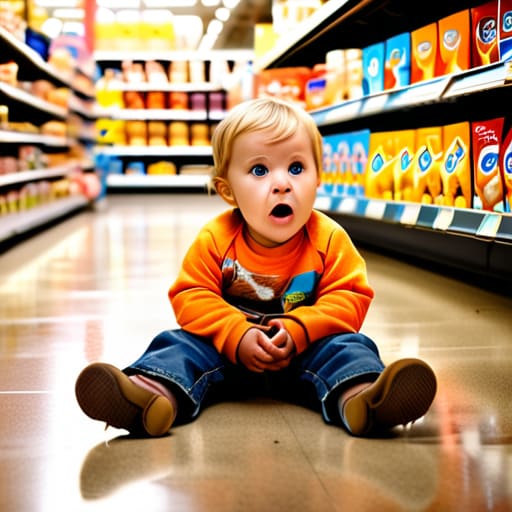
I once spent forty-five minutes in a terminal lounge, sitting on a cold linoleum floor, trying to explain to a two-year-old why he couldn’t eat a handful of loose airport pretzels while simultaneously bracing for the inevitable meltdown because his favorite blue car was currently in a checked suitcase. If you’ve ever felt that specific, hollow sense of defeat, you know that the glossy brochures and “expert” blogs about how to travel with a toddler are essentially works of fiction. They talk about seamless transitions and curated sensory experiences, but they never mention the sheer, grinding exhaustion of trying to maintain a nap schedule when you’re trapped in a pressurized metal tube at thirty thousand feet.
I’m not here to sell you on a lifestyle of effortless wanderlust. Instead, I’m going to give you the messy, unvarnished truth of what actually works when you are tired, outnumbered, and operating on four hours of broken sleep. I’ll tell you which expensive gadgets are just expensive landfill and which small, low-tech hacks saved my sanity when my second child turned two. We aren’t aiming for perfection here; we are aiming for survival and a bit of joy amidst the chaos.
Table of Contents
- The Theory of How to Travel With a Toddler vs Reality
- The Toddler Travel Essentials Checklist That Actually Works
- Flying With a Toddler Tips for When Things Go Wrong
- Best Toddler Travel Gear Versus the Heavy Useless Stuff
- Managing Toddler Tantrums During Travel Without Losing Your Mind
- Packing for Toddlers for Long Trips and Road Trip Snacks
- Five survival rules I learned the hard way
- The Hard Truths to Carry in Your Carry-on
- The View from the Other Side of the Chaos
The Theory of How to Travel With a Toddler vs Reality
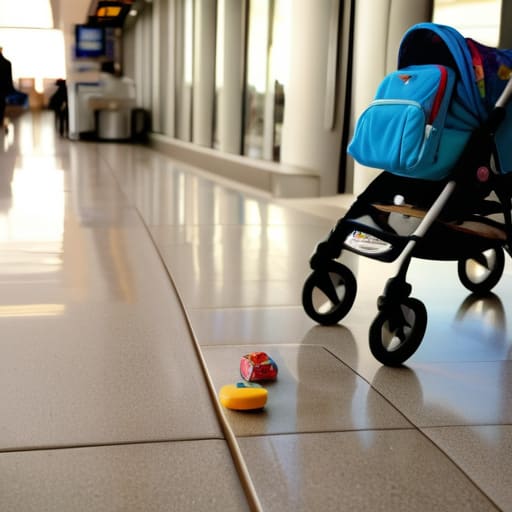
The textbooks and those glossy “travel with ease” blogs will tell you that success lies in your toddler travel essentials checklist. They suggest a seamless transition from the nursery to the departure lounge, provided you have the right lightweight stroller and a perfectly curated selection of quiet toys. They speak about “routines” as if a two-year-old understands the concept of a scheduled departure time or the existential dread of a delayed flight. In theory, if you pack the right gear and stick to the schedule, the transition should be clinical and controlled.
In reality, travel is a series of high-stakes negotiations with a tiny human who has suddenly lost all sense of logic. You can have the best toddler travel gear in the world, but it won’t stop a meltdown when the plane’s air pressure changes or the car hits a pothole. I remember my second, when we were attempting a six-hour drive; I had prepared every possible toddler road trip snack to avoid hunger-induced rage, only to find that at hour three, he decided he only wanted to eat things that were blue. The theory says “distraction”; the reality is often just surviving the next twenty minutes.
The Toddler Travel Essentials Checklist That Actually Works
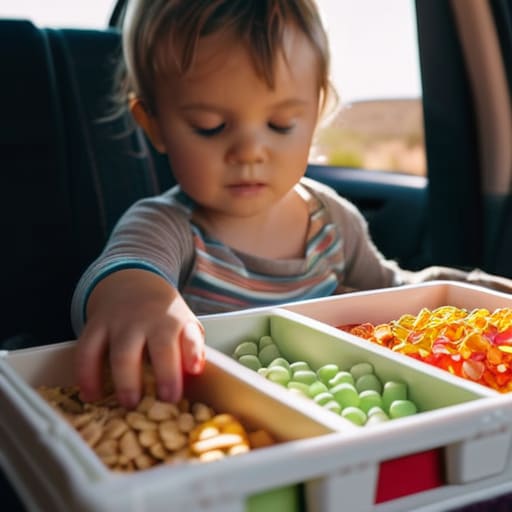
If you look at any generic toddler travel essentials checklist online, you’ll see a long list of high-tech gadgets and expensive sensory toys. My second child, Leo, was three when I realized that most of that gear is just expensive clutter that takes up precious suitcase space. What you actually need are the “low-tech” anchors. I’m talking about the specific, slightly battered soft toy that only sleeps in a certain way, and a massive supply of toddler road trip snacks that aren’t just sugar-bombs. You need things that take time to consume—think those tiny, individual packets of raisins or those tricky little snack boxes that require fine motor skills. If they are focused on picking out a single Cheerio, they aren’t currently trying to kick the back of your seat.
When it comes to packing for toddlers for long trips, the golden rule I learned after four kids is to pack for the “worst-case version” of your child. Don’t pack for the sunny, cooperative toddler you saw in the park yesterday; pack for the one who is teething, overtired, and currently convinced that putting on shoes is a personal insult. Always bring a full change of clothes for both of you—because nothing kills a travel mood faster than a parent sitting in a damp shirt for a four-hour drive.
Flying With a Toddler Tips for When Things Go Wrong
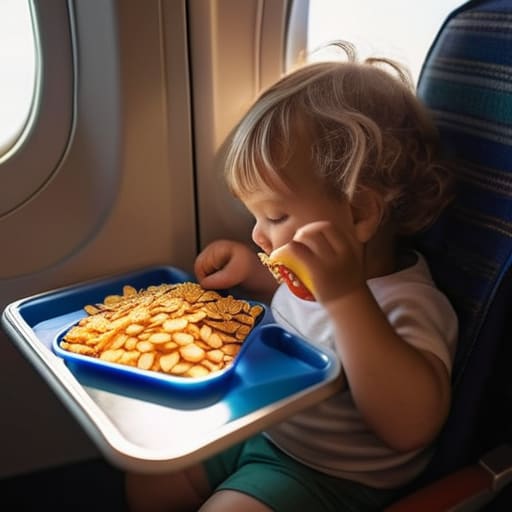
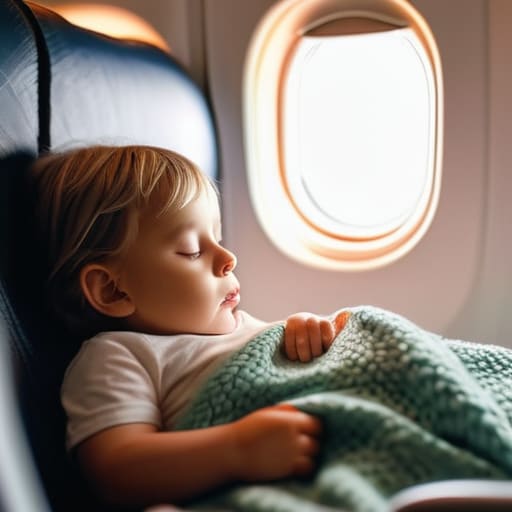
When the cabin pressure changes and the crying starts, all the meticulously curated toddler travel essentials checklist items in the world won’t stop the meltdown. The textbooks say to “distract them with a novel activity,” but when you’re thirty thousand feet up, a new coloring book is often met with the same level of interest as a piece of damp toast. My second child, who was about two at the time, decided that the sheer concept of an airplane was a personal affront. What actually worked wasn’t a planned activity, but a sudden, desperate deployment of high-value snacks—the kind you usually save for emergencies—and a complete surrender to the fact that you are going to be that parent for the next hour.
If you find yourself managing toddler tantrums during travel in a pressurized metal tube, remember that the goal isn’t silence; it’s containment and survival. Don’t aim for a peaceful flight; aim for a flight where everyone remains relatively hydrated and nobody is banned from the airline. Sometimes, the best “tip” is simply acknowledging that the plan has failed and pivoting to whatever keeps the peace for the next ten minutes.
Best Toddler Travel Gear Versus the Heavy Useless Stuff
When I was working on the ward, I saw parents arrive with enough gear to outfit a small expedition, looking like they were preparing for a trek across the Andes rather than a three-hour flight. We all do it. We see a shiny, multi-functional travel system in a shop window and think, this is the thing that will save my sanity. But after four kids, I’ve learned that the best toddler travel gear is almost always the stuff that weighs less than a bag of flour. If it doesn’t fold down to the size of a laptop or fit into a backpack you can actually wear, it’s just extra weight you’ll be cursing at a terminal gate.
The heavy hitters—the massive, bulky strollers that require two hands and a prayer to collapse—are usually the first things to fail you. Instead, focus on the small, tactical wins. My second child, who was about two at the time, lived entirely out of a single, well-organized diaper bag that stayed strapped to my back. When packing for toddlers for long trips, remember that your mobility is your greatest asset. If you can’t move quickly when a meltdown starts, the gear isn’t helping you; it’s just an obstacle.
Managing Toddler Tantrums During Travel Without Losing Your Mind
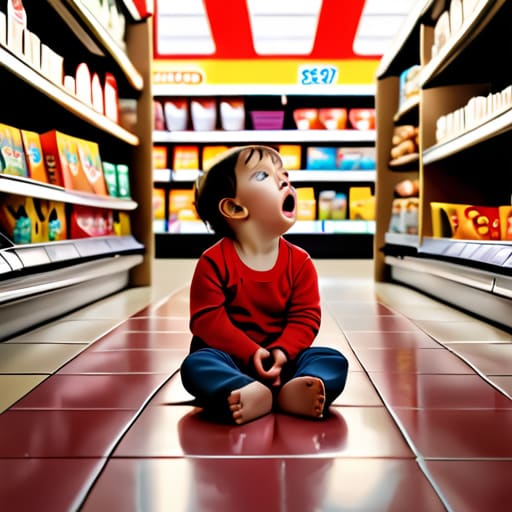
When you’re in the thick of it—maybe it’s a cramped rental car or a middle seat on a long-haul flight—the textbook advice for managing toddler tantrums during travel usually suggests “redirection” or “offering choices.” That sounds lovely in a quiet living room, but it’s a different beast when you’re surrounded by staring strangers. I remember when my second was two; we were halfway through a motorway stretch when the “I want to go home” meltdown hit. It wasn’t a choice issue; it was a sensory overload issue. At that age, they don’t have the cognitive hardware to process a change in environment, and their only way of saying “I’m overwhelmed” is to scream until their face turns purple.
My rule of thumb is this: stop trying to “fix” the tantrum and start managing the environment. If you’re packing for toddlers for long trips, don’t just pack toys; pack novelty. A sticker book they’ve never seen or a single, new, cheap car toy can buy you ten minutes of peace when the meltdown starts brewing. Sometimes, the best thing you can do is lean into the chaos, accept that you’re going to be “that parent” for a moment, and focus on getting through the next ten minutes rather than the next ten hours.
Packing for Toddlers for Long Trips and Road Trip Snacks
When it comes to packing for toddlers for long trips, the clinical advice is to pack “age-appropriate enrichment activities.” In a nursing textbook, that sounds lovely. In a car stuck in motorway traffic for three hours, it sounds like a lie. My second child, who was two at the time, didn’t want a sophisticated wooden puzzle; he wanted a single, lukewarm piece of toast and a sticker that he could peel off and stick to my forehead. The secret isn’t a suitcase full of toys; it’s a series of small, novel wins. Think suction-cup spinners for plane windows or those tiny, mess-free coloring books. If you bring the “big” toys, they’ll be forgotten by the time you hit the M25.
Then there is the food. If you are looking for toddler road trip snacks, ignore the nutritional labels for a moment and focus on the logistics of survival. You need foods that don’t crumble into a thousand choking hazards and, crucially, foods that don’t require a spoon. I’ve learned—usually through trial and error at 4:00 PM when everyone is hangry—that contained snacks are king. Think blueberries (cut lengthwise, please), cheese sticks, or dry cereal in a spill-proof cup. If it requires a napkin, it’s probably going to end up on your upholstery.
Five survival rules I learned the hard way
- The “New Toy” strategy only works once. I learned this with my second child, who was eighteen months old; I bought three different sensory toys for a six-hour train ride, and by hour two, they were all being used as projectiles or left under a seat. Instead, bring things they haven’t seen in a week—the old, slightly battered book or the sticker set that’s been buried in the toy box. Novelty is a finite resource, so don’t spend it all in the first twenty minutes.
- Abandon the “perfect schedule” myth. The nursing textbooks will tell you that maintaining a consistent sleep-wake cycle is vital for regulation, and they aren’t wrong, but they haven’t met a toddler in a car seat. When you’re mid-transit, aim for “close enough.” If they nap for twenty minutes on a plane instead of their usual two hours at home, don’t panic and don’t try to force the “correct” timing. You can’t fight the environment, so stop trying to win that battle.
- Pack a “disaster kit” that stays within arm’s reach, not in the overhead locker. I’m talking about the stuff that makes a meltdown transition from “loud” to “catastrophic.” A spare change of clothes for the toddler (and yes, one for you, because spills happen when you’re stressed), wet wipes that aren’t just for hands, and those high-protein snacks that don’t turn into a sticky mess. When my eldest was three, I learned that a hungry toddler in a cramped seat is a much bigger problem than a bored one.
- Accept that “the plan” will fail by 10:00 AM. Whether it’s a delayed flight or a sudden bout of teething, something will go sideways. I used to go into trips with a rigid itinerary, thinking I could control the chaos. Now, I build in “buffer time”—empty slots in the day where nothing is scheduled. If the toddler has a meltdown in a terminal, you don’t have a meeting to get to or a dinner reservation to rush toward. You just sit, you breathe, and you wait for the storm to pass.
- Watch the “hangry” threshold like a hawk. In the ward, we knew that low blood sugar makes everything harder to manage; with a two-year-old, it’s a recipe for a total system collapse. Don’t wait for them to tell you they are hungry—they won’t, they’ll just start screaming. Feed them small amounts of something substantial every ninety minutes. I’ve found that even if they aren’t eating a full meal, having a constant rotation of “safe” snacks keeps the mood from bottoming out entirely.
The Hard Truths to Carry in Your Carry-on
Forget the “perfect itinerary” the travel blogs promise you; your only real goal is to manage the transition between states, whether that’s from car to plane or from awake to asleep, and to accept that a ruined schedule is a much smaller price to pay than a ruined mood.
Pack for the child they are at 3:00 AM when they are teething or overtired, not the child they were in your glossy holiday brochures, because a spare change of clothes for you is often just as vital as a spare for them when the inevitable spill or meltdown happens.
Trust your clinical gut over the guidebook—if a situation feels like it’s escalating toward a full-blown meltdown, pivot immediately to a low-stakes distraction or a quiet corner rather than trying to “enforce the rules” in the middle of a crowded terminal.
The View from the Other Side of the Chaos
If you’ve taken anything from this, let it be this: your gear list and your snack strategy are just scaffolding. They might keep the structure from collapsing entirely, but they won’t stop the wind from blowing. You can pack the “essential” sensory toys and the perfect amount of non-perishable snacks, but when you’re standing in a crowded terminal and your two-year-old decides that putting on shoes is a personal affront to their dignity, the checklist fails you. The reality of traveling with a toddler is a constant, messy negotiation between what you planned and what is actually happening. Focus on the high-impact stuff—the distraction tools, the easy-access wipes, and the heavy-duty patience—but accept that the plan will almost certainly go out the window by the time you reach the gate.
I remember my first proper trip with my eldest when he was eighteen months old; I had everything mapped out like a military operation, only to spend four hours sitting on a cold airport floor because a nap went sideways. I felt like a complete failure. But looking back, those moments of chaos aren’t the things that define the trip; they are just the price of admission. You aren’t a bad parent because the flight was loud or the car ride was long. You are just a parent in the trenches. Give yourself permission to fail at the logistics so you can actually find the joy in the destination. Eventually, the tantrums subside, the luggage gets unpacked, and you’ll realize that the chaos was just part of the story.