
Letting a Toddler Do It Slowly and Badly
I once spent twenty minutes in a paediatric ward reading a glossy brochure that suggested “scaffolding independence” was a seamless, beautiful journey of developmental milestones. It made it sound like you just set the stage, provide the tools, and watch your child blossom into a self-sufficient human being. Then I went home to my own house, where I spent forty-five minutes on a Tuesday morning trying to figure out how to encourage self care skills in a three-year-old who decided that putting on socks was a form of psychological warfare. The truth is, the textbooks rarely mention the sheer, unadulterated mess of it all—the spilled cereal, the damp trousers, and the overwhelming urge to just do it yourself so you can leave the house on time.
I’m not here to give you a curated list of “milestone markers” that look good on a Pinterest board. Instead, I’m going to tell you what actually works when you’re exhausted and running behind. I’ll give you the clinical reality of what a child can physically manage at different ages, paired with the unfiltered reality of what happens when they simply refuse to cooperate. We’ll look at the specific ages where certain skills actually click, and more importantly, I’ll tell you which battles are worth fighting and which ones you should just let go for the sake of your own sanity.
Table of Contents
- The Textbook Lie Why Guidance Fails at 200 Am
- Scaffolding Self Care Tasks Without Losing Your Mind
- Real World Strategies for How to Encourage Self Care Skills
- Promoting Autonomy in Daily Routines When Resistance Hits
- From Adaptive Equipment to Teaching Hygiene Habits to Children
- Building Confidence Through Independence and Activities of Daily Living Sup
- Five Lessons from the Trenches: When the Manual and Reality Collide
- The Short Version for When You’ve Only Got Two Minutes
- The Long Game
The Textbook Lie Why Guidance Fails at 200 Am
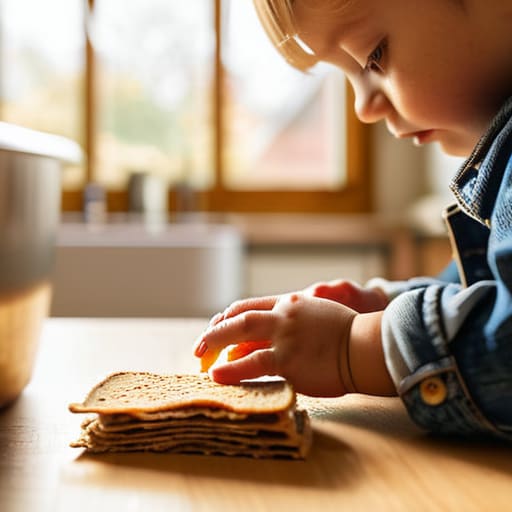
The textbooks make it sound like a linear progression. They’ll tell you that by age three, a child should be able to assist with dressing, or that by five, they are ready for more complex activities of daily living support. On paper, it’s a neat little ladder of milestones. But in my experience—both on the ward and in my own kitchen—that ladder is often covered in grease and missing several rungs.
The “textbook lie” is the implication that progress is steady. It isn’t. You might spend three weeks successfully scaffolding self care tasks, like teaching your four-year-old to brush their teeth without you doing the heavy lifting, only for them to suddenly decide that a toothbrush is a terrifying foreign object. One morning they are an independent little star; the next, they are a sobbing mess who refuses to touch a hairbrush. This isn’t a regression in their development; it’s just the messy reality of a growing brain. The guidance tells you what they can do, but it rarely prepares you for the days when they suddenly won’t.
Scaffolding Self Care Tasks Without Losing Your Mind
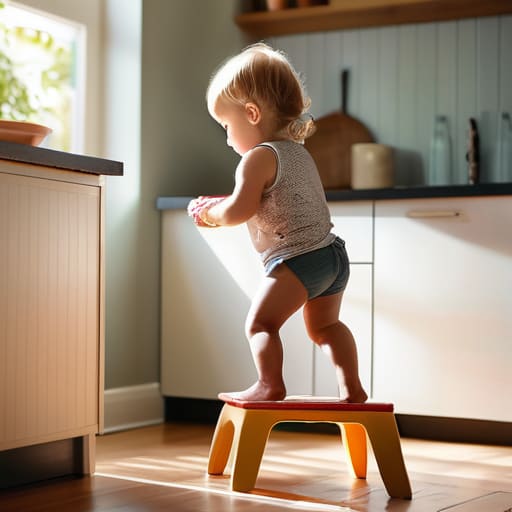
In nursing, we call it “scaffolding,” but in a house with four kids, it feels more like trying to build a bridge while a hurricane is blowing through the kitchen. The idea is simple: you provide just enough structure to keep them from failing, then you slowly pull back the support as they get stronger. When my eldest was three, I tried to do everything for him because it was faster, but I was actually just robbing him of the chance to learn. Now, I focus on promoting autonomy in daily routines by breaking things down into tiny, manageable chunks. Instead of saying “get dressed,” which is a massive, overwhelming concept to a toddler, I’ll offer two choices: the blue shirt or the red one. It’s a small way of building confidence through independence without the whole process devolving into a floor-based wrestling match.
The trick to scaffolding self care tasks effectively is knowing when to step in and when to step back. If you’re teaching hygiene habits to children, like tooth brushing, don’t expect a perfect technique at age four. I used to get frustrated when my second child would just smear toothpaste on his forehead, but that’s part of the process. You provide the “scaffold”—the stool to reach the sink, the timer to keep them going—and then you let them struggle slightly. The goal isn’t perfection on the first try; it’s making sure they feel capable enough to try again tomorrow.
Real World Strategies for How to Encourage Self Care Skills

When I was on the ward, we used the term “activities of daily living support,” which is a very clinical way of saying “helping a person do the stuff they need to do to function.” At home, it’s much messier. If you want to start promoting autonomy in daily routines, you have to accept that the first few months will look less like “independence” and more like “accidental flooding.” For my second child, who was about three, we started with the toothbrush. I stopped doing it for him and started doing it with him—he’d do the vigorous, messy scrubbing, and I’d follow up with the precision work. It took forever, but he stopped fighting the brush because he felt like he was the one in charge.
The trick is to find the middle ground between doing everything and doing nothing. If you’re trying to focus on teaching hygiene habits to children, don’t expect a flawless execution of a multi-step process. Start with one tiny, manageable win. When my eldest was four, we focused solely on putting his own socks on. It didn’t matter if they were inside out or mismatched; the goal was the feeling of success. That’s how you actually build confidence through independence—not by following a perfect checklist, but by letting them fail slightly while you’re still standing close enough to catch them.
Promoting Autonomy in Daily Routines When Resistance Hits
The textbook says that promoting autonomy in daily routines is a developmental milestone, a beautiful step toward independence. But the textbook doesn’t mention the sheer, unadulterated friction of a four-year-old deciding that putting on socks is an act of war. When resistance hits, it’s rarely about the socks; it’s about the fact that they finally realized they are a separate person from you, and they intend to use that power to make your morning run three minutes late.
I learned this the hard way with my second, who decided that teaching hygiene habits to children was a personal affront to his dignity. If you try to force the issue when they are dug in, you aren’t teaching skills; you’re just picking a fight. Instead, I found that shifting the goalposts works better. Don’t aim for “perfectly brushed teeth”; aim for “the toothbrush is in the mouth.” By building confidence through independence in tiny, low-stakes ways, you stop being the drill sergeant and start being the coach. It’s about finding that sweet spot between letting them fail and stepping in before the meltdown becomes a permanent fixture of your Tuesday.
From Adaptive Equipment to Teaching Hygiene Habits to Children
When we talk about teaching hygiene habits to children, the textbooks often treat it like a linear checklist: brush teeth, wash hands, hair combed. But in a house with four kids, hygiene is less of a checklist and more of a tactical negotiation. When my eldest was four, “brushing teeth” meant five minutes of me trying to keep him still while he tried to eat the toothpaste. The trick isn’t just telling them what to do; it’s about the physical environment. Sometimes, that means introducing adaptive equipment for self care—like a stool that actually stays steady or a toothbrush with a grip that doesn’t slip out of a toddler’s sweaty palm. If the tools are frustrating, the child will reject the task every single time.
It’s also about knowing when to step back. I spent years in nursing seeing how much activities of daily living support can actually hinder a child’s sense of agency if we do too much for them. When my second was five, I realized I was doing her hair every single morning just to save ten minutes. I was efficient, but I was also stealing her chance to learn. Now, we do it together—I hold the brush, she guides the movement. It’s slower, and yes, it’s messier, but that’s how you actually build the muscle memory they need.
Building Confidence Through Independence and Activities of Daily Living Sup
The thing about building confidence through independence is that it rarely looks like a triumphant montage in a parenting magazine. In reality, it looks like a four-year-old standing in a puddle of spilled milk, looking at you with wide eyes, wondering if they’ve broken the world. At that moment, they aren’t just learning to wipe a counter; they are deciding whether they are a person who is capable or a person who is a nuisance. My second child, Leo, was a perfectionist. If he couldn’t button his coat exactly like the picture on the box, he’d simply collapse into a heap on the floor. I learned then that true activities of daily living support isn’t about doing the task for them to save time; it’s about staying in the room while they struggle.
You have to accept that progress is a jagged line. You might spend three weeks successfully scaffolding self care tasks like brushing teeth, only for the child to suddenly decide that a toothbrush is a weapon of war. When that happens, don’t see it as a regression. It’s just a phase. I remember when my eldest finally mastered the art of putting on her own shoes—it took until she was five, and it involved a lot of mismatched socks and frustration—but the look of pure, unadulterated pride on her face was worth every frantic morning we spent running late.
Five Lessons from the Trenches: When the Manual and Reality Collide
- Shrink the task until it’s impossible to fail. The textbooks say “teach them to brush their teeth,” but at age three, that’s a mountain. Instead, I taught my eldest to just hold the brush and “paint” their front teeth with the paste. Once they mastered the grip at three, we added the actual scrubbing at four. If the goal is too big, they’ll fight you; if it’s tiny, they’ll actually do it.
- Accept the “Good Enough” threshold. In the ward, we talked about clinical standards, but at home, perfection is the enemy of progress. If your five-year-old manages to pull their trousers up but they’re slightly twisted, let it go. If you fix it every single time, you aren’t teaching them independence; you’re teaching them that they can’t be trusted to do it right.
- Use “Visual Anchors” instead of your voice. By the time a child is four, your voice often becomes nothing more than background noise or a trigger for a power struggle. I started using a simple photo strip of our morning routine—potty, teeth, clothes, shoes—taped to the bathroom mirror. It turned “Go brush your teeth” into “What’s next on the picture?” It takes the conflict out of your hands and puts it on the wall.
- Prepare for the “Regression Hangover.” This is the part the brochures skip: the moment they actually learn a skill, they often stop doing it entirely. My second child finally mastered putting on her own coat at age four, only to suddenly insist that I do it for her for three weeks straight. It’s not a failure of your teaching; it’s just a developmental hiccup. Don’t scrap the progress; just ride out the wave.
- Choose your battles based on the clock. There is a massive difference between teaching a child to dress themselves at 10:00 AM on a Saturday and trying to teach it at 8:15 AM on a Tuesday when you’re already late for nursery. If you’re in a rush, do it for them. Save the “learning moments” for when you actually have the emotional bandwidth to handle the inevitable meltdown that comes with a child trying to do something new.
The Short Version for When You’ve Only Got Two Minutes
Forget the “perfect” timeline in the manuals; self-care is a messy, non-linear process that looks different for a three-year-old than it does for a seven-year-old, and most of the progress happens in the tiny, unglamorous gaps between the meltdowns.
Scaffolding isn’t about doing the task for them, but it isn’t about letting them struggle until they cry either—it’s about finding that middle ground where you hold the toothbrush while they hold the handle, adjusting as they get stronger.
Your goal isn’t to produce a child who can perform every task flawlessly by a certain age, but to build a child who feels capable enough to try, even if they still need you to check their work or help them find their socks when they’re running late.
The Long Game
If you take anything away from this, let it be that self-care isn’t a checklist you tick off once a child reaches a certain milestone; it is a messy, repetitive, and often frustrating process of trial and error. We’ve talked about scaffolding tasks, using the right tools, and navigating that fierce resistance that hits when a toddler decides they suddenly hate being brushed. But the reality is that you will likely fail at some of these strategies. You’ll end up doing the task yourself just to get out the door on time, or you’ll realize the “independent” routine you spent weeks building collapsed the moment they caught a cold. That doesn’t mean you’ve failed; it just means you’re navigating the gap between the textbook and the living room floor.
When you’re exhausted and it feels like you’re just fighting a losing battle against toothbrushes and socks, try to remember why we do this. We aren’t just teaching them to wash their hands; we are teaching them that they are capable, competent human beings. It took my eldest about four years of constant back-and-forth before the morning routine stopped feeling like a wrestling match, and even now, there are glitches. Give yourself the same grace you give them. The goal isn’t perfection or a pristine schedule; it’s the slow, quiet building of their confidence. You’re doing better than you think, even on the days when nothing seems to be working.