Search for:
How to talk about money with children.
Teaching Money Before They Have Any

I remember sitting on the kitchen floor when my second was four years old, staring at a crumpled five-pound note and a meltdown of epic proportions because I’d said “no” to a specific brand of dinosaur nuggets. The parenting blogs would have told me to sit him down for a structured lesson on value and scarcity, but at four, he didn’t care about inflation or opportunity cost; he just wanted the dinosaur. We spend so much time overcomplicating how to talk about money with children, treating it like some high-level seminar we need to prepare for, when in reality, most of these conversations happen in the messy, loud, and often frustrating gaps between the grocery aisle and the checkout counter.

I’m not going to give you a curriculum or a set of lofty ideals that only work when everyone is calm and well-rested. Instead, I want to talk about what actually works when you’re tired and the kids are being difficult. I’ll share the specific ages when certain concepts finally start to stick, the mistakes I made when I tried to be too “educational,” and how to navigate the awkwardness of real-world math. This isn’t about teaching them to be hedge fund managers; it’s about giving them the tools to survive the real world without the panic I see so often.

Table of Contents

The Textbook Lies Why Teaching Kids Financial Literacy Feels Impossible

The Textbook Lies Why Teaching Kids Financial Literacy Feels Impossible

The textbooks make it sound so clinical, don’t they? They suggest you sit them down for a calm, scheduled discussion about fiscal responsibility, as if you’re conducting a board meeting rather than trying to manage a household. They talk about teaching kids financial literacy as if it’s a linear process of adding information, like teaching them their ABCs. But they don’t account for the reality of a four-year-old who has just decided that the only way to express his joy is by throwing a tantrum in the middle of the supermarket aisle because he wants a box of brightly coloured cereal that costs more than my morning coffee.

When I was nursing, I saw how much “the plan” falls apart when things get messy. It’s the same here. You can read all the guides on teaching kids the difference between wants and needs, but that theory hits a brick wall when your six-year-old is weeping because they need that specific Lego set to survive the weekend. There is no manual for the exhaustion of trying to explain inflation or savings accounts while you’re simultaneously negotiating how many bites of broccoli constitute a “balanced meal.” It’s not about the perfect lesson; it’s about surviving the attempt.

Real World Lessons How to Talk About Money With Children

Real World Lessons How to Talk About Money With Children

When I was working the wards, I saw parents try to shield their kids from everything—illness, fear, and yes, the reality of what things cost. But you can’t shield them from the world forever. The trick isn’t to deliver a lecture; it’s about catching the small, messy moments. When my eldest was four, we didn’t sit down with a spreadsheet. Instead, we practiced teaching kids the difference between wants and needs at the supermarket. If they wanted a specific box of sugary cereal, we didn’t just say “no”; we looked at the budget and explained that the money spent on that box meant we couldn’t get the fruit they liked for lunch. It wasn’t a smooth lesson, and there were definitely some tears in Aisle 4, but it was real.

As they get older, the lessons shift from “we can’t afford that” to the mechanics of how things actually work. By the time my middle two were seven, we moved toward age-appropriate money lessons using actual coins. I found that letting them hold a physical five-pound note made the concept of “value” much more concrete than any app ever could. You’ll fail at this—you’ll forget to explain why a sale is actually a bad deal, or you’ll cave because you’re too tired to argue—but that’s part of the process.

Beyond the Piggy Bank Age Appropriate Money Lessons That Actually Stick

Beyond the Piggy Bank Age Appropriate Money Lessons That Actually Stick

When I was working the wards, I learned that you don’t treat a wound by shouting instructions from the hallway; you get down to their level. Money is the same. You can’t dump the concept of compound interest on a six-year-old, and you shouldn’t try. For the little ones, financial education for toddlers isn’t about math; it’s about the physical reality of exchange. My second child, when he was about three, finally grasped the concept when I stopped using “no” and started using “not today, we need this for the bread.” It’s about the tangible trade-off.

As they hit school age—around six or seven for my eldest—the lessons need to shift toward teaching kids the difference between wants and needs. This is where the textbook advice usually fails, because telling a seven-year-old they “can’t have that Lego set because we are budgeting” sounds like a punishment. Instead, I found success by making it a choice. We’d look at the shelf, look at the jar, and I’d say, “If we get this today, the cinema trip next month might have to wait.” It’s not about restriction; it’s about the weight of a decision.

The Grocery Store Meltdown Teaching Kids the Difference Between Wants and N

The grocery store is where the theory of financial education for toddlers goes to die. You can read all the books you want about teaching kids the difference between wants and needs, but those books don’t account for the bright, crinkly packaging of a brand-name cereal or the sheer, unadulterated necessity of a chocolate bar when you’re three aisles deep and exhausted. I remember trying to explain “budgeting” to my eldest when he was four; he didn’t care about the household grocery list, he just wanted the dinosaur-shaped crackers. He didn’t see a choice; he saw a crisis.

When the meltdown starts in aisle four, the textbook advice is to stay calm and reinforce the lesson. In reality, you’re usually just trying to navigate a crying child while wondering if you have enough milk for breakfast. My trick, which I started using when my second was about five, is to involve them in the actual decision-making. Instead of a lecture, I’ll ask, “We have enough for the apples and the pasta, but do we want the fancy yogurt or the extra pack of juice?” It’s a small, imperfect way of teaching children about budgeting that gives them a sense of agency without requiring them to understand the complexities of inflation or net income.

Financial Education for Toddlers Surviving the Chaos of Early Learning

When I was working on the paediatric ward, I saw plenty of parents trying to “teach” their toddlers something complex while the child was mid-tantrum over a broken biscuit. It never worked. When we talk about financial education for toddlers, we aren’t talking about spreadsheets or even the concept of interest rates. At two or three years old, their brains aren’t wired for the abstract. They live entirely in the now. If they see a shiny toy, they want it, and they want it before you’ve even finished scanning your first loaf of bread.

The goal here isn’t mastery; it’s just exposure. I started trying some age-appropriate money lessons with my second, who was about three, by simply narrating my actions. Instead of a lecture, I’d just say, “I’m using my card to pay for these apples so we can take them home.” It sounds ridiculously simple, perhaps even patronizing, but you’re building the linguistic scaffolding they’ll need later. You aren’t teaching them to balance a checkbook; you’re just showing them that things don’t simply appear by magic when you point at them.

Practical Parenting Tips for Money Management When Everything Goes Wrong

When the wheels come off—and they will, usually when you’re tired and standing in a checkout queue—the goal isn’t to deliver a lecture on macroeconomics. It’s about damage control. My second child, who was four at the time, decided that a giant, neon-colored dinosaur was a “need,” not a “want.” I didn’t pull out a spreadsheet. Instead, I used the low-stakes redirection method. I acknowledged the dinosaur was cool, but I explained that our “store budget” for the week was already spent on the bread and milk in the basket. It’s a blunt way to handle teaching kids the difference between wants and needs, but at four years old, they can grasp the concept of “full” versus “empty” much better than they can grasp “opportunity cost.”

If you find yourself in a meltdown scenario, remember that these moments are actually the most effective part of teaching kids financial literacy. You aren’t failing because they’re crying; you’re succeeding because you’re showing them that boundaries exist even when things are difficult. When the tantrum finally subsides, don’t feel like you have to make up for it by buying the toy later. That just teaches them that noise equals profit. Just hold the line, wait for the storm to pass, and try again tomorrow.

Five Rules of Thumb for When the Money Talk Hits the Fan

  • Stop waiting for the “perfect moment.” The textbooks suggest waiting until they are old enough to grasp compound interest, but I learned with my second—who was four—that if you don’t start talking about why we can’t buy the shiny dinosaur at the checkout now, you’re just teaching them that “no” is a magical word used to punish them, rather than a logical consequence of a budget.
  • Use the “Two-Week Rule” for big wants. When they are about seven or eight and start begging for that specific Lego set, don’t just say no or yes; tell them we’re putting it on the ‘Wait and See’ list for two weeks. It teaches them the difference between a dopamine hit and a genuine desire, and more importantly, it gives you two weeks of peace from the constant badgering.
  • Be honest about the “Why,” not just the “No.” When I was nursing, I saw how much anxiety children pick up from their parents’ hushed, stressed tones. If you can’t afford something, don’t make it a mystery or a source of shame; tell them, “We have enough money for our house and food, but we don’t have extra for this toy right now.” It turns a scary unknown into a manageable boundary.
  • Let them fail small, and let them fail early. I used to think I was being a good dad by “saving” my eldest from the disappointment of spending all his pocket money on a cheap plastic gadget that broke in ten minutes. I was wrong. He needed to feel that sting of a wasted five pounds at age six so he wouldn’t do it with a credit card at twenty-six.
  • Show the math, even if it’s messy. You don’t need a spreadsheet, but when my kids were around nine, I started letting them see the grocery receipt. Not to stress them out, but to show that bread costs X and milk costs Y. It moves money from being a vague, invisible force that lives in a plastic card to a concrete resource that requires choices.

The Bottom Line (When You’re Too Tired to Read the Manual)

Forget the perfect curriculum; kids learn more from watching you handle a broken washing machine or a grocery store price hike than they ever will from a lecture. At age five, they don’t need a lesson on compound interest, but they do need to see that money is a finite resource that requires choices.

Expect the “failure modes”—the tantrums, the tears, and the moments where you just want to buy the toy to make them stop screaming. Teaching money management isn’t a linear progression; it’s a series of messy, repetitive conversations that usually happen at the least convenient times.

Prioritise the relationship over the lesson. If a conversation about “wants versus needs” is turning into a meltdown that ruins your entire afternoon, drop it. You can try again when they’re six, or seven, or ten, but you can’t undo the feeling that a lesson was a battleground instead of a learning moment.

The Long Game (And the Short Nights)

If you’re feeling like you’ve failed because your four-year-old just demanded a chocolate bar in the middle of the cereal aisle, take a breath. We’ve covered the gap between the clinical “financial literacy” textbooks and the messy reality of life with actual humans. We’ve looked at everything from distinguishing wants from needs during a grocery store meltdown to the way we model our own spending habits when we’re tired and stressed. The truth is, there is no perfect curriculum. You can’t teach a toddler the nuances of compound interest while they are actively trying to eat a crayon, and you shouldn’t try. The goal isn’t to raise a miniature accountant; it’s to provide consistent, honest frameworks that they can eventually carry into adulthood.

At the end of the day, your children won’t remember the specific lessons on budgeting or the exact way you explained a savings account. They will, however, remember the atmosphere of your home when money is discussed. They will notice if money is a source of constant, frantic tension or if it’s treated as a manageable tool for living. Be kind to yourself on the days when the “lesson” is just surviving the afternoon without a tantrum. You aren’t just teaching them about coins and notes; you are teaching them how to navigate a complex world with confidence and resilience. That is the real work, and you’re doing better than you think.
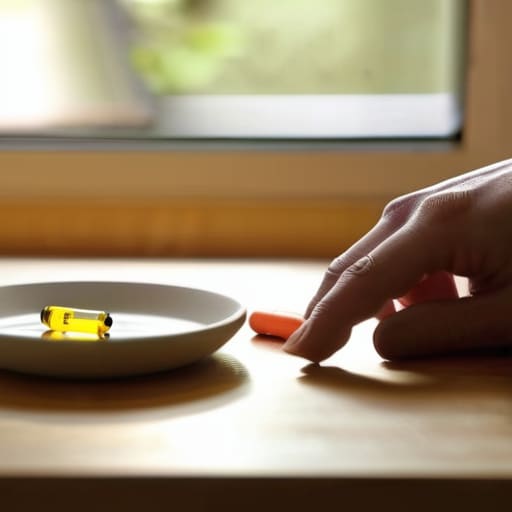

How to spot a food allergy signs.
Allergic Reaction Signs and What to Do First

I remember sitting on the edge of a plastic hospital chair at 3:15 AM, watching a mother stare at a tiny patch of red skin on her six-month-old’s cheek, her eyes darting between a Google search and her child’s breathing. She wasn’t looking for a medical textbook; she was looking for permission to breathe. Most of the advice you’ll find online about how to spot a food allergy is either written by someone who has never had to clean up vomit in a dark kitchen, or by a professional who forgets that anxiety doesn’t follow a clinical flowchart. They give you lists of symptoms that are technically correct but practically useless when you’re mid-panic, leaving you to wonder if that little wheeze is a passing fluke or a reason to head to A&E.

I’m not going to give you a sanitized checklist and call it a day. Instead, I’m going to tell you what I learned during eleven years on a paediatric ward and what I’ve learned through four children of my own. We’ll talk about the difference between a mild reaction and a genuine crisis, the timescales that actually matter, and when you can afford to wait until morning versus when you need to grab the car keys. This isn’t about being a perfect parent; it’s about knowing exactly what you’re looking at.

Table of Contents

Beyond the Textbooks How to Spot a Food Allergy in Real Life

Beyond the Textbooks How to Spot a Food Allergy in Real Life

In the ward, we had charts and protocols. At home, with a toddler who has just discovered peanut butter, you mostly have a gut feeling and a mounting sense of dread. The textbook tells you to look for hives, but in reality, you’re often just staring at a vague allergic reaction skin rash that looks more like heat rash or eczema, wondering if you’re overreacting. The tricky part is distinguishing food intolerance vs allergy when your child is already fussy. An intolerance might give you a grumpy, bloated kid with a tummy ache, but an allergy is an intruder—it’s sudden, it’s systemic, and it doesn’t care if it’s 2:00 PM or 2:00 AM.

When it moves from “uncomfortable” to “concerning,” you have to look for the systemic shift. I remember with my second, it wasn’t just a rash; it was the way their breathing changed, becoming shallow and slightly ragged. Those are the true anaphylaxis warning signs—the swelling of the lips, the sudden wheeze, or the way they suddenly seem limp or confused. If you see that combination, stop reading blogs and start your emergency response.

The Red Flags Distinguishing Food Intolerance vs Allergy

The Red Flags Distinguishing Food Intolerance vs Allergy

This is where the confusion usually starts, and it’s where I spent a lot of my nursing shifts trying to calm people down. The distinction between food intolerance vs allergy isn’t just academic; it’s the difference between a child who has a bit of a tummy ache and a child who needs an ambulance. An intolerance is a slow burn—think bloating, gas, or a bit of a restless night after they’ve had too much dairy. It’s uncomfortable, but it isn’t life-threatening.

An allergy, however, is the immune system overreacting and throwing a tantrum. You’re looking for speed and severity. If they eat something and within minutes you see an allergic reaction skin rash—those angry, raised red wheals—or if they start coughing or sounding wheezy, that is your body telling you something is wrong. When I was working the ward, I saw how quickly things can shift. You need to be able to recognise the anaphylaxis warning signs, like swelling of the lips or a sudden, terrifying change in their breathing. If it’s an allergy, it doesn’t wait for a convenient time to happen.

More Than Just an Allergic Reaction Skin Rash

More Than Just an Allergic Reaction Skin Rash

It is a common mistake to think that if there isn’t a bright red, itchy welt appearing on their cheeks, everything is fine. When I was working the wards, I saw plenty of parents breathe a sigh of relief because their toddler didn’t have an obvious allergic reaction skin rash, only to be blindsided an hour later by something much more systemic. Allergies don’t always announce themselves with a visual flare; sometimes they show up as a sudden, unexplained change in behaviour—a child becoming unusually lethargic, or perhaps a sudden, violent bout of vomiting that feels disconnected from whatever they just ate.

You also have to keep a sharp eye on the respiratory side of things. If you notice a cough that sounds “tight” or a wheeze that wasn’t there ten minutes ago, stop looking at their skin and start looking at their breathing. These can be subtle anaphylaxis warning signs that get lost in the chaos of a busy mealtime. My second child, when he was about fourteen months, didn’t get hives; he just suddenly seemed unusually breathless and fussy. It wasn’t a skin issue; it was a systemic one, and it’s the kind of thing that makes you wish you’d had a manual that accounted for the non-visual stuff.

The Usual Suspects a Common Food Allergens List

When I was working on the ward, I used to see the same handful of culprits over and over again. It wasn’t a random lottery; it was usually the heavy hitters. If you look at a standard common food allergens list, you’ll see things like milk, eggs, peanuts, and tree nuts at the top. My second child, who was about fourteen months old when we finally figured it out, reacted violently to even a trace of peanut. It’s one thing to read about it in a clinical pamphlet, but it’s quite another to be staring at a half-eaten biscuit, wondering if you’ve just accidentally triggered a crisis.

Then you have the “stealth” allergens—the ones that require a bit of detective work. We’re talking about wheat, soy, fish, and shellfish. The real trick is identifying hidden ingredients in processed foods; a label might say “natural flavourings” when what it actually means is “contains traces of something that will make your toddler swell up.” It’s exhausting, I know. You feel like you need a chemistry degree just to get through a Tuesday lunch, but once you recognize the patterns, the guesswork starts to feel a little less overwhelming.

The Invisible Danger Identifying Hidden Ingredients in Toddler Snacks

This is where the clinical guidance and the reality of a toddler’s snack cupboard really start to diverge. When I was nursing, we talked about the common food allergens list—milk, eggs, peanuts—as if they were clearly labeled on every package. But when you’re standing in a supermarket aisle at 5:00 PM, exhausted, trying to find something that isn’t a choking hazard but also doesn’t contain a “hidden” trace of something that could trigger a reaction, it feels a lot less scientific. Manufacturers are clever; they use terms like “natural flavours” or “casein” that don’t immediately scream allergen to a tired parent.

I remember my second, when we were first identifying hidden ingredients in his finger foods. I would spend twenty minutes reading a label for a simple cracker, only to find it had been processed on equipment that handled soy. It’s a mental load that no one prepares you for. You start to realize that a reaction doesn’t always come from the “main” ingredient. Sometimes, it’s the tiny, invisible additive in a fruit pouch that turns a peaceful afternoon into a frantic search for your emergency response plan.

When to Panic Anaphylaxis Warning Signs and Emergency Response

This is the part where the “nurse” in me takes over and the “tired dad” goes quiet. We’ve talked about rashes and tummy aches, but there is a massive, terrifying gulf between a child being fussy and a child going into anaphylaxis. When it’s a true emergency, you won’t have time to cross-reference a common food allergens list or wonder if it’s just a mild reaction. You’ll see it in the way their breathing changes—a sudden, raspy wheeze or a cough that sounds like they’re struggling to catch a breath through a straw.

If you see swelling in the tongue or throat, or if they suddenly seem limp and confused, stop reading this and call for help. The most important part of your emergency response for food allergies is speed; don’t sit there for twenty minutes waiting to see if an antihistamine works. When my second child had his first real scare at eighteen months, I spent years thinking I’d be calm, but the reality is that your brain turns to mush when you’re terrified. Trust your gut. If it feels like they are struggling to breathe, it is an emergency. Period.

Five Ways to Navigate the Chaos (Without Losing Your Mind)

  • Keep a “Food and Symptom” diary for at least two weeks. I know, it sounds like a chore when you’re already exhausted, but when you’re sitting in a GP surgery trying to remember if the hives appeared after the yogurt or the crackers, having a written record is your best friend. My second child was about fourteen months when we finally connected his sudden eczema flare-ups to egg whites; without that log, we would have just been guessing.
  • Introduce new foods one at a time, and do it during the day. Never, ever try a new allergen at 7 PM when you’re trying to wind them down for bed. You want to be in the thick of things, fully awake and able to observe, between 10 AM and 2 PM. If a reaction happens at noon, you have hours to react; if it happens at midnight, you’re fighting sleep deprivation and panic simultaneously.
  • Learn the difference between a “look” and a “reaction.” When I was nursing on the ward, I saw parents mistake a heat rash or a sudden flush from running around for an allergic reaction. A real food allergy usually has a clear temporal link—it happens shortly after ingestion. If they look a bit blotchy after a bath or a heavy session on the slide, take a breath. If they look blotchy ten minutes after a spoonful of peanut butter, that’s your cue to pay attention.
  • Watch the “behavioral” symptoms, not just the skin. We often look for rashes, but with my third, the first sign wasn’t a hive; it was a sudden, inexplicable irritability and a change in how they were breathing—just a slight, heavy wheeze that felt “off.” If your child suddenly becomes inconsolable or unusually lethargic after eating something new, trust your gut. That “something feels wrong” instinct is often more accurate than a textbook.
  • Check the labels for the “hidden” stuff, especially in processed snacks. By the time kids are two or three, they start wanting the “grown-up” snacks, which are often minefields of soy, milk, or wheat derivatives. I learned this the hard way when my eldest had a mild reaction to a biscuit that claimed to be “dairy-free” but contained milk solids. Don’t just look at the big bold letters; read the fine print every single time.

The Essentials for Your Mental Toolkit

Trust your gut, but verify with facts: If you see a sudden change—like hives appearing ten minutes after a spoonful of peanut butter or a child suddenly sounding wheezy—don’t wait for the “textbook” symptoms to line up perfectly. When it’s an allergy, speed matters more than a perfect diagnosis.

Keep a “food and symptom” diary for at least a week: When you’re sleep-deprived, your memory is a liar. Writing down exactly what they ate and exactly when the rash or the tummy ache appeared is the difference between a doctor guessing and a doctor actually helping you.

Know the difference between a nuisance and a crisis: Most reactions are manageable, but if you see swelling of the lips, a change in their voice, or any trouble breathing, stop reading advice online and call emergency services immediately. That is the one time where “waiting to see” is the wrong move.

Trust Your Gut (And Your Eyes)

If you take anything away from this, let it be that food allergies aren’t always the dramatic, throat-closing events we see in training videos. Sometimes they are just a persistent, itchy rash that won’t quit, or a sudden change in how your toddler behaves after lunch. We’ve looked at the red flags, the hidden ingredients lurking in those “healthy” toddler snacks, and the terrifying reality of anaphylaxis. But the most important thing to remember is that your intuition is a valid medical tool. If you see something that doesn’t sit right—even if it doesn’t perfectly match the textbook description of an allergic reaction—don’t feel like you’re being “dramatic” by seeking advice. Whether it’s an intolerance causing a week of tummy troubles or a genuine allergy, noticing the pattern is half the battle.

I know how exhausting this is. I know what it’s like to stare at a label for ten minutes straight while your four-year-old screams for a biscuit, or to lie awake wondering if that slight wheeze was just a cold or something more. Please, give yourself some grace. You are learning a high-stakes language in real-time, often while sleep-deprived and running on nothing but caffeine and hope. You don’t have to be a clinical nutritionist to keep your child safe; you just have to be the person who pays attention. You are doing a much better job than you think you are, and you are exactly the person your child needs.

How to handle dressing battles with autonomy.
Letting Them Choose the Terrible Outfit

I once spent an entire shift on the paediatric ward explaining to a sleep-deprived mum why her toddler’s refusal to wear trousers wasn’t a developmental crisis, only to go home and find myself in a literal wrestling match over a pair of denim jeans with my own two-year-old. The parenting blogs will try to sell you on “empowerment through choice” or expensive, sensory-friendly clothing lines, but they never quite capture the sheer, sweaty desperation of trying to figure out how to handle dressing battles when you’re already ten minutes late and your child has decided that socks are the enemy of their personal freedom.

I’m not going to give you a list of clinical “strategies” that only work when everyone is calm and well-rested. Instead, I’m going to give you the messy truth: what the nursing manuals say, and what actually works when you’re staring at a pile of discarded clothes on the floor at 7:45 AM. We’ll look at specific age milestones—because a three-year-old’s defiance is a different beast entirely from a newborn’s fussiness—and I’ll tell you exactly when to hold your ground and when to just let them wear the mismatched superhero cape to nursery.

Table of Contents

The 700 Am Stand Off How to Handle Dressing Battles

The 700 Am Stand Off How to Handle Dressing Battles

The clinical textbooks will talk to you about promoting child autonomy in morning routines, suggesting you offer “limited choices”—blue shirt or red shirt, you know the drill. In theory, it’s a brilliant way to foster independence. In practice, when you’re staring down a three-year-old who has decided that today, for reasons known only to him, he is only a dinosaur person, those choices feel like a trap. I remember my second, Leo, at age three, who once staged a twenty-minute protest because his trousers had a seam that felt “too pokey.”

If you suspect it’s more than just a power play, keep an eye out for signs of sensory processing disorder clothing sensitivities. It isn’t always about being difficult; sometimes, a tag actually does feel like a serrated knife against their skin. When I was on the ward, we saw kids who would melt down over the simplest change of clothes because their nervous systems were overwhelmed. If the battle feels less like a tantrum and more like a genuine physical distress, stop fighting the clock and start looking at the textures. Sometimes, the most effective way to win is to stop trying to win.

When the Textbook Fails and Toddler Clothing Refusal Strategies Break

When the Textbook Fails and Toddler Clothing Refusal Strategies Break

The clinical literature is wonderful at discussing promoting child autonomy in morning routines, but it’s remarkably quiet on the fact that autonomy often looks like a naked, screaming three-year-old standing in the middle of the hallway. When I was on the ward, we talked about developmental milestones and self-dressing as a logical progression of fine motor skills. In my own house, with my second child, it felt less like a milestone and more like a hostage situation involving a pair of denim trousers that he suddenly, inexplicably, decided were “too scratchy.”

Sometimes, the refusal isn’t just a power play; it’s physiological. I’ve learned the hard way that what looks like a tantrum can actually be a genuine struggle with sensory processing disorder clothing issues—tags, seams, or even the weight of a particular jumper can feel like sandpaper to a sensitive child. If you find yourself hitting a wall where every toddler clothing refusal strategy you’ve read fails, stop trying to “manage” the behavior and start looking at the fabric. If the seam is the enemy, no amount of calm redirection is going to win that battle.

Promoting Child Autonomy in Morning Routines Without Losing Your Mind

Promoting Child Autonomy in Morning Routines Without Losing Your Mind

The textbook approach to promoting child autonomy in morning routines is lovely on paper: “Give them two choices to empower their decision-making.” In theory, you offer a blue shirt or a red shirt. In reality, when you’re staring down a three-year-old who has decided that the blue shirt is an affront to their very soul, “choice” feels a lot like a trap. I learned this the hard way with my second, who wouldn’t touch anything that wasn’t a specific shade of mustard yellow. You realize quickly that autonomy isn’t about letting them run the show; it’s about building a framework where they feel they have a say, without the whole morning collapsing into a heap of laundry and tears.

Sometimes, the refusal isn’t about power at all; it’s about the physical sensation of the fabric. During my nursing days, I saw how much a scratchy tag could derail a child’s entire day. If you’re dealing with constant meltdowns, it might be worth looking into adaptive clothing for sensory sensitivities. My youngest didn’t start “choosing” clothes until we swapped the stiff denim for soft joggers and seamless socks at age four. Once the sensory friction was gone, the battle for control actually diminished.

Developmental Milestones and Self Dressing the Gap Between Theory and Reali

The textbooks make it sound so linear. They’ll tell you that around eighteen months, a child might start pulling at their socks, and by age three, they should be mastering the art of the button. They treat developmental milestones and self-dressing like a checklist you tick off in a quiet room. But in my house, those milestones don’t arrive with a fanfare; they arrive in fits and starts, usually right when you’re already running late. My second, Leo, hit the “independence” stage at twenty-two months, but that didn’t mean he wanted to dress himself; it meant he wanted to choose the most abrasive, scratchy woollen jumper in the house and wear it regardless of the heat.

This is where the gap between theory and reality gets wide. The medical literature often misses the nuance of sensory processing disorder clothing issues—the way a simple seam can feel like a serrated knife to a sensitive child. I’ve learned that what looks like a tantrum is often just a physical rejection of a texture. Sometimes, the best way to manage the chaos isn’t to push for more autonomy, but to pivot toward adaptive clothing for sensory sensitivities to stop the meltdown before it starts.

Sensory Processing Disorder Clothing When Tags Feel Like Torture

In the ward, we saw it all: the child who wasn’t just being “difficult,” but who was genuinely distressed by the texture of their uniform. When we talk about sensory processing disorder clothing, we aren’t just talking about a preference for soft cotton; we are talking about a neurological reality where a seam feels like a serrated knife against the skin. I remember my second, when he was three, having a full-scale meltdown because his new school jumper had a label that felt “spiky.” You can try every toddler clothing refusal strategy in the book—distraction, bribery, the “gentle approach”—but none of them work when the child is experiencing actual physical discomfort.

If you suspect this is what’s happening, stop fighting the battle of wills and start looking at the fabric. Moving toward adaptive clothing for sensory sensitivities, like seamless socks or tagless tops, can be a game-changer. It isn’t “giving in”; it’s removing a barrier to their ability to function. I’ve learned that you can’t teach a child to be independent if their very skin is screaming at them to get those clothes off.

Adaptive Clothing for Sensory Sensitivities Real Tools for Real Mornings

When I was working the night shift on the paediatric ward, I saw kids who would physically recoil from a simple cotton t-shirt because the seam felt like a serrated knife. We often talk about developmental milestones and self-dressing as if the only barrier is motor skills, but for a child with sensory sensitivities, the barrier is often a neurological alarm bell going off. If your toddler is screaming because a waistband feels “spiky,” they aren’t being difficult; their brain is telling them they are being attacked.

I learned this the hard way with my second child, who was about eighteen months old when we realized that “standard” clothes were the enemy. We started looking into adaptive clothing for sensory sensitivities, specifically hunting for seamless socks and tagless tops. It’s not about being “soft”; it’s about removing the friction that turns a simple morning into a meltdown. It’s one of those practical shifts that actually works for reducing morning power struggles because you stop fighting a battle against a sensation that the child genuinely cannot control.

Five Ways to Stop the Morning War (Without Losing Your Dignity)

  • The “Two Choices” Rule: At eighteen months, my eldest decided that every piece of clothing was a personal affront. I learned quickly that if I asked “What do you want to wear?”, I was inviting a meltdown. Instead, I’d hold up the blue shirt and the red shirt. They still feel in control because they made a choice, but you’ve already narrowed the field so they aren’t staring at a wardrobe of infinite possibilities.
  • The “Pre-emptive Strike” on Sensory Triggers: If you have a child who screams when a seam touches their skin, don’t wait for the dressing battle to start. I learned this the hard way with my second child at age two; we spent forty minutes fighting over a jumper that felt like sandpaper to him. Buy the seamless ones, cut the tags off before they even see them, and if they’re having a particularly rough morning, let them wear the softest, ugliest oversized T-shirt you own. Comfort beats fashion every single time.
  • Use a “Transition Object”: When you’re moving from play to dressing, the sudden shift can feel like a physical blow to a toddler. I started letting my youngest carry his dinosaur to the bedroom to “help” him get dressed. It sounds silly, and you’ll feel ridiculous doing it, but at three years old, having a companion makes the transition feel less like a command and more like a change in scenery.
  • The “Low-Stakes” Practice: If you’re aiming for that developmental milestone of self-dressing, don’t try to teach it at 7:30 AM when you’re both running late. That’s when failure happens and everyone ends up crying. Practice with big, easy items—like pulling up loose trousers—during a calm period in the afternoon. My third child didn’t master the art of the sock until he was nearly four, and we only got there because we stopped trying to make it a “morning task.”
  • Know When to Fold: Sometimes, the evidence says “encourage independence,” but your reality says “we are going to be late for nursery and I am about to have a breakdown.” If the battle is escalating and nobody is winning, just get them dressed in whatever is closest and deal with the autonomy lesson another day. You aren’t failing as a parent because you chose a mismatched outfit over a screaming match.

The Morning Survival Kit

Ditch the “perfect” routine for a “functional” one; if your three-year-old refuses the sensible trousers but will wear the dinosaur ones that are slightly too small, take the win and move on.

Watch for the sensory triggers—if the battle is actually about a scratchy seam or a tight waistband, no amount of “gentle parenting” or bribery will fix a child who feels like they’re being poked with needles.

Give yourself permission to fail the textbook; there is a massive, messy gap between a developmental milestone and a child actually cooperating at 7:15 AM, and your sanity is worth more than a perfectly dressed toddler.

The Long View from the Wardrobe Floor

We’ve covered a lot of ground here, from the clinical reality of sensory processing to the messy, unscripted chaos of a toddler deciding that trousers are the enemy. We’ve looked at how autonomy can be a tool rather than a weapon, and how sometimes, the most “evidence-based” thing you can do is just buy the seamless socks and move on. But if there is one thing I want you to take away from this, it’s that there is no perfect system for dressing a child. Whether you are navigating a sensory meltdown or a simple power struggle, the goal isn’t to achieve a flawless, seamless morning routine; it’s to find a way through the friction without losing your connection to the little person standing in the middle of it.

I remember a mother on the paediatric ward, exhausted and tearful because her two-year-old refused to wear anything but a specific dinosaur cape, even in the freezing cold. She felt like she was failing at the basics. I told her what I’ll tell you: this isn’t a failure of parenting; it’s a sign of a developing brain trying to figure out where it ends and the world begins. One day, when they are about four or five, the battles will shift from socks to school shoes, and eventually, they’ll just do it themselves while you’re busy worrying about something else entirely. Until then, be kind to yourself. Some mornings the evidence wins, and some mornings the toddler wins, and most mornings you’ll just be glad you finally got them out the door.

Complete guide to building resilience book cover.
The Complete Guide to Building Resilience

If you spend ten minutes scrolling through parenting blogs, you’ll find a dozen different versions of a “complete guide to building resilience,” and most of them involve buying expensive wooden Montessori toys or enrolling your toddler in a high-stakes gymnastics class. They make it sound like resilience is something you can purchase or a set of neat, tidy skills you can download into a child’s brain like software. But after eleven years on a paediatric ward and four children of my own, I can tell you that true resilience isn’t found in a curated playroom; it’s built in the messy, tear-streaked moments when things go completely wrong.

I’m not here to give you the polished, textbook version of child development that ignores the reality of a screaming four-year-old. Instead, I want to offer you something more practical: a look at what the clinical evidence actually suggests, paired with the unfiltered reality of what it looks like when you’re trying to implement it at 3:00 AM. We’ll talk about the specific ages when certain coping mechanisms actually kick in and, more importantly, when you should stop worrying and just let them fail.

Table of Contents

The Complete Guide to Building Resilience Beyond the Textbook

The Complete Guide to Building Resilience Beyond the Textbook

If you look at a clinical textbook, they’ll talk about psychological flexibility training as if it’s something you can teach a child by sitting them down with a series of colorful flashcards. In theory, it’s about helping them adapt to changing demands and stressors. But in practice? It looks a lot messier. When my second child was three, a “stressful situation” wasn’t a controlled classroom exercise; it was a broken biscuit and a sudden, soul-crushing meltdown in the middle of the supermarket. Resilience isn’t about preventing the meltdown; it’s about how we navigate the aftermath once the dust has settled.

The real work happens in the small, unglamorous gaps between the big life events. It’s about developing emotional intelligence and coping mechanisms through everyday friction—like learning that a lost toy is a tragedy, but the world doesn’t actually end. We often try to bypass the struggle to protect them, but that’s a mistake. True building mental strength requires letting them feel the frustration, sitting in the discomfort with them, and showing them—not just telling them—that they can survive a bad moment.

What Evidence Supports vs Reality at Half Past Two

What Evidence Supports vs Reality at Half Past Two.

The clinical literature loves to talk about psychological flexibility training as if it’s something you can practice over a nice cup of tea. The theory is sound: you teach a child to observe their feelings without being swallowed by them. In a controlled environment, or a calm classroom, that makes sense. But when my second child was three, and he was screaming because his toast had been cut into triangles instead of squares, “flexibility” felt like a cruel joke. You can teach a toddler about emotional intelligence and coping mechanisms all day long, but those lessons don’t stick when they are mid-meltdown and you are running on four hours of broken sleep.

The reality is that building mental strength isn’t a linear process of applying techniques; it’s a messy, repetitive cycle of failure. The textbooks suggest that modeling calm behavior is the key, but they rarely mention the sheer willpower required to not lose your own temper when you’re exhausted. At half past two in the morning, resilience isn’t about a grand strategy; it’s often just about surviving the next five minutes without someone getting hurt.

Teaching Emotional Intelligence and Coping Mechanisms Without Losing Your M

Teaching Emotional Intelligence and Coping Mechanisms Without Losing Your M

The textbooks will tell you that fostering emotional intelligence and coping mechanisms starts with “labeling feelings.” It sounds lovely in a seminar. In practice, it usually looks like you sitting on a bathroom floor while your four-year-old screams that the toast is “too crunchy” and you’re trying to remember if “frustrated” is a better word than “angry.” When I was nursing, I saw kids who could articulate their pain perfectly, but that didn’t mean they were coping; it just meant they had the vocabulary. Real resilience isn’t just naming the emotion; it’s the messy, repetitive process of sitting in the discomfort without trying to “fix” it immediately.

When we talk about building mental strength, we often mistake it for stoicism—teaching kids to just “tough it out.” That is a mistake. True strength is more like psychological flexibility training; it’s the ability to bend when the wind blows so you don’t snap. I learned this with my second child, who was about three, when a broken crayon felt like a life-altering tragedy. You don’t teach them to ignore the broken crayon; you teach them that they can be sad about the crayon and still eventually find something else to do. It’s about the pivot, not the suppression.

Mental Toughness Strategies That Actually Survive a Meltdown

When people talk about mental toughness strategies, they usually make it sound like you’re training an Olympic athlete. They talk about grit and “pushing through,” which is fine for a marathon, but it’s a bit useless when you’re trying to help a four-year-old navigate the absolute catastrophe of a broken biscuit. In my nursing days, I saw kids bounce back from much more than a snack mishap, but the secret wasn’t about being “tough”; it was about how they handled the immediate frustration. Real building mental strength in a child doesn’t happen during a calm conversation over cocoa; it happens in the messy middle of the struggle.

The textbook approach to overcoming adversity techniques suggests you should coach them through the problem immediately. But I’ve learned—usually while being yelled at by a toddler—that you can’t teach a lesson to a brain that is currently underwater. My second child, Leo, was about three when I realized that “toughness” actually looks more like psychological flexibility training. It’s not about preventing the meltdown; it’s about showing them that the world hasn’t ended just because things went sideways. You wait for the storm to pass, you acknowledge the frustration, and then you try again. That’s the part the manuals always leave out.

Psychological Flexibility Training for When Life Goes Sideways

In the clinical world, we talk about psychological flexibility training as the ability to stay in the present moment and adapt to changing circumstances. It sounds lovely, doesn’t it? Like something you could practice with a calm voice and a cup of herbal tea. But in a real living room, it looks more like helping a four-year-old navigate the absolute catastrophe of a broken biscuit. The goal isn’t to stop the frustration; it’s to teach them that they can feel the frustration and still function without the entire world ending.

When I was working the wards, I saw kids who could bounce back from huge medical setbacks, often because their parents weren’t trying to “fix” every single bad emotion. They were just sitting in it with them. This is where overcoming adversity techniques actually take root. It’s about teaching your child that a setback—whether it’s a scraped knee or a lost toy—is a temporary state, not a permanent identity. It’s much harder to model this when you’re running on three hours of sleep and your own patience is paper-thin, but showing them that you can handle a mistake is the most powerful lesson they’ll ever get.

Building Mental Strength While Navigating Your Own Stress Management

Here is the hard truth that they don’t put in the nursing handbooks: you cannot teach a child how to navigate a storm if you are currently drowning in it. We talk a lot about building mental strength in children, but we often forget that kids are the world’s most sophisticated emotional barometers. My second child, who was about three at the time, didn’t need a lecture on emotional regulation; he needed me to not vibrate with anxiety every time the toaster popped. If you are running on caffeine and pure adrenaline, your attempts at modeling calm will feel like a performance, and kids can smell a fake from a mile away.

Real stress management for resilience starts with acknowledging that you are a human being with a finite amount of bandwidth. It isn’t about being a Zen master; it’s about the messy, imperfect work of managing your own nervous system so you don’t add fuel to their fire. When I was on the ward, I saw parents try to “fix” their child’s panic while they were white-knuckling their own fear. It never worked. True strength isn’t about being bulletproof; it’s about showing your kids that even when we are overwhelmed, we can find our way back to steady ground.

Five Ways to Build Grit Without Breaking Your Own Spirit

  • Stop trying to “fix” the meltdown and start witnessing it. The textbooks say you should model emotional regulation, which sounds lovely in a quiet office, but when my second child was eighteen months old and screaming because his toast was cut into triangles instead of squares, “modeling” felt impossible. Resilience isn’t about preventing the storm; it’s about showing them that the storm eventually passes and you’re still standing there when it does.
  • Focus on “micro-wins” rather than grand character arcs. When my eldest was four, we stopped trying to teach “perseverance” as a concept and started celebrating the fact that he put his shoes on the first time he was asked. Resilience is a muscle built in tiny, boring increments—like finishing a puzzle or trying one bite of broccoli—not through a dramatic life lesson during a crisis.
  • Give them the “controlled struggle.” There is a massive difference between a child being overwhelmed and a child being challenged. When my third was about five, I had to fight the urge to jump in and fix a Lego tower that was falling apart. If we solve every problem for them by age six, we aren’t protecting them; we’re accidentally teaching them that they aren’t capable of handling things on their own.
  • Name the feeling, but don’t let it drive the bus. I used to think helping a child through a tantrum meant agreeing with their logic, but logic goes out the window at 2:00 AM. When my youngest was three, I learned that saying, “I can see you are incredibly angry right now, and it is okay to be angry, but it is not okay to hit,” was much more effective than trying to reason with a brain that was temporarily offline.
  • Build the “safety net” of routine, not the “cage” of perfection. Resilience thrives when a child knows what to expect. It’s not about having a perfect, Pinterest-ready schedule—heaven knows with four kids that’s a myth—it’s about the predictable rhythms. When life goes sideways (and it will), having that baseline of a consistent bedtime or a familiar morning ritual gives them the psychological floor they need to bounce back.

The Bottom Line: What to Carry With You

Resilience isn’t a skill you “teach” through a lecture; it’s something they absorb by watching you navigate a bad day without pretending it isn’t happening. When my second was four, I realized that trying to “model calm” while I was secretly vibrating with stress was doing more harm than good. Just be honest: “I’m feeling very frustrated right now, so I’m going to take a minute.” It’s much more effective than the fake-smile approach.

Stop aiming for “perfectly regulated” and start aiming for “recoverable.” The goal isn’t to prevent the meltdown—that’s biologically impossible for a toddler or a young child—it’s to shorten the time it takes to get back to baseline. In the ward, we saw it all the time: the kids who bounced back weren’t the ones who never cried, they were the ones who felt safe enough to stop crying once the crisis passed.

Watch for the “Guidance Gap.” If a piece of advice sounds like it was written by someone who has never had to deal with a child who refuses to put on shoes while you’re already ten minutes late for school, treat it with caution. Use the evidence to guide your long-term parenting, but use your own exhausted, real-world intuition to get through the next ten minutes. If you’re surviving the night, you’re doing better than the textbooks give you credit for.

The Long Game

We’ve covered a lot of ground, from the clinical definitions of psychological flexibility to the messy, tear-soaked reality of a toddler meltdown in a supermarket aisle. If there is one thing I want you to take away, it is that resilience isn’t a switch you flip or a set of skills you “finish” teaching. It is a slow, often frustrating process of trial and error. You can follow the evidence, model the emotional regulation, and implement the best strategies known to paediatric science, but there will still be nights where everything falls apart. The goal isn’t to prevent the struggle; it’s to show them—and yourself—that you can navigate through it and come out the other side.

If you are currently sitting in the dark, feeling like you are failing because your child (or you) can’t seem to “bounce back” as the books suggest, please hear me: you are doing the work. My oldest was four when I realized that resilience isn’t about being unbreakable; it’s about being able to mend. It is okay to be tired, and it is okay to be imperfect. You aren’t just building a child’s mental toughness; you are building a relationship based on trust and shared survival. So, take a breath, forgive yourself for the 2:00 AM chaos, and just keep showing up. That is where the real strength lives.

Tips on how to choose activities and clubs.
Choosing Clubs Without Filling Every Evening

I remember sitting in my car last Tuesday, staring at a crumpled flyer for “Elite Junior Gymnastics,” feeling that familiar, hollow ache of guilt. My six-year-old was currently vibrating with enough energy to power a small city, and every parenting blog I’d scrolled through insisted that if I didn’t figure out how to choose activities and clubs by the age of four, I was essentially sabotaging their future cognitive development. It’s a special kind of madness, isn’t it? We’ve been sold this idea that a child’s schedule should look like a professional athlete’s itinerary, as if a packed calendar is somehow a proxy for good parenting rather than just a recipe for a collective family breakdown.

I’m not going to give you a checklist of developmental milestones or a lecture on “enrichment opportunities.” Instead, I want to talk about what actually happens when you try to balance a Tuesday night karate class with a child who has just discovered they can have a full-scale meltdown because their toast was cut into triangles instead of squares. I’ll share what I’ve learned from my four kids—from the toddler who loved swimming until the sensory overload hit, to the ten-year-old who finally found his groove in drama—and help you decide which commitments are actually worth the driving time and which are just expensive ways to exhaust yourselves.

Table of Contents

The Activity Trap How to Choose Activities and Clubs Without Losing Your Mi

The Activity Trap How to Choose Activities and Clubs Without Losing Your Mi

The brochures make it look like a seamless progression: piano at four, football at six, coding at eight. They promise that social development through clubs is the magic ingredient for a well-rounded human. But when you’re sitting in a damp car park at 6:15 PM, watching a five-year-old have a complete meltdown because their socks feel “wrong” for gymnastics, those developmental benefits feel a long way off. I remember my second, when I thought I could manage a swimming lesson and a music class back-to-back. I was wrong. We ended up in the driveways of the local leisure centre, both of us vibrating with exhaustion, because I hadn’t actually looked at the logistical reality of the week.

The real trick isn’t just evaluating time commitments on paper; it’s accounting for the “transition tax.” Every activity requires a mental shift for the child and a physical one for you. If you’re constantly managing a child’s schedule like you’re a logistics manager for a shipping firm, you miss the actual point of the hobby. I’ve learned that it’s better to have one thing they actually enjoy—even if it’s just a messy art class—than a calendar full of “enrichment” that leaves everyone too tired to actually talk to each other at dinner.

Extracurricular Activity Benefits vs the Reality of a Tuesday Night Meltdow

Extracurricular Activity Benefits vs the Reality of a Tuesday Night Meltdown

The brochures make it look seamless: a child discovering their purpose, building confidence, and gaining essential social development through clubs. And scientifically, they aren’t wrong. When I was working on the ward, I saw how much a sense of mastery—being “the kid who is good at football” or “the one who paints”—could bolster a child’s resilience. But the brochures forget to mention the logistics of a Tuesday night. They don’t show you the drive home where your six-year-old is vibrating with exhaustion, or the way a single extra commitment can turn managing child’s schedule into a high-stakes game of Tetris that you are destined to lose.

I learned this the hard way with my second. We signed him up for swimming to “build discipline,” but by week four, the discipline was being applied entirely to his refusal to put on his goggles. We were so focused on the perceived extracurricular activity benefits that we ignored the fact that he was becoming a shell of a human by 7 PM. You have to look past the developmental milestones and ask: is this child actually gaining something, or are we just filling a gap in the calendar?

Balancing Extracurriculars and Academics When the Homework Starts Screaming

Balancing Extracurriculars and Academics When the Homework Starts Screaming

This is where the theory of “well-rounded development” hits the brick wall of a Tuesday evening. You’ve been told that social development through clubs is essential for building resilience, and you’re right—it is. But there is a massive difference between a child learning to navigate a team dynamic in football and a child sitting at the kitchen table at 7:00 PM, tears streaming down their face because they are too exhausted to care about long division. When you are balancing extracurriculars and academics, you aren’t just managing a calendar; you are managing a nervous system.

I remember when my second child was seven; he was doing swimming, scouts, and a music lesson. On paper, he was thriving. In reality, he was a shell of a human who had completely lost the ability to focus on anything that wasn’t a screen. We had to stop evaluating time commitments based on what they could do and start looking at what they could do sustainably. If the homework is starting to scream, it’s usually a sign that the schedule has outpaced the child’s capacity to process it. Sometimes, the best “activity” for their development is a quiet afternoon with no fixed agenda at all.

Finding Passion Through Hobbies Without Forcing a Future Career

We’ve all been there: looking at a child who is tentatively picking up a paintbrush or kicking a ball around, and our brains immediately jump to the five-year plan. We start thinking about scholarships, resumes, and whether this is the “spark” that defines them. But here is the thing I learned with my second, when he was five and obsessed with dinosaurs: if you treat a hobby like a career path, you kill the joy of it before they even learn the basics. Finding passion through hobbies shouldn’t feel like an audition for a professional league; it should feel like a way for them to figure out who they are when no one is grading them.

The real goal is social development through clubs and the simple, messy joy of being bad at something until you aren’t. When we focus too much on the “benefit” or the “skill acquisition,” we stop evaluating time commitments based on the child’s happiness and start doing it based on their potential. If they want to spend three months being intensely into origami and then drop it for football, let them. That isn’t a lack of focus; it’s just a kid being a kid.

Managing Your Childs Schedule or Just Racing a Clock

There is a specific kind of frantic energy that settles into a house when you start managing a child’s schedule like it’s a high-stakes logistics operation. I remember when my second was four; I had him signed up for swimming, music, and a toddler gymnastics class, all in the name of “social development through clubs.” On paper, it was a developmental masterclass. In reality, I spent most of my Tuesdays staring at the dashboard of the car, wondering if we were actually building a well-rounded human or just building a very efficient machine for moving bodies from Point A to Point B.

When you start evaluating time commitments, don’t just look at the cost of the membership or the distance to the hall. Look at the “transition tax.” That’s the twenty minutes of chaos required to get a six-year-old into a kit, the frantic search for a missing left shoe, and the inevitable meltdown in the car park because they’ve suddenly realized they’re tired. If your calendar looks like a Tetris game played at double speed, you aren’t just scheduling activities; you’re racing a clock that never actually stops.

Evaluating Time Commitments and Social Development Through Clubs

When you’re evaluating time commitments, it’s easy to get caught up in the logic of the weekly calendar. On paper, a Tuesday swimming lesson and a Thursday scouts meeting look like a perfect way to foster social development through clubs. But paper doesn’t account for the fact that your seven-year-old has just had a massive growth spurt and is suddenly exhausted by 5 PM, or that the drive to the pool is forty minutes in heavy traffic. I learned this the hard way with my second; we signed him up for everything because the brochures promised “confidence building,” but all we actually built was a sense of perpetual fatigue.

The real trick isn’t just looking at the clock; it’s looking at the emotional cost of the transition. Some kids thrive on the structure, but others find the constant shift from school mode to club mode overwhelming. If you’re managing your child’s schedule, watch for the signs of a “transition meltdown.” If they can handle the chaos of a busy week, great. But if you see them withdrawing or becoming increasingly irritable, it’s not a lack of discipline—it’s a sign that their battery is empty.

Five Ways to Pick a Club Without Breaking Your Family

  • The “Trial Period” Rule: Never commit to a full term or a year based on a brochure. When my second child was five, we signed him up for karate thinking he’d be a little ninja; by week three, he was just a crying toddler in a heavy white suit. Always ask if you can do a three-week trial or a single drop-in session first. It saves you the guilt of quitting and the sting of wasting money.
  • Watch the “Transition Energy”: Don’t just look at the activity; look at the gap between school and the club. If your seven-year-old is already a zombie by 3:30 PM, adding a high-energy football practice at 4:30 PM is a recipe for a meltdown in the car park. Some kids need a “buffer hour” of nothingness before they can be social again.
  • The Logistics Reality Check: Before you say yes, look at your actual calendar, not your “ideal” calendar. I used to think I could handle a Tuesday night swim lesson, but when you factor in the wet hair, the damp towels, and the fact that I haven’t even started dinner, it’s a disaster. If the commute takes forty minutes each way, that’s not an activity—it’s a second job for you.
  • Listen for the “Quiet Interest”: There is a massive difference between a child who is genuinely curious and one who is just performing for your approval. When my eldest was nine, he insisted on violin because he thought it made him look “smart,” but he hated every second of it. If they can’t tell you one specific thing they like about it—even if it’s just “the snacks at the break”—they’re likely just doing it for you.
  • Prioritise the “Social Low-Stakes” Option: Not every club needs to be a competitive pursuit of excellence. Sometimes, a child just needs a place where they can be around other kids without the pressure of a trophy or a grade. At age six, a simple Lego club or a messy art class is often much better for their development than a high-pressure gymnastics academy where they’re being judged on every tuck and roll.

The Survival Checklist: Three Things to Remember When the Schedule Gets Heavy

Watch the child, not the brochure. A club might look great on paper, but if your seven-year-old is coming home from football with tears in their eyes and a sudden, inexplicable hatred of grass, the “developmental benefits” aren’t worth the mental toll on your entire family.

Prioritize the “unstructured” years. Between the ages of four and eight, I learned the hard way that a child who has two hours of nothing to do is often much better equipped for the chaos of later life than a child whose every Tuesday and Thursday is a frantic sprint from tutor to karate.

Build in a “failure buffer.” Whatever you commit to, leave a gap in the calendar for the inevitable—the sudden fever, the meltdown over a lost sock, or the day everyone is just too tired to function. If your schedule is a perfect, airtight puzzle, it will break the moment real life happens.

The Long View

If you take anything away from this, let it be this: there is no perfect schedule, only the one that allows your family to breathe. We’ve talked about the developmental benefits, the social wins, and the inevitable Tuesday night meltdowns that occur when the calendar is too full. You can track the skills they are gaining, but don’t forget to track the cost to your sanity. I remember when my eldest was six and we signed him up for three different things because the brochures promised “character building.” All we actually built was a sense of frantic exhaustion. The goal isn’t to fill every gap in their week; it’s to find the few things that actually matter to them, while leaving enough room for the chaos that life inevitably throws your way.

At the end of the day, your child won’t remember if they attended every single practice or if they mastered every single skill by age seven. They will remember if they felt rushed, if you were always checking your watch, or if there was space for them to just be a kid without a deadline looming. Trust your gut over the glossy pamphlets. If a club is causing more tears than triumphs, it’s okay to walk away. You aren’t failing them by choosing a quiet evening over a crowded schedule; you are teaching them that their well-being is more important than a trophy or a completed checklist.

How to teach responsibility with chores.
Chores by Age, and Why Payment Complicates It

I’ve lost count of how many glossy parenting books I’ve seen suggesting that you need a laminated reward chart, a gold-star sticker system, and a complex “points economy” to master how to teach responsibility with chores. It sounds lovely on a Sunday afternoon when the house is quiet, but it’s absolute nonsense when you’re standing in a kitchen that looks like a bomb went off and your six-year-old is stage-managing a protest because they’ve been asked to put one—just one—plate in the dishwasher. Most of the “expert” advice treats children like tiny employees who need a performance review, rather than humans who are still figuring out how their own hands work.

I’m not going to give you a spreadsheet or a way to bribe your way into a tidy living room. Instead, I want to talk about what actually sticks when the novelty of a sticker wears off. I’ll tell you what I learned when my eldest was four, what failed miserably when my second was seven, and why consistency matters more than perfection. We’re going to look at the gap between the textbook methods and the messy reality of a lived-in home, focusing on what actually builds a sense of contribution rather than just a habit of negotiating for treats.

Table of Contents

The Textbook Version vs the 7 Am Living Room War

The Textbook Version vs the 7 Am Living Room War

If you pick up a book on child development milestones, you’ll read that between the ages of four and six, children are developmentally ready to begin contributing to the family unit. The theory is beautiful: you introduce a colorful chore chart for children, use positive reinforcement techniques like gold stars or extra screen time, and watch as they blossom into tiny, helpful roommates. It’s a neat, linear progression of teaching life skills to kids that assumes they possess a logical brain and a sense of civic duty.

Then there is the 7 AM reality. This is the version where your four-year-old has decided that “putting your shoes in the basket” is an affront to their very existence, resulting in a full-scale floor protest. In the textbook, you’d calmly explain the importance of household task management; in my living room, I’m usually just trying to find a matching pair of socks while someone cries because their toast was cut into triangles instead of squares. The gap between theological parenting and the actual, sweaty, loud process of building accountability is where most of us live.

Why Child Development Milestones Make Chore Charts Feel Pointless

Why Child Development Milestones Make Chore Charts Feel Pointless

The problem with most advice on chore charts for children is that it assumes a child’s brain is a reliable, linear machine. In the nursing world, we talk about child development milestones as these neat little checkboxes, but in a house with four kids, they feel more like moving targets. You might read a book that says a four-year-old is developmentally ready to “help” with the laundry, but that book hasn’t met my four-year-old, who currently views a stray sock as a mortal enemy.

When you’re trying to master teaching life skills to kids, you quickly learn that a milestone isn’t a guarantee of competence; it’s just a suggestion of possibility. There is a massive, messy gap between a child knowing they should put a plate in the dishwasher and actually having the impulse control to do it when they’d rather be playing with a Lego spaceship. The theory assumes readiness, but the reality is a constant negotiation with a brain that is still very much under construction. You can have the most beautiful, color-coded chart in the world, but if their cognitive development hasn’t caught up to the task, that chart is just expensive wallpaper.

The Truth About How to Teach Responsibility With Chores

The Truth About How to Teach Responsibility With Chores

If you look at any manual on teaching life skills to kids, the advice is usually a linear progression: they learn to tidy toys, then they manage their laundry, then they master the dishwasher. It sounds so tidy. But in my house, progress doesn’t look like a straight line; it looks like a jagged mountain range. When my second child was four, I thought we had mastered the “toy bin” phase, only to find that “responsibility” actually meant he would spend twenty minutes meticulously placing every single Lego brick in the bin, but then refuse to let anyone else enter the room for fear of a disturbance.

The real secret isn’t found in perfect chore charts for children, which usually end up being nothing more than colorful scrap paper by Tuesday. It’s about understanding that responsibility is a muscle that fatigues easily. You have to pivot from expecting a finished product to rewarding the effort. I stopped looking for a clean floor and started looking for the moment they actually initiated a task without being prompted three times. That’s the win. It’s messy, it’s inconsistent, and it’s often frustrating, but it’s the only way they actually learn.

Beyond Stickers Real Positive Reinforcement Techniques That Actually Work

We’ve all seen the glossy posters in the supermarket: bright, colorful chore charts for children that promise a gold star for every spoon put in the dishwasher. In theory, they look like a foolproof way of teaching life skills to kids. In practice, by the time you’re on week three, those stickers have lost their magic, the chart is peeling off the fridge, and your four-year-old is negotiating the price of a single sock like a seasoned corporate lawyer.

The problem with stickers is that they are external. They feel like a transaction: I do this, you give me that. Real accountability—the kind that actually sticks when they’re teenagers—needs to be internal. I found that shifting toward natural consequences worked far better than any reward system. When my second child refused to put his laundry in the basket, I didn’t offer a sticker; I simply didn’t wash the shirt he wanted for school the next morning. It wasn’t a punishment; it was just the reality of household task management. He learned that his actions had a direct impact on his own comfort, which is a much more powerful lesson than a piece of adhesive paper.

Teaching Life Skills to Kids Without Losing Your Mind

The biggest mistake I see—and I made it with my second, who was about four—is treating chores like a series of discrete, isolated tasks. We tend to think of teaching life skills to kids as a checklist: “Put your shoes away,” “Clear your plate,” “Pick up the Lego.” But when you’re actually in the thick of it, those aren’t skills; they’re just commands. Real life skills are about the messy, connective tissue of household task management. It’s the ability to see that a full bin needs emptying before it overflows, or that the laundry won’t wash itself. If you only teach the specific action, you aren’t teaching responsibility; you’re just training a very small, very tired employee.

To avoid the burnout, you have to stop aiming for perfection and start aiming for competence. When my eldest was six, I realized that if I insisted the dishwasher be loaded “the right way,” I was actually just teaching him that his efforts were never quite good enough. Instead, I shifted toward parenting strategies for accountability that allow for a bit of chaos. Let them fail a little. Let the towels be folded lopsidedly. If you step in to “fix” it every time, you aren’t teaching them how to contribute; you’re just teaching them that you’ll eventually do the work for them.

Mastering Household Task Management and Parenting Strategies for Accountabi

If you’ve spent any time looking at Pinterest, you’ve seen the “perfect” version of household task management. It’s all pastel-coloured laminated checklists and gold stars that make everything look like a seamless, breezy success. But when I was trying to get my second child—who was about four at the time—to put his shoes in the basket, it wasn’t a system; it was a negotiation involving a juice box and a very intense debate about whether shoes actually belong in baskets.

The secret isn’t finding a magical set of parenting strategies for accountability that works every single time. It’s about accepting that accountability is a slow-build, not a light switch. You have to pivot from being a manager to being a coach. This means moving away from rigid chore charts for children that feel like a punishment when they aren’t completed, and moving toward small, manageable wins. When my eldest was six, I stopped asking him to “clean his room”—which is a vague, terrifying concept to a child—and started asking him to “put the Lego in the blue bin.” It’s about shrinking the task until it’s small enough that they can actually succeed, even on the days when they’re tired, cranky, or just plain stubborn.

Five Ways to Stop the Chore War Without Losing Your Sanity

  • Match the task to the actual brain they have, not the one you wish they had. When my second child was three, I thought he could “help” with the laundry, but what actually happened was a thirty-minute battle over a rogue sock. At three, “responsibility” is just being part of the flow—putting clothes in the basket, not folding them into neat squares. Don’t assign a task that requires executive function they haven’t developed yet, or you’re just setting yourself up for a meltdown.
  • Abandon the “all or nothing” perfectionism. In the nursing world, if you don’t do something perfectly, there are consequences; in parenting, if you insist the dishwasher is loaded exactly to your specifications, you will end up doing it yourself every single time. If your six-year-old clears the table and leaves a trail of crumbs like a breadcrumb path to madness, let it go. If you redo the job the second they walk away, you aren’t teaching responsibility; you’re teaching them that their effort doesn’t matter.
  • Use “Body Doubling” instead of shouting from the other room. The textbook says “give clear instructions,” but the reality is that a ten-year-old in a bedroom with a gaming headset is effectively deaf to your voice. I found that at age eight, my kids responded much better if I simply sat in the kitchen and did my own admin while they did their chores. You aren’t doing the work for them, but you are providing the social anchor that keeps them from drifting off into a daydream.
  • Ditch the sticker charts for natural consequences. Stickers are fine for a classroom, but at home, they feel transactional and hollow. Instead, try the reality of the situation: if they don’t put their muddy football kit in the wash, they won’t have it for Saturday morning. It’s much harder to be the “bad guy” when the consequence is just the logical result of their own choice. It’s a tough lesson, and it might mean a grumpy kid for an hour, but it’s how they actually learn that their actions have weight.
  • Focus on the “Why” before the “What.” When my oldest was seven, I realized that telling him to “clean his room” was an abstract, terrifying concept. It felt like being told to “fix the economy.” I started breaking it down into “we are clearing the floor so nobody trips” or “we are tidying the books so we can find the ones we want to read.” When they understand that a chore serves a purpose for the family, rather than just being a way for you to exert power, the resistance starts to soften.

The Short Version (For When You're Too Tired to Read More)

Forget the “all or nothing” approach to chores; responsibility isn’t a switch that flips at age seven, it’s a slow, messy build of tiny tasks that will inevitably be done poorly at first.

Ditch the rigid sticker charts if they’re just causing power struggles; focus instead on the actual skill being learned and whether the child feels capable rather than just compliant.

Accept that there is no perfect system, only the one that doesn’t result in a domestic meltdown—sometimes the “correct” way to teach accountability is to just let the laundry sit for a day so they can see the consequence for themselves.

The Long Game

If you take anything away from this, let it be that chores aren’t actually about the laundry or the dishes; they are about the slow, messy process of building a person. We’ve talked about why the textbook charts fail when a four-year-old decides a sock is a sentient being, and why chasing perfection is the fastest way to burn yourself out. You can try to implement the perfect system of accountability, but remember that true responsibility is a muscle that takes years to develop. It won’t happen during a single productive weekend; it happens in the tiny, frustrating increments between the ages of three and thirteen, through failed attempts, forgotten tasks, and the occasional begrudgingly emptied bin.

There will be days when you feel like you’re just a glorified manager of chaos rather than a parent teaching life skills. On those days, when the house is a wreck and the “responsibility” you’re teaching feels like it’s going nowhere, please remember that you are doing better than you think. My eldest didn’t truly grasp the concept of contributing to the household until he was ten, and even then, I had to remind him three times a day. Give yourself the same grace you give your children. You aren’t failing because the chores aren’t done; you’re succeeding because you’re showing up for the long, unglamorous work of raising humans.

How to encourage physical activity through play.
Activity That Is Play, Not Exercise

If you search online for how to encourage physical activity, you’ll be met with a relentless parade of expensive, brightly coloured plastic nonsense—think “sensory balance beams” or “developmental obstacle courses” that cost more than my first car. The glossy brochures make it sound like you need a backyard gym and a structured curriculum to keep a child moving. But I’ve spent eleven years on a paediatric ward and four years living in a house with four children, and I can tell you that a child doesn’t need a curated movement session; they usually just need a cardboard box and a sudden, inexplicable urge to see if they can jump off the sofa without breaking a limb.

In this post, I’m stripping away the clinical jargon and the high-priced gadgets to talk about what actually works when you’re exhausted and the weather is rubbish. I’m going to give you the real-world version of how to encourage physical activity—the kind that works for a frantic three-year-old and a stubborn seven-year-old alike. We’ll look at the evidence-based basics, but more importantly, I’ll tell you which ideas actually survive a Tuesday afternoon when you’ve only got twenty minutes before tea.

Table of Contents

Understanding How to Encourage Physical Activity

Understanding How to Encourage Physical Activity.

In the hospital, we talked about the long-term benefits of regular exercise in terms of cardiovascular health and bone density. It sounds very clinical, very clean. But when you’re standing in a kitchen with a four-year-old who has decided that moving their legs is a personal affront to their dignity, those statistics feel a world away. The textbooks focus on physical literacy development—the idea that kids need to master fundamental movements like hopping or throwing—but they rarely mention that most kids won’t even attempt a jump if they’re currently occupied with a half-eaten piece of toast.

The real challenge isn’t just about preventing a sedentary lifestyle; it’s about the constant, exhausting work of incorporating movement into the daily routine without it feeling like a chore. When my second child was three, I tried the “structured play” approach. I’d set out the soft play mats and the balls, feeling very much like a professional educator. It lasted exactly four minutes before he decided the most efficient way to use his energy was to see how many times he could headbutt the sofa. Realistically, movement happens in the gaps—the frantic dash to the park, the kitchen dance party, or the inevitable wrestling match on the rug.

Key Things to Know

Key Things to Know: Sedentary Lifestyle Prevention

First, let’s look at the medical side, because that’s what the brochures focus on. The clinical goal is sedentary lifestyle prevention, which is a fancy way of saying we want to stop kids from becoming little statues glued to a screen. The benefits of regular exercise are well-documented—better sleep, better mood, stronger bones—but the textbooks tend to treat “exercise” like it’s a scheduled gym class. In reality, for a three-year-old, “exercise” is just a chaotic attempt to climb the sofa while you’re trying to make toast.

The second thing you need to grasp is that you aren’t training athletes; you are fostering physical literacy development. This isn’t about how fast they can run a lap, but about them feeling capable in their own skin. When my second child was four, I tried to force “structured play” every afternoon. It was a disaster. He didn’t want a drill; he wanted to run in circles until he fell over. The trick isn’t to force a routine, but to focus on incorporating movement into their daily routine in ways that feel like play, not a chore.

Practical Tips and Steps

Practical Tips and Steps for daily movement.

First, let’s talk about the “scheduled activity” trap. The textbooks love to suggest structured play sessions or organized sports, but when you’ve got a four-year-old who has decided that wearing shoes is a personal affront to their dignity, a planned soccer drill is a recipe for a meltdown. Instead, I’ve found that incorporating movement into daily routine works much better. When my second child was three, we stopped trying to “exercise” and started “moving to the car” or “racing to the front door.” It sounds silly, but it bypasses the power struggle. You aren’t asking them to work out; you’re just making life a bit more kinetic.

Secondly, we have to look at the screens. We all know the goal is sedentary lifestyle prevention, but telling a seven-year-old to put down the tablet feels like asking them to give up a limb. I learned with my eldest that you can’t just subtract the screen; you have to add something better. We started a “movement snack” rule—five minutes of a silly dance or a quick game of indoor tag between episodes. It’s not about intense training; it’s about building active lifestyle habits for kids through small, manageable bursts that don’t feel like a chore.

Common Mistakes to Avoid

The biggest mistake I see—and I fell for this one with my second, who was about three—is treating movement like a scheduled chore or a formal lesson. We tend to think that if it isn’t a “gym class” or a structured football session, it doesn’t count. But when you try to force a kid into a rigid routine, they often just dig their heels in. You end up fighting them more than they are actually moving. Real physical literacy development isn’t about perfect form; it’s about them learning that their bodies can actually do things.

Another trap is the “all or nothing” mindset. You might read a paper on the benefits of regular exercise and feel like you’re failing if your child isn’t sprinting around a park for an hour every afternoon. When I was on the ward, I saw plenty of kids who were physically active but completely burnt out because their parents were over-scheduling every waking second. Don’t make movement another item on a stressful to-do list. If you try to turn every afternoon into an Olympic training camp, they’ll eventually just associate being active with being pressured.

Final Thoughts

If you’re sitting there feeling like you’ve failed because your four-year-old would rather watch a cartoon than run a lap around the garden, please take a breath. I’ve been there, usually at 6:00 PM when the house feels too small and the energy feels too high. The goal isn’t to turn them into miniature Olympians; it’s simply about incorporating movement into daily routine in a way that doesn’t feel like a chore for you or them. Whether it’s a frantic ten-minute dance party in the kitchen or a walk to the shops, these small wins are what actually build active lifestyle habits for kids over the long haul.

Don’t get caught up in the perfection of the “ideal” schedule. The textbooks focus heavily on sedentary lifestyle prevention, but they don’t mention that sometimes, the most productive thing you can do for your own sanity is to let them be still for a moment. Focus on the connection, not the calorie burn. When my second child was three, I stopped trying to force “exercise” and just started playing tag in the hallway. It was messy, it was loud, and it worked far better than any structured drill ever could.

Five ways to actually get them moving (without it becoming a battle)

  • Stop calling it ‘exercise’ and just start moving with them. When my middle one was three, I tried to set up a ‘structured play session’ with a ball and a hoop, which lasted exactly ninety seconds before he decided he was done. The trick wasn’t the equipment; it was me getting on the floor and doing the ridiculous dance moves he wanted. If you’re moving, they’re usually following.
  • Use the ‘micro-burst’ method for the high-energy/low-attention types. The textbooks love talking about sixty minutes of continuous play, but if you have a four-year-old with the attention span of a goldfish, that’s a fantasy. Instead, I found that five minutes of a ‘heavy work’ task—like helping me carry the laundry basket or pushing a heavy toy pram—works better than trying to force a long walk that ends in a tantrum ten minutes in.
  • Forget the fancy gear; use the ‘obstacle course’ hack. You don’t need a climbing frame or a membership to a soft-play centre. When my oldest was five, we used sofa cushions, painter’s tape on the carpet, and a laundry basket to turn the hallway into a jungle trek. It costs nothing, and it turns ‘going for a walk’ (which they hate) into ‘an adventure’ (which they live for).
  • Watch out for the ‘Screen-to-Sofa’ trap. It’s incredibly easy to let a tablet be the babysitter when you’re exhausted, but the physiological comedown from a high-stimulation cartoon makes physical activity feel physically impossible for a toddler. I learned the hard way with my second child that if we had a screen session, we needed a twenty-minute ‘buffer zone’ of something tactile—like playdough or even just some bubbles—before we could even attempt to get them out the door.
  • Model the ‘boring’ movement. If you want them to be active, they need to see that movement isn’t a chore you do only when they are being supervised. When my kids were around six, I started making a point of doing my stretches or a quick bit of gardening while they were nearby. If they see you treating movement as a normal, slightly messy part of your day rather than a special event, they stop fighting it.

The Short Version (For When You’re Too Tired to Read)

Forget the “scheduled play” nonsense you see in the brochures; at this age, movement is just life. If they’re chasing the dog or even just aggressively rearranging the sofa cushions, they’re doing the work.

Consistency is a myth when you have more than one child. What worked for my second when he was eighteen months—a dedicated hour in the park—was a total non-starter with my third, who preferred to sit in the sandbox and contemplate a pebble for forty minutes. Meet them where they are, not where the manual says they should be.

Watch for the “overtired crash.” You can push physical activity all day, but once that window hits—usually around 6:30pm for my middle two—trying to get them to “burn off energy” is just a fast track to a meltdown that will last until midnight.

The Reality Check

If you try to implement everything we’ve discussed—the scheduled play, the structured outdoor time, the constant encouragement—all at once, you are going to burn out by Tuesday. I learned that the hard way with my second child, who was about eighteen months old and decided that “structured activity” was actually an invitation for a full-scale floor protest. The goal isn’t to turn your living room into a mini-gym or to become a professional referee for every game of tag. It is simply about finding those small, messy windows of movement that fit into your actual life, rather than the perfectly curated version found in parenting magazines. Focus on the consistency of small things rather than the perfection of big things; it’s the incremental wins that actually build a healthy habit over time.

At the end of the day, please remember that your child doesn’t need a fitness coach; they just need a parent who is willing to be a bit ridiculous with them. When I was working the night shifts on the ward, I saw plenty of kids who were physically “active” in clinical settings, but the ones who truly thrived were the ones who felt safe enough to play. If you end up spending forty minutes chasing a toddler around a garden just to avoid a meltdown, or if you end up dancing in the kitchen because it’s the only way to get through a rainy afternoon, you aren’t failing. You are doing the work. Give yourself some grace, because a happy, connected parent is worth far more than a perfectly active child.

How to handle nappy change refusal tips.
Nappy Changes With a Child Who Runs

I remember being on the paediatric ward, watching a tired mum try to use a “sensory distraction kit” on her eighteen-month-old, only for the toddler to launch a wet wipe across the room like a tiny, angry frisbee. The textbooks will tell you to use redirection, singing songs, or even “positive reinforcement,” but they don’t mention how much harder those techniques are when you’re exhausted, the baby is screaming, and you’re both just trying to survive a Tuesday. If you are currently staring at a child who treats a nappy change like a high-stakes wrestling match, please know that you aren’t doing anything wrong; you’ve just hit the stage where the manual’s advice meets the reality of a toddler with a very strong sense of autonomy.

In this post, I’m going to skip the expensive gadgets and the clinical jargon to talk about how to handle nappy change refusal using what actually works when you’re in the thick of it. I’ll give you the physiological reasons why they fight you, the specific ages when this phase usually peaks, and my own tried-and-failed methods for getting through it. I won’t pretend any of this is easy, but I can promise you a few concrete ways to make the process less of a battle and more of a routine.

Table of Contents

The Manual Says Its Easy but Your Toddler Disagrees

The Manual Says Its Easy but Your Toddler Disagrees

The textbooks and the glossy parenting magazines make it sound like a simple matter of “positive reinforcement for diapering.” They suggest you offer two choices—the blue nappy or the yellow one—and suddenly, the struggle is over. But those books rarely account for the sheer, unbridled physics of a two-year-old who has suddenly discovered they have a will of their own. What they call a “tantrum” is actually a massive leap in baby developmental milestones and autonomy; they aren’t just being difficult, they are testing the boundaries of their own skin.

When I was on the ward, we saw this in kids who were slightly older, but at home with my second, Leo, it was a nightly combat sport. The manual says to “maintain a calm tone,” but it doesn’t mention the visceral frustration of trying to remain zen while a tiny human performs a frantic, limb-flailing interpretive dance to avoid being wiped. Sometimes, it isn’t even about defiance; you might be dealing with genuine sensory issues during diapering, where a cold wipe feels like a personal assault. In those moments, the “perfect” technique goes right out the window.

Understanding Toddler Diaper Change Resistance and Their Need for Control

Understanding Toddler Diaper Change Resistance and Their Need for Control.

To understand why your little one is suddenly treating a nappy change like a wrestling match, you have to look at what’s happening in their head. Around eighteen months, they hit those massive baby developmental milestones and autonomy shifts where “no” becomes their favourite word. It isn’t that they are being “bad” or trying to manipulate you; it’s that they’ve just realised they are a separate person with their own will. When you lay them down and start unfastening things, you are essentially stripping away their agency. For a toddler, that loss of control can feel quite threatening, even if they don’t have the vocabulary to tell you so.

I also saw a lot of this on the ward, where we’d realise that what looked like a tantrum was actually sensory issues during diapering. Some kids are incredibly sensitive to the cold air hitting their skin or the specific texture of a wipe. My second child, Leo, was like this—he’d scream the house down if the wipe wasn’t warm, and no amount of logic helped. It wasn’t a behavioral problem; it was a physical discomfort they couldn’t name.

When Sensory Issues During Diapering Turn a Routine Into a Battle

When Sensory Issues During Diapering Turn a Routine Into a Battle

Sometimes, the refusal isn’t about power or being a “difficult” child; it’s about how the world feels against their skin. In the ward, we saw it all the time—a child who would scream not because they were angry, but because the sudden coldness of a wet wipe felt like a physical assault. When you’re dealing with sensory issues during diapering, the standard “distraction” advice often falls flat because you can’t distract someone from a sensation that feels overwhelming. I remember my second, who was about 14 months old, and the sheer, visceral terror in her eyes every time a wipe came near. It wasn’t a tantrum; it was a sensory overload.

If you find yourself dealing with diaper change tantrums that feel more like a fight-or-flight response, stop trying to push through it. The textbooks suggest staying calm and consistent, but they don’t tell you that sometimes consistency means changing your method entirely. Try lukewarm water instead of wipes, or let them hold a specific, textured toy to ground them. It’s about finding the threshold where the sensation stops being a threat and starts being just another part of the day.

How to Handle Nappy Change Refusal Without Losing Your Mind

When you’re in the thick of it, you don’t need a lecture on child psychology; you need a way to get the wipe across the skin without a meltdown. The first thing I learned—usually while my second child was attempting to parkour off the changing table—is that you have to lean into their need for control. Instead of telling them what is happening, try giving them two choices that both end in a clean nappy. “Do you want the blue wipes or the white ones?” or “Do you want to hold the clean nappy or should I?” It sounds small, but it addresses those baby developmental milestones and autonomy needs by making them a participant rather than a victim of the process.

If the choices aren’t working and you’re facing full-blown dealing with diaper change tantrums, stop fighting the physics of the situation. If they are screaming, they aren’t learning; they are just escalating. I’ve found that lowering the stakes works better than any rigid schedule. Sometimes, that means doing a “quick change” while they are distracted by a favorite book, or even just letting them sit on a towel on the floor for a minute to reset. It isn’t “perfect” parenting, but it keeps everyone’s cortisol levels down, which is the real goal.

Using Positive Reinforcement for Diapering Instead of Constant Power Strugg

The textbooks love the term positive reinforcement for diapering, making it sound like you just need to hand out a gold star and everything will click. In theory, it’s about rewarding the good stuff to encourage the behavior you want. But when you’re dealing with a two-year-old who treats a wipe like a personal assault, a sticker chart feels a bit hollow. I learned this the hard way with my second; I tried the “reward” system, but it only worked once they were old enough to understand the concept of a prize. For a younger toddler, reinforcement has to be immediate and almost silly. I found that making a ridiculous “nappy dance” or letting them hold a specific, “special” toy only during changes helped shift the energy from a confrontation to a game.

It’s less about bribing them and more about catching them being cooperative. When they actually lie still for even ten seconds, I’ll say, “I love how still your legs are being!” It sounds cheesy, I know, but it’s about acknowledging their effort. If you’re constantly bracing for dealing with diaper change tantrums, you’re already in a defensive crouch. Try to pivot the focus toward what they can control, like choosing which pair of knickers to put on next, rather than just trying to overpower their resistance.

Real Nappy Change Routine Tips for the 200 Am Reality

When the clock hits 2:00 AM, the “ideal” parenting books go out the window. At that hour, you aren’t looking for a lesson in gentle parenting; you are looking for a way to get a clean child and five minutes of sleep. My second child, Leo, was about 20 months old when he decided that being undressed was a personal affront to his dignity. My advice for those dark hours is simple: lower your expectations. This isn’t the time for a deep conversation about baby developmental milestones and autonomy. If they are fighting you, don’t try to negotiate a treaty. Just get the job done as quickly and quietly as possible.

If the screaming is escalating into full-blown dealing with diaper change tantrums, stop trying to “fix” the behavior with logic. When I was on the ward, we called it “minimising stimulation.” At home, I call it “survival mode.” Dim the lights, stop the chatter, and skip the toys. Sometimes, the best nappy change routine tips involve just being a calm, boring presence. If they are thrashing, don’t fight for control; just wait for the peak of the wave to pass, keep them safe, and aim for the quickest exit.

Five Things That Actually Worked (When the Books Failed)

  • Offer the “Illusion of Choice.” The clinical manuals suggest you give them options to foster autonomy, which sounds lovely in a seminar. In practice, it means instead of saying “It’s time for a nappy,” you ask, “Do you want to walk to the changing mat like a dinosaur or a penguin?” My second child, who was about 18 months, wouldn’t budge until I let him choose which pair of socks he wanted to wear after the change. It’s a tiny, almost meaningless victory, but it shifts the power dynamic just enough to stop the screaming.
  • Check the sensory “noise.” When I was nursing on the ward, we’d see kids who weren’t “naughty,” they were just overwhelmed. If your toddler is fighting the change, look at the environment. Is the room freezing? Is the wipe too cold? At two years old, my middle child developed a sudden, violent hatred for the sound of the nappy tabs ripping. I had to start “pre-opening” the nappy or doing it in a room with much softer lighting. Sometimes the battle isn’t about defiance; it’s about a sensory input that feels like an assault.
  • The “Parallel Play” distraction. If you try to force a child to lie still, they will fight you with every limb they possess. Instead, try to make the change happen around an activity. I found that if I sat on the floor with a book and started reading it aloud while my three-year-old was on the mat, the resistance dropped significantly. You aren’t “managing” them; you’re just existing in the same space while something happens to their bottom. It’s less efficient, and you’ll likely end up with a smear of cream on your sleeve, but it works.
  • Timing the “Window of Tolerance.” There is a specific biological window where a child is most cooperative, and it is usually about twenty minutes after they wake up or twenty minutes after a snack. If you try to tackle a nappy change when they are in the middle of a high-energy play session or, heaven forbid, right when they are hitting a hunger dip, you have already lost. I learned the hard way with my eldest that trying to change him at 4:00 PM (the witching hour) was a recipe for a meltdown that lasted an hour.
  • Know when to just let it be (temporarily). There is a difference between a child who is being difficult and a child who is genuinely distressed. If you are in the middle of a high-stress moment—maybe you’re already running late or you’ve had a rough night—and the battle is escalating into something scary for both of you, sometimes the best move is to walk away for five minutes. A slightly damp nappy for ten minutes is a much better outcome than a traumatised toddler and a parent who has reached their breaking point.

The Bottom Line When You’re Exhausted

Look for the ‘why’ before you react; if they are fighting you because of a sensory issue (like a cold wipe or a tight elastic) rather than just a power struggle, no amount of positive reinforcement is going to stop the screaming.

Pick your battles based on the clock; if it’s 3:00 AM and they are fighting a change, sometimes a quick, messy “good enough” job and a return to sleep is better for everyone than trying to enforce a perfect routine when your own patience is at zero.

Remember that this resistance is usually a sign of healthy development, not a failure of your parenting; when my second child was 18 months, the refusal felt like a personal insult, but in reality, it was just the first time he realised he had a say in his own life.

The Long View on Short-Term Battles

If you’ve taken anything from this, let it be this: there is no magic trick that turns a resisting eighteen-month-old into a compliant little soldier. We’ve talked about the clinical side—the sensory triggers and the developmental need for autonomy—and we’ve talked about the messy reality of trying to implement “positive reinforcement” when you haven’t slept more than four hours a night since Tuesday. Whether you are using distraction, offering limited choices, or just trying to get through a change without a meltdown, remember that consistency matters more than perfection. Some days you will follow the routine beautifully, and some days you will just be doing a quick, frantic change while they scream, and both versions are okay.

I spent years on the ward watching parents navigate everything from minor rashes to major illnesses, and if there is one thing I learned, it’s that the “perfect” parent doesn’t exist—only the one who keeps showing up. This stage, as exhausting and loud as it is, is a season. It feels permanent when you’re standing there in the middle of a living room strewn with nappies, but it is entirely temporary. You aren’t failing because your toddler is fighting you; you are simply parenting a human being who is learning how to be a person. Hold steady, take a breath, and remember that you are doing a better job than you think you are.

Learning how to introduce allergens early.
Introducing Allergens Early and Regularly

I remember sitting in a brightly lit hospital ward at 3:00 AM, holding a terrified mother’s hand while she stared at a clinical pamphlet that made the process of food reintroduction look as simple as a Sunday stroll. The official guidance on how to introduce allergens is technically sound, but it’s often written by people who have never had to decide, in a state of sleep-deprived panic, whether a tiny patch of red skin on a six-month-old is a mild reaction or the start of an emergency. They tell you to “introduce early and often,” but they don’t mention the knot in your stomach every time you stir a tiny smear of peanut butter into a bowl of porridge.

I’m not here to give you more clinical jargon or sell you a subscription to a “safe” baby food brand. Instead, I’m going to give you the bridge between the medical evidence and the messy, unpredictable reality of a kitchen at lunchtime. I’ll walk you through the actual mechanics of how to introduce allergens using the lessons I learned from eleven years of nursing and four children who each had their own unique way of reacting. We’ll talk about what to actually watch for, when to call the doctor, and how to stop letting the fear of a reaction rob you of your peace of mind.

Table of Contents

What the Guidelines Say vs How to Introduce Allergens Safely

What the Guidelines Say vs How to Introduce Allergens Safely

The official guidance—the stuff you’ll find in the glossy pamphlets from your GP—is remarkably tidy. It suggests that the safe timing for allergen introduction is around six months, once your baby is developmentally ready for solids. The logic is sound: by introducing these foods early, you’re aiming for early childhood food allergy prevention by teaching the immune system that these proteins aren’t enemies. It sounds like a clinical, controlled process, almost like a scheduled medication dose.

But the guidelines don’t quite capture the sheer, heart-thumping hesitation of sitting in a high chair with a jar of peanut butter. When you’re introducing peanut butter to babies, the manual says “start small,” but it doesn’t mention the way your hands shake while you’re trying to smear a microscopic amount on a piece of toast. You find yourself staring at them, waiting for any tiny signs of food allergy reaction, wondering if a slight flush on their cheek is just the heat of the kitchen or something much worse. There is a massive gap between the clinical recommendation and the lived experience of watching your child swallow something that could, theoretically, change everything.

Finding the Safe Timing for Allergen Introduction Without Panic

Finding the Safe Timing for Allergen Introduction Without Panic

The clinical consensus on early childhood food allergy prevention is pretty straightforward: start around six months, once they’ve mastered sitting up and aren’t quite as prone to projectile vomiting. But the guidelines don’t account for the “Is today the day?” dread. When I was first introducing peanut butter to babies with my eldest, I spent three days staring at a jar of Jif like it was unexploded ordnance. You’ll find yourself waiting for a “perfect” window that doesn’t exist, hovering over a high chair while your heart hammers against your ribs.

The trick isn’t finding a magical, fear-free moment; it’s about the logistics of observation. I learned with my second, who was about seven months old, that you never do a first exposure when you’re exhausted, heading out the door, or about to feed a different child. You need a window where you can actually watch for the signs of food allergy reaction—the hives, the swelling, the sudden, frantic wheeze—without being distracted by a pile of laundry or a crying toddler. If you can’t sit still and watch them for twenty minutes, it isn’t the right time.

The Peanut Butter Milestone Real Steps for Early Childhood Food Allergy Pre

The Peanut Butter Milestone Real Steps for Early Childhood Food Allergy Pre

When the clinical literature talks about early childhood food allergy prevention, it sounds remarkably clinical—almost surgical. They’ll tell you to introduce peanut products around six months, but they won’t tell you that the first time I tried it with my second, I spent forty minutes staring at a tiny smear of peanut butter on a highchair tray, wondering if I was actually being a good parent or just a reckless one. The trick isn’t just the timing; it’s the delivery. Never give a baby a glob of peanut butter; it’s a choking hazard that’ll have your heart in your throat. I learned the hard way with my three-year-old that you have to thin it out with breast milk, formula, or water until it’s a runny paste.

Once it’s in their system, you aren’t just looking for the dramatic stuff. While everyone braces for the hives or the swelling, I tell parents to watch for the subtle shifts—the sudden fussiness or the slight change in skin texture around the mouth. If you’re focusing on introducing peanut butter to babies, do it when they are well-rested and you aren’t already mid-meltdown. It’s much harder to spot a mild reaction when you’re exhausted and everything is already chaotic.

Egg Allergy Prevention in Infants Lessons From a Sleep Deprived Parent

If peanut butter is the high-stakes hurdle, egg is the one that usually catches you off guard because it feels so much more “normal.” The clinical guidance on egg allergy prevention in infants is straightforward: introduce cooked egg early, usually around six months, and don’t wait until they are older. But the guidance doesn’t account for the fact that an egg is a structural nightmare. Trying to feed a six-month-old a tiny, manageable piece of a hard-boiled egg yolk is a feat of engineering, and if you try to do it with the white before they are ready, you’re basically playing Russian roulette with a texture that is notoriously difficult to swallow.

When my second child hit the six-month mark, I remember sitting there with a tiny smear of egg on a spoon, feeling like I was performing surgery. You have to watch for the signs of food allergy reaction—the hives, the sudden swelling, or that specific, frantic way a baby starts to wheeze—but you also have to watch for the sheer, unadulterated chaos of a messy face. I learned the hard way that you don’t do this during a scheduled nap or right before a big outing. You do it when you have a window of calm and a sink nearby, because when things go wrong, you want to be looking at the child, not searching for a wet wipe.

Decoding Signs of Food Allergy Reaction While Youre Exhausted

When you’re staring at a half-eaten spoonful of peanut butter at 3:00 PM, your brain is already running on fumes. The clinical textbook will give you a neat list of signs of food allergy reaction—hives, swelling, wheezing—but it doesn’t account for the fact that you are often too tired to tell the difference between a mild skin rash and a genuine emergency. I remember with my second, she had these tiny red bumps around her mouth after trying egg; I spent twenty minutes convinced it was a crisis before realizing it was just a bit of irritation from the texture.

The real trick isn’t just knowing the symptoms, but knowing your threshold for action. If you see swelling of the lips or any change in their breathing, stop reading this and call for help. But if it’s just a bit of tummy upset or a few spots, you can usually breathe. When you’re navigating early childhood food allergy prevention, the goal is to stay vigilant without living in a state of constant, vibrating terror. Trust your gut, but keep your phone charged.

Pediatric Nutrition and Allergens When to Call and When to Sleep

This is where the clinical training and the parental instinct tend to have a head-on collision. In the ward, I’d look at the charts and the physiological markers; at home, I’m looking at a tiny, sleeping human and wondering if that slight flush on their cheek is a genuine signs of food allergy reaction or just the heat from their duvet. If you see hives, swelling around the eyes, or if they start wheezing, stop reading this and call your doctor or head to A&E. That isn’t a “wait and see” situation. That is the red line.

However, if your baby has a mild bout of tummy upset or a bit of a rash that doesn’t look like hives, please, for the sake of your own sanity, try to get some sleep. Most of the time, it’s a virus, a teething flare-up, or just the chaos of a growing body. When it comes to pediatric nutrition and allergens, the fear of doing something wrong can be paralyzing. But remember: the goal of early childhood food allergy prevention is a marathon, not a sprint. If you’ve followed the steps and the reaction is mild, you aren’t failing; you’re just navigating the messy reality of it all.

Five things I wish I’d known before the first spoonful

  • Don’t try to be a hero with a new food at 6 PM. Introduce allergens during breakfast or lunch when you have a full window of daylight to watch them. When my second child was six months old, I tried an egg at dinner; when he flared up, I spent the next four hours staring at the clock, terrified to go to sleep because I wasn’t sure if he was reacting or just having a bad dream.
  • The “one new thing at a time” rule is solid, but it’s also exhausting. You don’t need to introduce everything in one week. Give it three to five days of the same food to see how their system handles it. My eldest was a master of the “delayed reaction,” where he’d look fine for two hours and then suddenly turn into a very red, very itchy version of himself.
  • Texture is a safety issue, not just a nutrition one. You can’t just plop a dollop of peanut butter into a bowl; it’s a choking hazard. You have to thin it out with water, breast milk, or formula until it’s a runny paste. I learned this the hard way when I thought “smearing it on a finger” was enough, only to realize a thick glob is much harder for a tiny human to manage than a diluted liquid.
  • Keep a “stupidly simple” log. Don’t try to write a poetic diary of their culinary journey. Just write: Date, Food, Amount, Reaction. When you are standing in the middle of a pharmacy at 11 PM, you won’t remember if he had the peanut butter at 10 AM or 2 PM. You need the facts, not the feelings.
  • Trust your gut, but verify with the clinical signs. There is a massive difference between a mild skin rash and the heavy, labored breathing that means you need to call an ambulance. If you see swelling of the lips or a change in their voice, stop debating it with your partner and start acting. I spent years on the ward seeing parents who waited “just one more hour” to see if it would pass; in allergy management, that hour is a luxury you don’t have.

The Short Version for When You’re Too Tired to Read

Follow the science on timing, but ditch the perfectionism; the goal isn’t a flawless introduction, it’s just getting the food into their system during those crucial early months.

Learn the difference between a mild skin reaction and a genuine emergency, because knowing when to call the doctor versus when to just monitor them is the only way to keep your sanity intact.

Keep a mental (or actual) log of what you tried and when, because when you’re staring at a red patch on a six-month-old at 3:00 AM, “I think it was the egg” is a much better starting point than “I have no idea.”

The Bottom Line

We’ve covered a lot of ground, from the clinical necessity of early introduction to the sheer, unadulterated terror of watching your child’s face change after a bite of egg. If you take nothing else away, remember this: the goal isn’t perfection, it’s exposure. Follow the evidence, introduce things one at a time during the day when you actually have the energy to monitor them, and keep a log so you aren’t guessing when you’re sleep-deprived. The guidelines give you the map, but your intuition—tempered by a little bit of caution—is what actually gets you through the day. It’s a messy, trial-and-error process, and it is perfectly normal to feel like you are walking a tightrope.

I remember sitting in the hospital with my eldest, feeling like I’d failed because a tiny bit of peanut had caused a rash. I felt like I’d broken something. But looking back now, through the lens of four children and much better sleep, I realize that the fear is just a byproduct of how much you care. You are doing the hard work of navigating a complex biological minefield while simultaneously trying to figure out how to get a toddler to wear trousers. You are doing fine. Give yourself the same grace you would give a parent sitting in one of my old ward beds. You’ve got this, even if “having this” looks a lot like caffeine and chaos right now.

Complete guide to children's emotions book cover.
The Complete Guide to Children’s Emotions

I once sat in a hospital breakroom, staring at a glossy, laminated poster that promised a “complete guide to children’s emotions” through a series of colourful, smiling faces and calm, clinical bullet points. It was beautiful, it was scientifically accurate, and it was completely useless to the mother sitting across from me who was currently being screamed at by a four-year-old having a meltdown because his toast was cut into triangles instead of rectangles. The poster didn’t mention the sheer, bone-deep exhaustion of trying to “co-regulate” when your own nervous system is fraying at the edges, or the fact that sometimes, a child’s big feelings just feel like a physical assault on your patience.

I’m not here to give you more polished diagrams or academic jargon that falls apart the moment the screaming starts. Instead, I’m going to give you the version of a complete guide to children’s emotions that I learned from eleven years on a paediatric ward and four children of my own. I’ll tell you what the clinical evidence actually supports, but I’ll also tell you what it actually looks like when you’re mid-crisis at 3:00 AM. We’ll talk about real ages, real timescales, and the moments where the best advice is simply to sit on the floor and wait for the storm to pass.

Table of Contents

The Textbook Lie vs This Complete Guide to Childrens Emotions

The Textbook Lie vs This Complete Guide to Childrens Emotions.

The textbooks make it sound like a linear progression. They’ll talk about childhood developmental milestones as if they are neat little checkboxes you tick off in order: first they cry, then they point, then they label their feelings. They suggest that once you introduce basic social-emotional learning activities, your child will suddenly possess the grace of a miniature philosopher. It’s a lovely, orderly vision that assumes children develop in a straight line, rather than the messy, two-steps-forward-one-step-back zig-zag I’ve witnessed in my own living room.

In the ward, I saw the clinical version: a child who could calmly explain they were frustrated during a scheduled play session, but would absolutely lose their mind the moment a parent walked through the door. The “textbook” version of emotional intelligence in toddlers ignores the exhaustion, the hunger, and the sheer sensory overload of being small. This guide isn’t about those sterile, perfect scenarios. It’s about the reality that a three-year-old might be “emotionally intelligent” at ten in the morning, but becomes a completely different, much louder person by the time the sun goes down.

Milestones and Meltdowns When Childhood Developmental Milestones Get Messy

Milestones and Meltdowns When Childhood Developmental Milestones Get Messy

The problem with most charts of childhood developmental milestones is that they look like clean, upward-sloping lines. They suggest a steady progression from “crying because I’m hungry” to “expressing complex needs.” In reality, development looks more like a jagged mountain range. You’ll have a week where your two-year-old seems remarkably composed, only for a sudden leap in cognitive ability to trigger a complete neurological meltdown because they finally realised that things can be different than they are. I remember my second, when he hit a massive language burst around 24 months; suddenly, he had the vocabulary to tell me exactly why he was angry, but absolutely zero coping mechanisms for kids to actually manage that anger.

When we talk about emotional intelligence in toddlers, we aren’t talking about a lightbulb moment. It’s a messy, repetitive process of trial and error. You might try a dozen different parenting strategies for tantrums—distraction, breathing exercises, the “calm down corner”—and find that none of them work when the child is mid-explosion. That isn’t a failure of your parenting; it’s just the biological reality of a developing brain. Sometimes, the most effective “strategy” is simply sitting on the floor and waiting for the storm to pass.

Emotional Intelligence in Toddlers Why the Science Fails at Bedtime

Emotional Intelligence in Toddlers Why the Science Fails at Bedtime

The clinical definition of emotional intelligence in toddlers is all sorts of tidy: the ability to identify feelings, to regulate impulses, and to begin navigating social cues. In a classroom setting, or a well-lit developmental workshop, this looks like a child pointing to a picture of a sad face and saying, “He is unhappy.” But when my second child was two and a half, “emotional intelligence” looked like a full-body convulsion because I had cut the toast into triangles instead of squares. The science tells you they are developing the cognitive architecture for self-regulation, but it fails to mention that this architecture is currently built on wet sand.

At this age, you aren’t really teaching them to be zen masters; you are simply helping them survive the gap between what they feel and what they can actually do. You’ll try all the recommended parenting strategies for tantrums, like naming the emotion or offering a “calm-down corner,” only to find that at 7:00 PM, your toddler has zero interest in your vocabulary. They don’t need a lecture on empathy; they need to know that the world isn’t ending just because they can’t put their shoes on the right feet.

Parenting Strategies for Tantrums That Actually Work in the Trenches

The textbooks will tell you to use “co-regulation” or “time-ins,” which sounds lovely until you are in the middle of a supermarket aisle and your three-year-old is performing a Shakespearean tragedy because you bought the wrong brand of yogurt. When you’re in those trenches, the most effective parenting strategies for tantrums aren’t about being a perfect Zen master; they are about survival and safety. I learned with my second, who was nearly three, that if you try to explain the logic of the situation while they are mid-scream, you are essentially shouting into a hurricane. You cannot reason with a brain that has temporarily gone offline. Sometimes, the only thing that works is simply being a calm, physical presence nearby until the storm passes.

Once the dust has settled—and I mean really settled, not just the quiet that comes when they’ve simply run out of breath—that is when you can start the actual work of teaching empathy to children. You don’t do it during the meltdown; you do it during the calm. When my eldest was four, we started naming the feelings after the storm had passed. It’s much easier to build those long-term coping mechanisms when the nervous system isn’t in full fight-or-flight mode.

Building Coping Mechanisms for Kids Without Losing Your Own Mind

The problem with most books on coping mechanisms for kids is that they treat emotional regulation like a math equation: if you input “deep breathing,” you should get “calm child” as an output. I spent a decade in paediatrics seeing kids who could name their feelings perfectly in a quiet clinic, only to watch them completely lose the plot the moment they hit a playground disagreement. When my second child was about four, I tried the “name it to tame it” approach we’d read about. It worked brilliantly—until he was tired, hungry, and had just been told he couldn’t have a third biscuit. Then, suddenly, all that social-emotional learning went right out the window.

The reality is that you can’t teach a child to navigate a storm while they are currently drowning in it. You build those skills during the “boring” times—when they are fed, rested, and relatively happy. It’s about small, repetitive moments, not grand lessons. I found that with my three-year-old, playing “what if” games during snack time worked better than any formal lecture. You aren’t looking for perfection; you’re just trying to give them a slightly better toolkit for the next time the world feels like it’s falling apart.

Teaching Empathy to Children and Real Social Emotional Learning Activities

The textbooks make teaching empathy to children sound like a structured curriculum, something you can check off a list between snack time and nap time. They talk about “perspective-taking” as if a three-year-old can suddenly step out of their own ego. In reality, empathy isn’t a lesson you teach; it’s a muscle that develops through messy, often frustrating, repetition. When my eldest was about three, I tried the “how do you think they feel?” approach during a playdate gone wrong. It flopped. He wasn’t interested in his friend’s feelings; he was interested in the blue truck he’d just snatched. You can’t force the connection, but you can model the awareness.

Instead of formal lessons, focus on low-stakes social-emotional learning activities that happen during the chaos of daily life. When you’re reading a book, don’t just read the words; pause and ask, “Look at his face, does he look happy or worried?” It works better when they are four or five, once they can actually grasp the concept of an internal state. If you’re looking for actual ways to build this, stop trying to lecture and start narrating. When you’re frustrated because the kettle won’t boil, say it out loud: “I’m feeling a bit impatient right now.” It sounds silly, but you’re giving them the vocabulary they’ll need when their own emotions feel like a tidal wave.

Five Things the Manual Won't Tell You About Navigating the Emotional Storms

  • Stop trying to “fix” the feeling while they’re in it. When my second child was two, I used to try and logic him out of a meltdown by explaining why the blue cup was actually fine. It was a disaster. At that age, the logical brain has basically gone on holiday. Your only job in the heat of the moment is to be the anchor, not the mechanic. Just sit there, stay safe, and let the storm pass.
  • Watch for the “After-School Collapse.” You’ll see this most clearly once they hit five or six. They might be the perfect, polite student all day, but the second they hit the car seat or the front door, they fall apart. It’s not because you’ve done something wrong; it’s because they’ve spent all day holding it together and you are the only person they feel safe enough to crumble in front of.
  • Label the emotion, but don’t force the conversation. I’ve found that saying, “That looks like a really big frustration,” works much better than demanding, “Tell me why you’re angry.” When my eldest was four, if I pushed for an explanation, he’d just shut down. Name it, validate it, and then—this is the important part—leave them alone for a bit. They need space to process the feeling before they can talk about it.
  • Recognize the difference between a “behavior” problem and a “capacity” problem. If a child is acting out, the textbook says “set boundaries.” But if you’re dealing with a three-year-old who is genuinely overwhelmed by sensory input, a boundary without support is just a recipe for a breakdown. Ask yourself: Do they know how to do better, or do they just lack the tools right now?
  • Protect your own baseline. This sounds like one of those “self-care” platitudes that makes me want to roll my eyes, but hear me out. If you are running on four hours of sleep and a diet of cold toast, you will have zero emotional bandwidth to co-regulate with a screaming child. You can’t pour from an empty cup, and you certainly can’t teach emotional stability when your own nervous system is screaming for a nap.

The Short Version (For When You’re Too Tired to Read)

Forget the “perfect” developmental milestones you see in glossy books; children don’t follow a linear script, and a child who is struggling emotionally at age three is often just a child whose brain is doing exactly what it’s supposed to do—even if it feels like it’s breaking yours.

Emotional intelligence isn’t something you “teach” through a worksheet on a Tuesday afternoon; it’s something they absorb by watching how you handle your own frustration when the milk spills or the car won’t start.

There is a massive difference between a clinical emergency and a parenting crisis; learn to distinguish between the physiological red flags that need a doctor and the emotional storms that simply need you to sit on the floor in the dark until the sun comes up.

The View from the Other Side of the Bedside

We’ve covered a lot of ground here, from the clinical milestones that look great on a chart to the absolute chaos of a toddler meltdown when you’re already running on three hours of sleep. If you take anything away from this, let it be this: there is a massive, gaping hole between what a textbook says a child should do and what a real, breathing, stubborn human actually does. You can teach empathy, you can model regulation, and you can try every “evidence-based” strategy in the book, but none of it is a magic wand. The goal isn’t to raise a child who never feels big, messy emotions; the goal is to be the person who stays in the room while they do. Sometimes, the most effective “strategy” is simply being there when the logic fails and the tears start.

I know how heavy it feels when you think you’re doing it wrong because the “perfect” parenting methods aren’t working. I’ve been there—both as a nurse watching a parent crumble and as a dad sitting on a cold bathroom floor at midnight. Please hear me: you are not failing. The fact that you are even worrying about their emotional development is proof that you are doing the work. Parenting isn’t about achieving a state of constant calm; it’s about navigating the storms together. Take a breath, forgive yourself for the moments you lost your cool, and just try again tomorrow. You’re doing better than you think.