
Activity That Is Play, Not Exercise
If you search online for how to encourage physical activity, you’ll be met with a relentless parade of expensive, brightly coloured plastic nonsense—think “sensory balance beams” or “developmental obstacle courses” that cost more than my first car. The glossy brochures make it sound like you need a backyard gym and a structured curriculum to keep a child moving. But I’ve spent eleven years on a paediatric ward and four years living in a house with four children, and I can tell you that a child doesn’t need a curated movement session; they usually just need a cardboard box and a sudden, inexplicable urge to see if they can jump off the sofa without breaking a limb.
In this post, I’m stripping away the clinical jargon and the high-priced gadgets to talk about what actually works when you’re exhausted and the weather is rubbish. I’m going to give you the real-world version of how to encourage physical activity—the kind that works for a frantic three-year-old and a stubborn seven-year-old alike. We’ll look at the evidence-based basics, but more importantly, I’ll tell you which ideas actually survive a Tuesday afternoon when you’ve only got twenty minutes before tea.
Table of Contents
Understanding How to Encourage Physical Activity
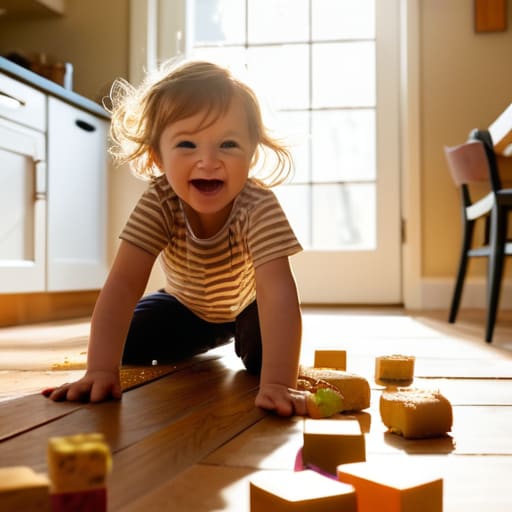
In the hospital, we talked about the long-term benefits of regular exercise in terms of cardiovascular health and bone density. It sounds very clinical, very clean. But when you’re standing in a kitchen with a four-year-old who has decided that moving their legs is a personal affront to their dignity, those statistics feel a world away. The textbooks focus on physical literacy development—the idea that kids need to master fundamental movements like hopping or throwing—but they rarely mention that most kids won’t even attempt a jump if they’re currently occupied with a half-eaten piece of toast.
The real challenge isn’t just about preventing a sedentary lifestyle; it’s about the constant, exhausting work of incorporating movement into the daily routine without it feeling like a chore. When my second child was three, I tried the “structured play” approach. I’d set out the soft play mats and the balls, feeling very much like a professional educator. It lasted exactly four minutes before he decided the most efficient way to use his energy was to see how many times he could headbutt the sofa. Realistically, movement happens in the gaps—the frantic dash to the park, the kitchen dance party, or the inevitable wrestling match on the rug.
Key Things to Know
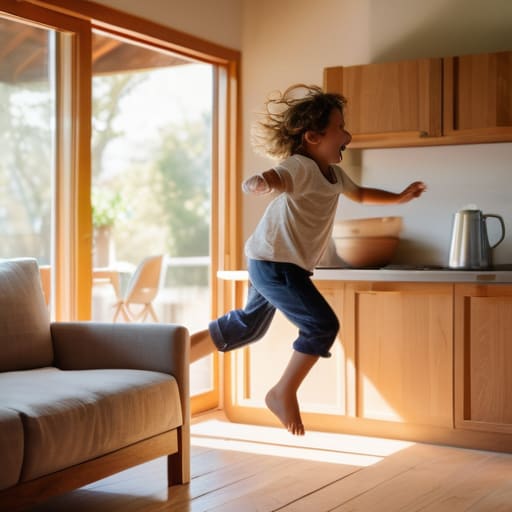
First, let’s look at the medical side, because that’s what the brochures focus on. The clinical goal is sedentary lifestyle prevention, which is a fancy way of saying we want to stop kids from becoming little statues glued to a screen. The benefits of regular exercise are well-documented—better sleep, better mood, stronger bones—but the textbooks tend to treat “exercise” like it’s a scheduled gym class. In reality, for a three-year-old, “exercise” is just a chaotic attempt to climb the sofa while you’re trying to make toast.
The second thing you need to grasp is that you aren’t training athletes; you are fostering physical literacy development. This isn’t about how fast they can run a lap, but about them feeling capable in their own skin. When my second child was four, I tried to force “structured play” every afternoon. It was a disaster. He didn’t want a drill; he wanted to run in circles until he fell over. The trick isn’t to force a routine, but to focus on incorporating movement into their daily routine in ways that feel like play, not a chore.
Practical Tips and Steps

First, let’s talk about the “scheduled activity” trap. The textbooks love to suggest structured play sessions or organized sports, but when you’ve got a four-year-old who has decided that wearing shoes is a personal affront to their dignity, a planned soccer drill is a recipe for a meltdown. Instead, I’ve found that incorporating movement into daily routine works much better. When my second child was three, we stopped trying to “exercise” and started “moving to the car” or “racing to the front door.” It sounds silly, but it bypasses the power struggle. You aren’t asking them to work out; you’re just making life a bit more kinetic.
Secondly, we have to look at the screens. We all know the goal is sedentary lifestyle prevention, but telling a seven-year-old to put down the tablet feels like asking them to give up a limb. I learned with my eldest that you can’t just subtract the screen; you have to add something better. We started a “movement snack” rule—five minutes of a silly dance or a quick game of indoor tag between episodes. It’s not about intense training; it’s about building active lifestyle habits for kids through small, manageable bursts that don’t feel like a chore.
Common Mistakes to Avoid
The biggest mistake I see—and I fell for this one with my second, who was about three—is treating movement like a scheduled chore or a formal lesson. We tend to think that if it isn’t a “gym class” or a structured football session, it doesn’t count. But when you try to force a kid into a rigid routine, they often just dig their heels in. You end up fighting them more than they are actually moving. Real physical literacy development isn’t about perfect form; it’s about them learning that their bodies can actually do things.
Another trap is the “all or nothing” mindset. You might read a paper on the benefits of regular exercise and feel like you’re failing if your child isn’t sprinting around a park for an hour every afternoon. When I was on the ward, I saw plenty of kids who were physically active but completely burnt out because their parents were over-scheduling every waking second. Don’t make movement another item on a stressful to-do list. If you try to turn every afternoon into an Olympic training camp, they’ll eventually just associate being active with being pressured.
Final Thoughts
If you’re sitting there feeling like you’ve failed because your four-year-old would rather watch a cartoon than run a lap around the garden, please take a breath. I’ve been there, usually at 6:00 PM when the house feels too small and the energy feels too high. The goal isn’t to turn them into miniature Olympians; it’s simply about incorporating movement into daily routine in a way that doesn’t feel like a chore for you or them. Whether it’s a frantic ten-minute dance party in the kitchen or a walk to the shops, these small wins are what actually build active lifestyle habits for kids over the long haul.
Don’t get caught up in the perfection of the “ideal” schedule. The textbooks focus heavily on sedentary lifestyle prevention, but they don’t mention that sometimes, the most productive thing you can do for your own sanity is to let them be still for a moment. Focus on the connection, not the calorie burn. When my second child was three, I stopped trying to force “exercise” and just started playing tag in the hallway. It was messy, it was loud, and it worked far better than any structured drill ever could.
Five ways to actually get them moving (without it becoming a battle)
- Stop calling it ‘exercise’ and just start moving with them. When my middle one was three, I tried to set up a ‘structured play session’ with a ball and a hoop, which lasted exactly ninety seconds before he decided he was done. The trick wasn’t the equipment; it was me getting on the floor and doing the ridiculous dance moves he wanted. If you’re moving, they’re usually following.
- Use the ‘micro-burst’ method for the high-energy/low-attention types. The textbooks love talking about sixty minutes of continuous play, but if you have a four-year-old with the attention span of a goldfish, that’s a fantasy. Instead, I found that five minutes of a ‘heavy work’ task—like helping me carry the laundry basket or pushing a heavy toy pram—works better than trying to force a long walk that ends in a tantrum ten minutes in.
- Forget the fancy gear; use the ‘obstacle course’ hack. You don’t need a climbing frame or a membership to a soft-play centre. When my oldest was five, we used sofa cushions, painter’s tape on the carpet, and a laundry basket to turn the hallway into a jungle trek. It costs nothing, and it turns ‘going for a walk’ (which they hate) into ‘an adventure’ (which they live for).
- Watch out for the ‘Screen-to-Sofa’ trap. It’s incredibly easy to let a tablet be the babysitter when you’re exhausted, but the physiological comedown from a high-stimulation cartoon makes physical activity feel physically impossible for a toddler. I learned the hard way with my second child that if we had a screen session, we needed a twenty-minute ‘buffer zone’ of something tactile—like playdough or even just some bubbles—before we could even attempt to get them out the door.
- Model the ‘boring’ movement. If you want them to be active, they need to see that movement isn’t a chore you do only when they are being supervised. When my kids were around six, I started making a point of doing my stretches or a quick bit of gardening while they were nearby. If they see you treating movement as a normal, slightly messy part of your day rather than a special event, they stop fighting it.
The Short Version (For When You’re Too Tired to Read)
Forget the “scheduled play” nonsense you see in the brochures; at this age, movement is just life. If they’re chasing the dog or even just aggressively rearranging the sofa cushions, they’re doing the work.
Consistency is a myth when you have more than one child. What worked for my second when he was eighteen months—a dedicated hour in the park—was a total non-starter with my third, who preferred to sit in the sandbox and contemplate a pebble for forty minutes. Meet them where they are, not where the manual says they should be.
Watch for the “overtired crash.” You can push physical activity all day, but once that window hits—usually around 6:30pm for my middle two—trying to get them to “burn off energy” is just a fast track to a meltdown that will last until midnight.
The Reality Check
If you try to implement everything we’ve discussed—the scheduled play, the structured outdoor time, the constant encouragement—all at once, you are going to burn out by Tuesday. I learned that the hard way with my second child, who was about eighteen months old and decided that “structured activity” was actually an invitation for a full-scale floor protest. The goal isn’t to turn your living room into a mini-gym or to become a professional referee for every game of tag. It is simply about finding those small, messy windows of movement that fit into your actual life, rather than the perfectly curated version found in parenting magazines. Focus on the consistency of small things rather than the perfection of big things; it’s the incremental wins that actually build a healthy habit over time.
At the end of the day, please remember that your child doesn’t need a fitness coach; they just need a parent who is willing to be a bit ridiculous with them. When I was working the night shifts on the ward, I saw plenty of kids who were physically “active” in clinical settings, but the ones who truly thrived were the ones who felt safe enough to play. If you end up spending forty minutes chasing a toddler around a garden just to avoid a meltdown, or if you end up dancing in the kitchen because it’s the only way to get through a rainy afternoon, you aren’t failing. You are doing the work. Give yourself some grace, because a happy, connected parent is worth far more than a perfectly active child.