
The Complete Guide to Family Holidays
If you search for a “complete guide to family holidays” online, you’ll mostly find glossy brochures and influencers smiling in sun-drenched villas, promising a seamless transition from your living room to paradise. They make it sound like a simple matter of booking the right flight and packing enough sunscreen. But they never mention the visceral panic of being three hours into a flight when your three-year-old decides that the concept of a seatbelt is a violation of their human rights, or the specific, hollow exhaustion of trying to find a kid-friendly restaurant in a foreign city at 8:00 PM when everyone is teething and hungry.
I’m not here to sell you on a dream that doesn’t exist. Instead, I want to give you the version of the truth that I learned while juggling four kids and a nursing degree: the one that actually works when things go sideways. I’ll share the logistical realities of travel, from what I learned when my eldest was two, to the survival tactics I use now. This isn’t about perfection; it’s about practicality over prestige, and knowing exactly when to push through the itinerary and when to just order the pizza and call it a day.
Table of Contents
- The Theory vs Reality a Complete Guide to Family Holidays
- Finding Family Vacation Destination Ideas That Actually Work
- Traveling With Toddlers Tips for When Everything Goes Wrong
- Packing Essentials for Kids Without Losing Your Sanity
- Affordable Family Travel Hacks for the Real World
- Stress Free Family Itineraries for the Half Past Two Am Reality
- Five Hard-Won Truths for the Departure Gate
- The Reality Check: Three Things to Carry Home With You
- The Reality Check: One Last Thought
The Theory vs Reality a Complete Guide to Family Holidays
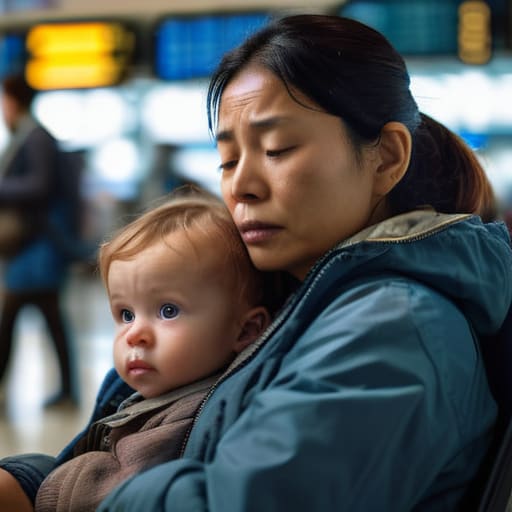
The brochures will show you a sun-drenched family laughing over a shared platter of tapas, all looking perfectly rested. That is the theory. The reality is usually a frantic search for a clean changing mat in a terminal that smells faintly of jet fuel, while your two-year-old decides that the only acceptable way to experience a flight is by testing the structural integrity of your shins. When I was nursing on the wards, I saw parents who looked like they’d gone ten rounds with a heavyweight; travel has a way of stripping you down to your most raw, sleep-deprived self.
If you want to survive, you have to stop aiming for the “perfect” trip and start aiming for the functional one. I’ve learned that the best traveling with toddlers tips usually involve accepting that your itinerary is actually just a series of well-timed snacks and naps. You can hunt for packing essentials for kids all day, but no amount of organized pouches will stop a meltdown if you try to cram a three-hour museum tour into a Tuesday afternoon. Real success isn’t a seamless itinerary; it’s making it to the hotel without anyone crying in a different language.
Finding Family Vacation Destination Ideas That Actually Work
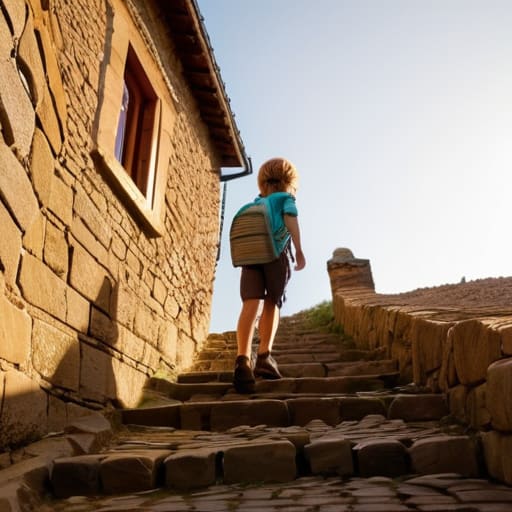
When you’re scrolling through Pinterest or those glossy travel blogs, every destination looks like a sun-drenched paradise of seamless transitions and smiling children. But when you’re looking for family vacation destination ideas, you have to stop looking at the photos and start looking at the logistics. I learned this the hard way with my second child, who was eighteen months old and possessed the navigational skills of a dizzy bumblebee. A beautiful, historic European city sounds lovely on paper, but if that city is essentially a series of endless cobblestone streets and narrow staircases, you aren’t on a holiday; you are on a tactical mountain expedition while carrying a heavy car seat.
The secret isn’t finding the “perfect” place—it doesn’t exist—it’s about choosing a location that offers a buffer for failure. I always look for places where a meltdown doesn’t result in a total logistical collapse. This means prioritizing destinations with high accessibility, reliable transport, or, ideally, a home base where you can retreat when the sensory overload hits. Whether you are attempting multigenerational travel planning or just a quick getaway with two small ones, look for the “escape hatches”: the nearby parks, the supermarkets that stock the specific brand of milk your toddler requires, and the quiet corners that aren’t built for crowds.
Traveling With Toddlers Tips for When Everything Goes Wrong
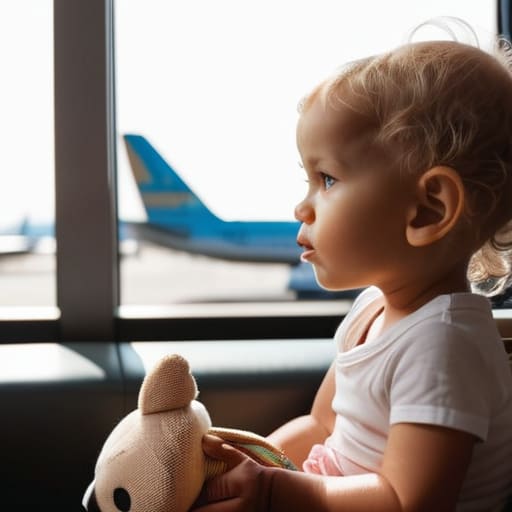
When you’re in the thick of it—usually standing in a terminal or a rental car lot, staring at a child who has decided that a nap is a physical impossibility—the “official” advice feels incredibly hollow. Most traveling with toddlers tips suggest keeping them occupied with “new toys,” but they don’t mention that a brand-new, noisy plastic gadget is often the exact thing that triggers a meltdown in a quiet airport lounge. My second child, Leo, was two when we learned this the hard way; we spent forty minutes in a high-stress standoff because I’d tried to be “clever” with a new activity during a flight. Now, I stick to the boring stuff: familiar, low-stakes items that don’t require a manual to operate.
The real secret isn’t about perfect planning; it’s about managing the inevitable collapse. When the schedule breaks—and it will—don’t try to force the stress-free family itineraries you spent weeks perfecting. If the toddler is screaming in a restaurant, just leave. The food isn’t worth the cortisol spike. I’ve learned that a successful trip isn’t measured by how many landmarks you see, but by whether everyone is still talking to each other by day three.
Packing Essentials for Kids Without Losing Your Sanity
The medical textbooks and the glossy travel blogs will give you a list of packing essentials for kids that looks remarkably tidy: a change of clothes, a sun hat, and a favourite book. But those lists assume your child is a calm, predictable entity. When I was navigating my first big trip with my eldest, who was about eighteen months at the time, I learned that the most important thing you can pack isn’t a toy, but a buffer against chaos. This means more snacks than you think you need and a “novelty bag” filled with cheap, useless trinkets from a pound shop. When the plane hits turbulence or the hotel room isn’t what was promised, that three-minute distraction of a plastic dinosaur is often the only thing standing between you and a full-scale meltdown.
I also learned the hard way that “less is more” is a lie told by people who don’t have children. You don’t need a suitcase full of outfits, but you absolutely need the emergency kit. For me, that’s a dedicated pouch containing child-safe paracetamol, antiseptic wipes, and those little hydration salts. When you’re halfway across the world and your toddler develops a sudden, inexplicable fever at midnight, you don’t want to be hunting through a disorganized backpack for a thermometer. Pack for the reality of a messy, unpredictable human, not the idealized version you see in the brochures.
Affordable Family Travel Hacks for the Real World
The brochures love to talk about “budget-friendly luxury,” but when you’re looking at the cost of feeding four growing humans, that’s usually a fairy tale. If you want actual affordable family travel hacks, start by looking at your accommodation through a different lens. When my second child was three, I learned the hard way that a hotel room is a beautiful prison if you can’t find a way to make a sandwich without someone screaming. Aim for apartments or rentals with a kitchenette. It sounds like more work, but being able to boil a kettle for a bottle or heat up some pasta at 7:00 PM saves a fortune and, more importantly, saves your sanity when the “authentic local cuisine” turns out to be too spicy for a toddler.
Don’t fall into the trap of thinking you need a massive, expensive itinerary to make it a “real” holiday. In fact, stress-free family itineraries are usually the ones that leave plenty of blank space. I used to try and book every museum and tour, only to find myself dragging a crying four-year-old through a gallery. Now, I plan for one “big” thing a day and leave the rest to chance. It’s cheaper, and it keeps you from burning out before you’ve even reached the coast.
Stress Free Family Itineraries for the Half Past Two Am Reality
The mistake most people make with stress-free family itineraries is thinking they are planning a trip for adults that happens to include children. If you look at a brochure, it’ll suggest a museum tour followed by a historic walking tour. That sounds lovely on paper, but if you’ve ever tried to navigate a cobblestone street in Rome with a three-year-old who has just decided they are done with walking, you know that’s a recipe for a public breakdown. My second child, Leo, was four when we tried a “structured” sightseeing day in London; he spent the entire afternoon sitting on a damp curb eating a single biscuit, while I tried to explain the significance of a statue to a person who was primarily interested in a pigeon.
The trick is to build your day around the “anchor points”—the naps, the meals, and the inevitable mid-afternoon slump. Instead of a list of sights, think of your itinerary as a series of low-stakes options. If the morning goes well, great, you hit the park. If it goes sideways, you head straight back to the accommodation. True traveling with toddlers tips usually boil down to this: build in more buffer time than you think you need, and always, always have a “Plan B” that involves a snack and a quiet corner.
Five Hard-Won Truths for the Departure Gate
- The “One Big Thing” Rule. When I was a nurse, I saw how much stress a rigid schedule caused families. When I have my four, I’ve learned that if you try to do a museum, a beach, and a landmark in one day, you aren’t making memories; you’re just managing a crisis. Plan one main event for the day—something that actually matters—and let everything else be a “maybe.” If the four-year-old decides they’d rather stare at a pebble for forty minutes, let them. The pebble isn’t going anywhere, and neither is the itinerary.
- The Sleep Strategy (or Lack Thereof). The travel brochures will tell you that your child will “settle into the new routine” within forty-eight hours. They are lying. My second child, who was about eighteen months old at the time, treated a hotel room like a high-stakes wrestling arena. Don’t fight the inevitable sleep regression that happens when you change environments. Pack the familiar: the specific worn-out teddy, the same scent of laundry detergent if you can manage it, and the realization that a slightly tired child is better than a parent who has lost their mind trying to enforce a 7:00 PM bedtime in a foreign country.
- The Emergency “Sanity Kit.” This isn’t just about nappies and wipes. It’s about the stuff that works when the plane is delayed or the rental car breaks down. For my oldest, who was six, it was a brand new, cheap coloring book he’d never seen before. For the toddlers, it was the “emergency snack”—something they usually aren’t allowed to have, like a specific type of fruit snack, used purely as a tactical distraction. If you’re down to your last bit of patience, use the good stuff. Save the treats for the moments when the world feels like it’s collapsing.
- Accept the “Failure Mode” Early. There is a specific kind of grief that happens when you see a “perfect” family on Instagram and then look at your own child, who is currently smeared in pasta sauce and refusing to wear shoes. I call this the Failure Mode. When it happens—and it will, likely around hour three of any journey—don’t try to fix it with more logic. You cannot reason with a three-year-old about the logistics of airport security. Just acknowledge that it’s gone wrong, find a corner, and wait for the storm to pass.
- The Buffer Zone. In the hospital, we never scheduled appointments back-to-back because we knew something would always go wrong. Apply this to your holiday. If it takes thirty minutes to get to the park, budget sixty. If the flight is at noon, aim to be at the airport three hours early. That extra hour isn’t “wasted time”; it is your insurance policy against the inevitable meltdown, the lost shoe, or the sudden realization that you’ve forgotten the toddler’s favorite blanket.
The Reality Check: Three Things to Carry Home With You
Abandon the “perfect itinerary” delusion. In my nursing days, I saw how quickly a controlled environment falls apart; travel is no different. Plan for one “big” thing a day, and treat everything else as a lovely bonus if the kids haven’t decided the hotel breakfast is an act of war.
Pack for the child you actually have, not the one you wish you had. If your four-year-old is the type who needs a specific, battered teddy to sleep, that teddy is more important than three extra changes of clothes. Practicality beats “preparedness” every time.
Build in “buffer time” that isn’t just a gap in the schedule, but a mental safety net. When you’re standing in an airport lounge at 3:00 AM with a screaming toddler, you don’t need a better plan; you need the grace to accept that today is going to be a bit rubbish, and that’s perfectly okay.
The Reality Check: One Last Thought
If you’ve followed this guide, you’ll have a plan that covers everything from the budget-friendly hacks to the specific, frantic gear you need for a toddler meltdown in a foreign airport. You know how to balance the official itinerary with the biological reality of a four-year-old who hasn’t napped. But even with the best packing list and the most sensible destination, things will go sideways. The flight will be delayed, the “kid-friendly” restaurant will be a loud disaster, and you will likely find yourself sitting on a hotel floor at midnight, wondering why you didn’t just stay home. Just remember: the plan is a scaffold, not a cage. It is there to support you, but it is perfectly okay to let it collapse when the real human element takes over.
When I was nursing on the paediatric ward, I saw parents at their absolute breaking point, often because they were trying to force a “perfect” holiday experience onto children who were simply tired, hungry, or overwhelmed. My advice to you is this: forgive yourself for the chaos. The most important thing you are bringing on this trip isn’t the specialized snacks or the carefully curated activities; it is your own presence. Ten years from now, your kids won’t remember if the museum was educational or if the flight was on time, but they will remember how you handled the mess. So, pack the extra wipes, lower your expectations, and embrace the beautiful, exhausting reality of traveling together.