
Toddler Regression When the Baby Arrives
The parenting books will tell you that the key to a smooth transition is “structured sibling integration” and “maintaining consistent routines to prevent jealousy.” They make it sound like you just need a better color-coded calendar and perhaps a high-end Montessori toy to keep the firstborn occupied while you bond with the newborn. But let’s be honest: no amount of careful scheduling is going to stop a two-year-old from having a total meltdown because you dared to pick up a tiny, screaming human instead of them. When you are actually figuring out how to handle a second child arriving, the reality isn’t a series of gentle transitions; it’s usually a frantic attempt to stop someone from eating a crayon while you try to unblock a nursing session.
I’m not going to give you the polished, theoretical version of this experience. I’ve spent eleven years on a paediatric ward seeing what happens when things go wrong, and four years at home seeing how the “expert” advice fails when you’re sleep-deprived and outnumbered. Instead, I’m going to give you the unfiltered truth: the specific age-based tactics that actually worked for my kids, the things worth worrying about, and the things you can safely ignore. We’re going to talk about what happens when the plan falls apart, and how to survive it.
Table of Contents
- The Manual Says One Thing but the Reality Is Much Messier
- How to Handle a Second Child Arriving Without Losing Your Mind
- Preparing Your Toddler for New Baby Realities and Sudden Shifts
- Sibling Rivalry Prevention What the Evidence Misses at 3 Am
- Transitioning From One to Two Children Without Constant Chaos
- Managing Parental Burnout With Two Kids and Zero Sleep
- Five things that actually help when the house starts feeling too small
- The Bare Essentials for Staying Sane
- The View from the Other Side
The Manual Says One Thing but the Reality Is Much Messier

The textbooks and the glossy parenting blogs love to talk about preparing your toddler for a new baby through structured play and “special sibling bonding activities.” They make it sound like if you just buy enough wooden blocks and read enough stories about big brothers and sisters, the transition will be a seamless, heartwarming montage. But they don’t account for the fact that a two-year-old doesn’t care about your carefully curated developmental milestones; they care that the person who used to carry them exclusively is now preoccupied with a screaming, tiny stranger.
In my experience—and I’m talking about when my second was four months old and my first was a relentless, sleep-deprived whirlwind—the theory of transitioning from one to two children falls apart the moment the first real crisis hits. You can plan for the baby arrival routine changes all you want, but no manual prepares you for the guilt of realizing you’re accidentally rewarding the toddler’s tantrums just because you’re too exhausted to fight them. It isn’t about perfect implementation; it’s about surviving the shift from being a parent to being a manager of chaos.
How to Handle a Second Child Arriving Without Losing Your Mind

If you’re looking for a foolproof method for preparing a toddler for a new baby, I’m going to disappoint you: there isn’t one. You can read all the books you want about “sibling bonding activities” or involving the eldest in diaper changes, but when the newborn is actually screaming and the toddler is having a meltdown because their toast was cut into triangles instead of squares, those activities feel a world away. My second, Leo, was eighteen months old when we brought his sister home. I thought I’d prepared him, but within forty-eight hours, he was convinced the baby was a loud, fleshy intruder sent specifically to steal his toys.
The secret isn’t in the perfect preparation; it’s in managing parental burnout with two kids by lowering your standards. You cannot be the “perfect” parent to two children simultaneously. Some days, that means the toddler watches an extra hour of television so you can actually feed the baby without a catastrophe unfolding, or you accept that the house will look like a bomb hit a toy shop. Survival is the metric here, not perfection. If everyone is fed and relatively safe by sunset, you’ve won the day.
Preparing Your Toddler for New Baby Realities and Sudden Shifts
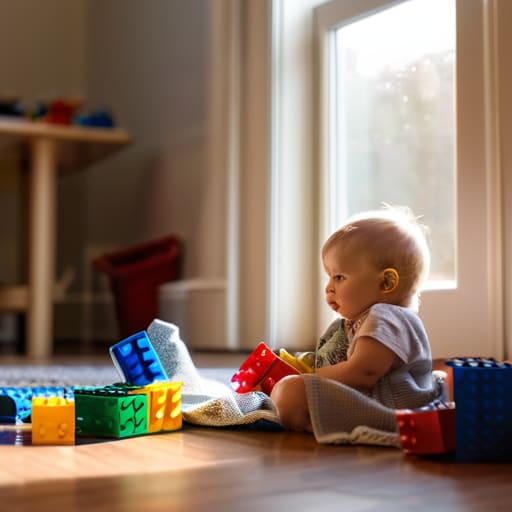
The books will tell you that preparing a toddler for a new baby involves reading picture books about big brothers and sisters or letting them “help” by picking out a rattle. You can do those things—they’re fine—but they won’t stop the meltdown when they realize the new human is actually taking up your hands. When my second arrived, I tried the “gentle transition” approach, only to find my two-year-old convinced the baby was a thief sent specifically to steal his Lego. The reality of transitioning from one to two children isn’t a smooth glide; it’s more like a sudden, jarring shift in the gravity of your entire household.
Instead of focusing on grand gestures, focus on the small, predictable wins. I found that keeping certain baby arrival routine changes strictly separate from the toddler’s world worked best. If the baby is napping, don’t force the toddler to be quiet; let them be loud in the other room. Don’t aim for perfect sibling bonding activities right away; aim for survival. When my third came, I stopped trying to “fix” the jealousy and instead focused on ensuring my toddler still had ten minutes of undivided, eye-contact-heavy time before bed. That’s where the real connection happens, not in a staged photo op with a newborn.
Sibling Rivalry Prevention What the Evidence Misses at 3 Am
The clinical literature on sibling rivalry prevention is remarkably tidy. It suggests that if you involve the older child in “helping” with the baby, or if you ensure they have “special one-on-one time” every single day, the transition will be seamless. I believed that. I really did. I had my spreadsheets and my mental checklists ready for when my second arrived.
But the evidence doesn’t account for the sheer, visceral grief a two-year-old feels when they realize they are no longer the sun around which your entire universe orbits. When I was dealing with my second, the “special time” I had planned usually evaporated because the newborn was screaming, the toddler was throwing a block at my head, and I was too busy managing parental burnout with two kids to remember where I’d put my coffee.
The reality is that your child isn’t being “naughty” or “manipulative”; they are reacting to a massive, sudden shift in their ecosystem. Sometimes, the best thing you can do isn’t a structured activity, but simply sitting on the floor in the chaos and letting them be angry that the world has changed.
Transitioning From One to Two Children Without Constant Chaos
The clinical approach to transitioning from one to two children usually involves a tidy checklist: read books, visit the hospital, introduce the baby gently. But when you’re actually in the thick of it, the “gentle introduction” often looks more like a toddler screaming because you’ve dared to pick up a diaper bag. I remember with my second, Leo—who was eighteen months at the time—the sheer logistical terror of trying to maintain a predictable baby arrival routine changes while my brain was essentially a fog of sleep deprivation. You can’t schedule the chaos, so stop trying to perfect the transition and start focusing on lowering the stakes.
Instead of aiming for a seamless shift, aim for survival. This means accepting that your house will be messier and your patience thinner for a few months. I found that the best way to mitigate the fallout wasn’t through elaborate sibling bonding activities that felt forced and fake, but by simply including the older one in the small, mundane moments. When my eldest was two, I started letting him “help” by handing me a clean wipe or choosing which onesie the baby wore. It’s not a magic fix for managing parental burnout with two kids, but it keeps the older child from feeling like a spectator in their own life.
Managing Parental Burnout With Two Kids and Zero Sleep
When I was a nurse, I used to watch parents walk into the ward with that specific look—the one where their eyes are glazed and they haven’t quite processed that they’re standing in a hospital. Now, with two kids under three, I recognize that look in the mirror every single morning. The medical literature talks about “stress management,” but that feels like a joke when you are managing parental burnout with two kids and the baby has just discovered how to scream at a frequency that vibrates your very soul. You aren’t just tired; you are experiencing a fundamental depletion of your capacity to care.
The mistake we make is trying to maintain the “perfect” version of ourselves during this transition. We try to keep the house spotless or ensure every baby arrival routine change is executed with surgical precision. It doesn’t work. When I had my second, I spent three weeks trying to be the “organized parent,” only to end up weeping over a spilled bowl of porridge. The reality is that survival is a valid parenting strategy. If the kids are fed and relatively safe, you have succeeded for the day. Sometimes, the most productive thing you can do is let the laundry pile up so you can sit in silence for ten minutes.
Five things that actually help when the house starts feeling too small
- Lower your expectations for “quality time.” The books suggest dedicated, uninterrupted play sessions to reassure the eldest, but when you’re nursing a newborn and the toddler is having a meltdown because their toast was cut into triangles instead of squares, that’s not happening. Instead, aim for “micro-moments”—five minutes of sitting on the floor while the baby is in the bouncer, just being present. It’s not the grand gesture the manuals promise, but at eighteen months, they just need to know you haven’t disappeared.
- Stop trying to maintain the “old” routine. I spent my first few weeks with my second trying to keep the exact same nap and meal schedule I had with my first. It was a disaster. The reality is that the schedule is going to break. Accept that the house will be messier and the meals will be simpler. When I had my third, I stopped trying to cook real dinners and lived on “assembly meals”—things you just put on a plate without a pan—and it saved my sanity.
- Build a “triage” system for your attention. In the hospital, we triaged based on urgency; at home, you have to do the same. If the baby is crying but safe in the crib, and the toddler is crying because they want a specific toy, you go to the toddler first. It feels counter-intuitive, but if you can settle the older child quickly, you prevent the escalation that leads to a full-blown household crisis. It’s about preventing the fire, not just putting it out.
- Accept that “jealousy” is often just exhaustion in disguise. When your toddler starts acting out or becomes suddenly clingy, don’t immediately label it as a psychological sibling rivalry issue. Often, they are just tired, overstimulated, or missing the predictable rhythm of life before the baby arrived. When my second was ten months old, she became incredibly physical—biting and hitting. It wasn’t that she hated the baby; she was just too tired to regulate her own body.
- Find your “non-negotiable” person. You cannot do this on willpower alone. Whether it’s a partner, a grandparent, or a neighbor, you need one person who can step in for a specific, timed window—say, forty-five minutes on a Saturday morning—where you are not “on call.” You need to be able to step out of the house or into a room where no one is touching you or asking for a snack. If you don’t schedule that reset, you’ll hit a wall, and it usually happens around week six.
The Bare Essentials for Staying Sane
Lower your expectations of “perfection” immediately. The clinical guidance on maintaining strict routines for the older child is lovely in a textbook, but when you’re dealing with a newborn’s feeding schedule and a toddler’s meltdown, “good enough” is the only way to survive the first month without a total breakdown.
Focus on micro-moments of connection rather than grand gestures. You don’t need an expensive “big sibling” gift; you need ten minutes of undivided attention with your firstborn while the baby is safely in the bassinet. I learned with my second, when he was eighteen months, that five minutes of focused play was worth more than an hour of trying to force him to “help” with the baby.
Learn to distinguish between a “call the pediatrician” worry and a “this is just exhausting” worry. Most of the chaos that follows a second arrival isn’t a medical emergency or a sign of permanent psychological damage to your toddler—it’s just the sound of a family recalibrating. If they are breathing, eating, and occasionally smiling, you can usually afford to sleep through the chaos.
The View from the Other Side
If you try to carry all the advice from the books, the clinical checklists, and the well-meaning relatives, you are going to drop something. You’ll drop the laundry, you’ll drop the schedule, and eventually, you’ll feel like you’re dropping the ball on your kids. But here is the truth I learned both on the ward and in my own living room: perfection is a myth that only serves to make you feel exhausted. You cannot prevent every tantrum, and you cannot perfectly manage the transition for your firstborn. What you can do is prioritize the basics—feeding yourselves, finding pockets of sleep when the chaos subsides, and remembering that survival is a valid goal during those first few months. The evidence says children need stability, but my experience says they mostly just need you to eventually show up, even if you’re covered in spit-up and running on four hours of interrupted sleep.
There will be nights, usually around month three, when you sit in the dark wondering how on earth you are going to manage this forever. I have been there, usually with a crying newborn in one arm and a toddler demanding a specific blue cup in the other. But I promise you, the fog eventually lifts. The frantic, disjointed energy of a house with two children eventually settles into a new, albeit louder, rhythm. You will find your footing, and you will see those two children—who currently seem like they are competing for every scrap of your attention—eventually become a team. It doesn’t happen overnight, and it certainly doesn’t happen according to the manual, but it does happen. Hang in there; you are doing a much better job than you think you are.