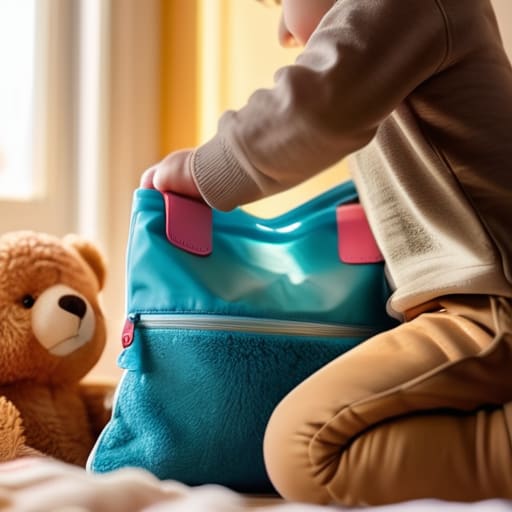
Preparing a Toddler for Their First Nursery Day
If you spend any time on parenting forums, you’ll see people suggesting you need a “transition curriculum” or a bespoke sensory kit to get your toddler ready for their first big step. They make it sound like you’re preparing an astronaut for a lunar mission rather than a three-year-old for a room full of plastic dinosaurs and slightly damp finger paintings. Honestly, most of the expensive advice on how to prepare for nursery or preschool is just noise designed to make you feel like you’re failing if you haven’t mastered “structured play” by Tuesday. I spent eleven years on a paediatric ward seeing kids go through massive life shifts, and I can tell you that a $50 educational toy won’t do a thing if your child is too overwhelmed to even find their own shoes.
I’m not here to give you the polished, textbook version of readiness. Instead, I’m going to give you the actual roadmap—the one that includes what to do when the inevitable meltdown happens during drop-off and how to handle the sudden, frantic demand for “one more cuddle” before they leave. I’ll share what worked for my own four kids at various ages, and more importantly, what failed miserably. We’ll focus on the practical stuff that actually matters, so you can stop worrying about the “perfect” transition and start focusing on just getting through it together.
Table of Contents
- The Manual Says One Thing the 200 Am Reality Says Another
- How to Prepare for Nursery or Preschool Without Losing Your Mind
- Toddler School Readiness Skills That Actually Matter in Real Life
- Managing Separation Anxiety in Children When Everything Falls Apart
- Nursery School Routine Examples for the Chaos of Real Mornings
- An Essential Preschool Supplies Checklist for Survival Not Just School
- Five Things to Actually Do Before the First Day
- The Survival Summary
- The Final Shift
The Manual Says One Thing the 200 Am Reality Says Another

The official literature loves the term “toddler school readiness skills.” It makes it sound like a checklist: can they use a spoon? Can they follow a two-step instruction? Can they sit in a circle for five minutes? If you follow the manual, you’ll spend your evenings practicing these little milestones, feeling like you’re ticking boxes. But the manual doesn’t account for the fact that your two-year-old might be a scholar in the daylight and a complete stranger to logic the moment you approach the nursery gates.
In my experience—and by experience, I mean the kind involving tears and a very cold cup of tea—the real battle isn’t about whether they can hold a crayon. It’s about managing separation anxiety in children when the “routine” you spent weeks perfecting collapses because they’ve decided today is the day they simply cannot exist without your physical presence. You can have the most perfect nursery school routine examples printed out and color-coded, but they won’t stop the frantic clinging to your leg at 8:45 AM. Sometimes, the most important preparation isn’t a skill they learn, but your own ability to stay calm when the “preparedness” fails.
How to Prepare for Nursery or Preschool Without Losing Your Mind

If you start looking up toddler school readiness skills, you’ll find endless lists of things like “sharing” or “following instructions.” While those are great in theory, my experience—both on the ward and in my own living room—is that readiness is less about academic milestones and more about the small, boring stuff. It’s about whether they can pull their own trousers up or if they can tolerate sitting at a table for ten minutes without a meltdown. Start practicing these tiny wins now. When I was prepping my second, we didn’t do “lessons”; we just practiced putting on shoes while I made toast. It sounds insignificant, but it builds the kind of confidence that actually matters when they’re faced with a room full of strangers.
Don’t get bogged down in the perfect essential preschool supplies checklist either. You’ll see ads for ergonomic backpacks and fancy sensory kits, but honestly? Most of that is noise. What actually helps with managing separation anxiety in children is familiarity. Bring a piece of home with them—a specific blanket or a worn-out teddy—and don’t feel guilty about it. The goal isn’t to raise a tiny, independent soldier; it’s to help them feel safe enough to eventually explore.
Toddler School Readiness Skills That Actually Matter in Real Life

When you look at those glossy “school readiness” checklists, they’re often obsessed with things like colour recognition or counting to ten. Don’t get me wrong, knowing their colours is lovely, but when I was working on the ward, I saw that the real toddler school readiness skills aren’t academic at all. It’s about the ability to sit in a circle for five minutes without trying to eat a neighbour’s sleeve, or the grit required to handle a sudden change in plan. My second child, Leo, was a genius with blocks at eighteen months, but he had zero concept of waiting his turn, which made the transition to his playgroup a total battlefield.
The stuff that actually saves your sanity is the practical, unglamorous side of things. Can they pull their own trousers up? Can they communicate when they’re hungry or, more importantly, when they’ve had an accident? Focusing on these small wins is one of the best transitioning to childcare tips I can give you. It isn’t about being “academic”; it’s about building the functional independence that keeps them from feeling overwhelmed when you aren’t there to do everything for them.
Managing Separation Anxiety in Children When Everything Falls Apart
The textbooks will tell you that “predictable routines” and “positive reinforcement” are the keys to managing separation anxiety in children, but they don’t mention the sheer, gut-wrenching feeling of watching your child scream as if you’re abandoning them in a war zone. I remember when my second, Leo, was two and a half; he didn’t just cry, he went limp, a dead weight of pure protest that made me want to turn the car around and go home. You can prepare all the toddler school readiness skills you like—potty training, sharing, following instructions—but none of that matters when the biological instinct to cling to your leg kicks in.
The trick isn’t to avoid the tears; it’s to be the person who stays steady while they happen. When I was nursing on the paediatric ward, I saw how much a calm, decisive adult could settle a panicked child. Don’t linger at the door for twenty minutes trying to negotiate with a toddler; that just stretches the agony. Give a firm, loving goodbye, tell them exactly when you’ll be back (use concrete terms like “after snack time,” not “in a little while”), and walk away. It feels cruel, but it’s the kindest thing you can do.
Nursery School Routine Examples for the Chaos of Real Mornings
If you look at any parenting blog, they’ll tell you that a successful transition relies on a “structured, predictable morning sequence.” They make it sound like a choreographed ballet. In reality, my second child, Leo, was four when we finally mastered a morning that didn’t involve someone crying over a lost sock or a refusal to wear trousers. The secret isn’t a rigid schedule; it’s about reducing the number of decisions you have to make while you’re both half-asleep.
For one, try the “Uniform Prep” method: lay everything out—including the socks and the specific shoes they insist on—the night before. This is one of those practical transitioning to childcare tips that actually saves your sanity. Another approach is the “Visual Timeline.” I used a simple drawing of a breakfast bowl, a toothbrush, and a coat for my oldest. It gave them a sense of agency without you having to nag. These aren’t perfect nursery school routine examples that will work every single day, but they provide a scaffolding for the chaos. Some mornings, the routine will hold; other mornings, you’ll be lucky if everyone is wearing shoes by the time you hit the car.
An Essential Preschool Supplies Checklist for Survival Not Just School
If you look at a glossy “back to school” advertisement, they’ll tell you they need a designer backpack, a matching lunchbox, and a curated set of stationery. Forget that. When you’re putting together an essential preschool supplies checklist, you aren’t shopping for a fashion show; you are building a survival kit for a tiny human who is about to navigate a very loud, very unpredictable new world. My second child, Leo, was three when he started, and I learned the hard way that a fancy water bottle is useless if it’s too complicated for his small hands to open when he’s mid-meltdown.
Focus on the practicalities that actually help with managing separation anxiety in children. This means having a “comfort object” that is small enough to fit in a cubby but significant enough to provide solace. Invest in spare clothes—more than you think you need—because “accidents” don’t follow a schedule. Get high-quality, easy-to-fasten shoes; if they can’t do it themselves, they’ll end up sitting by the door waiting for a teacher who is currently busy with five other kids. Aim for gear that survives the washing machine and the playground, not gear that looks good on Instagram.
Five Things to Actually Do Before the First Day
- Practice the “Uncomfortable Clothing” Test. The handbook says they need to be independent, but what that actually means is they need to be able to pull up their own trousers without needing a degree in engineering. When my second was three, we spent a week practicing with their actual nursery clothes. If they can’t get their socks on while you’re standing there looking slightly impatient, it’s going to be a rough morning.
- The “Goodbye” Rehearsal. Don’t make the first day a grand, dramatic farewell. I’ve seen it on the wards and I’ve lived it at home: the longer the goodbye, the bigger the meltdown. Practice short, confident exits. Tell them, “I am going to work, and I will be back after your snack,” and then actually leave. Even if they scream—and they might—the consistency of your return is more important than the perfection of the exit.
- Master the Low-Stakes Routine. You don’t need a military-grade schedule, but you do need a predictable sequence. For my oldest, at age two, we started “the countdown” two weeks early—using the same breakfast and the same shoes we’d use on the actual first day. It’s not about the time on the clock; it’s about the brain recognizing the pattern so the transition doesn’t feel like a sudden shock to the system.
- Build a “Social Battery” Buffer. Nursery is loud, bright, and exhausting in a way that most of us don’t experience until we’re in a crowded pub. If you can, start introducing more structured play or slightly longer stints away from you a few weeks prior. I found that at age three, my kids needed a “quiet hour” immediately after their first few nursery sessions just to decompress from the sensory overload.
- Prepare Your Own Mental Toolkit. This isn’t a tip for the child, it’s for you. You will feel like you are abandoning them, especially if they are crying. You will feel like a failure if they don’t settle immediately. I tell parents this all the time: your child’s distress is not a reflection of your parenting; it is a reflection of their transition. Pack your own “emergency” coffee and a plan for the post-drop-off slump, because you’ll need it as much as they do.
The Survival Summary
Forget the “perfect” transition; focus on the basics of predictability. Whether it’s a consistent bedtime or a specific way you say goodbye, children don’t need a polished schedule—they need to know what comes next so they don’t feel like the floor is dropping out from under them.
Skills aren’t just about ABCs or holding a pencil. At age three, “readiness” looks a lot more like being able to tell an adult when they’ve had an accident or having the grit to try putting on a coat by themselves, even if it takes five minutes of frustration.
Give yourself the same grace you’d give a parent on my old ward. If the first week involves more tears, more missed naps, or a complete breakdown of your morning routine, you aren’t failing; you’re just navigating the messy gap between the textbook and real life.
The Final Shift
If you’ve followed everything we’ve talked about—the checklists, the routine tweaks, and the attempts to build “independence”—you might still feel like you’re standing on the edge of a cliff. You’ve packed the spare clothes, you’ve practiced the goodbye rituals, and you’ve tried to prep them for the social chaos of a classroom. But here is the truth from someone who has seen it all from both the clinical side and the exhausted-parent side: none of these preparations will make the first day perfect. There will be a missed nap, a lost jumper, or a sudden, inexplicable meltdown over a specific brand of juice box. That isn’t a sign that you failed to prepare; it is simply the messy, unpredictable reality of being a small person in a big world.
When that first morning arrives and the tears start—either yours or theirs—just remember that you are doing a much better job than the textbooks give you credit for. You don’t need to be a perfect strategist; you just need to be the person who shows up, holds the hand, and stays steady when things get wobbly. My second child didn’t settle until week three, and by then, I’d already convinced myself I was doing something fundamentally wrong. I wasn’t. I was just parenting. Take a breath, grab a decent cup of coffee, and trust that they are more resilient than you think. You’ve got this.