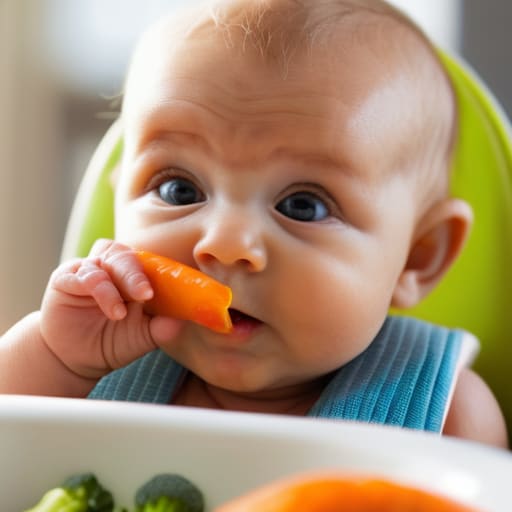
Starting Solids: Signs of Readiness, Not a Date
If you’ve spent any time on Instagram lately, you’ve probably seen the “aesthetic” version of weaning: a pristine, minimalist kitchen, organic bamboo sets, and a baby calmly accepting a single, perfectly mashed organic sweet potato. It’s a lie. When I was figuring out how to start weaning with my eldest, my version looked less like a lifestyle shoot and more like a crime scene investigation. I remember sitting on the kitchen floor at 6:00 PM, covered in a fine mist of carrot puree, wondering why the “expert” guide I’d read said this was supposed to be a milestone of joy rather than a high-stakes battle of wills.
I’m not here to sell you a specific brand of silicone spoon or a rigid, six-month schedule that ignores the reality of a teething toddler. What I am going to give you is the bridge between the clinical guidance I used to hand out on the paediatric ward and the actual chaos of feeding a human being who has no interest in your nutritional goals. I’ll tell you what the science says about iron and textures, but I’ll also tell you what to do when they decide they’d rather eat the floor than the broccoli.
Table of Contents
- The Textbook vs the Reality How to Start Weaning
- Reading the Signs of Baby Readiness for Solids
- Baby Led Weaning vs Purees Choosing Your Battle
- Safe First Foods for Infants and Mid Meal Meltdowns
- Introducing Allergens to Baby Without the Panic
- Texture Progression and the Messy Complementary Feeding Milestones
- Five Things the Manual Forgot to Mention
- The Reality Check: Three Things to Carry With You
- The Messy Truth About Moving Forward
The Textbook vs the Reality How to Start Weaning
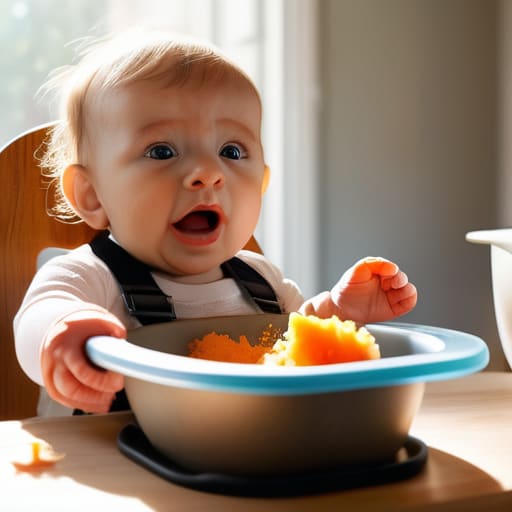
The textbooks will give you a tidy checklist of signs of baby readiness for solids: sitting up, good head control, and that curious interest in your dinner. In a clinical setting, it looks like a neat transition. In my kitchen, with my eldest at six months, it looked like a tactical war zone. You’ll read about the importance of complementary feeding milestones, but no one mentions the sheer, soul-crushing exhaustion of trying to maintain a “structured schedule” when your baby has decided that the only thing they want to eat is the corner of your sleeve.
Then you hit the great debate: baby led weaning vs purees. The literature makes it sound like a simple choice of philosophy, but the reality is much messier. One day you’re meticulously spoon-feeding smooth textures, feeling like a professional, and the next, you’re staring at a floor covered in smashed avocado and wondering why your child is treating a piece of steamed carrot like a projectile. There is no perfect way; there is only the way that doesn’t result in a breakdown by 7:00 PM.
Reading the Signs of Baby Readiness for Solids
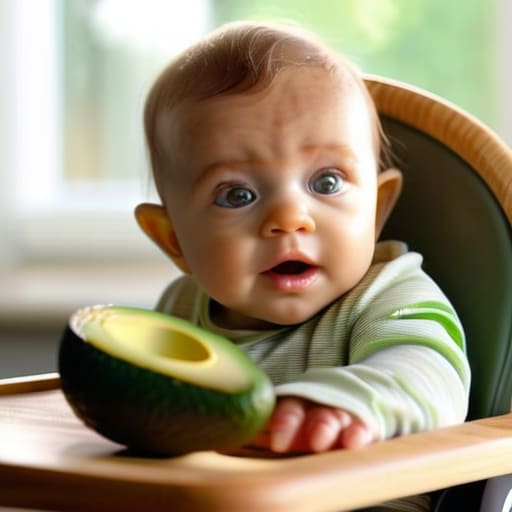
The official guidance—the kind you’ll see on the posters in the paediatric ward—is very clear about the milestones. They’ll tell you to look for sitting up unassisted, good head control, and that loss of the tongue-thrust reflex. And they’re right; those are the non-negotiable signs of baby readiness for solids. If they can’t hold their head steady, they aren’t ready to navigate a spoon or a piece of avocado, and trying to force it is just a recipe for a very stressful afternoon.
But when I was nursing, I saw parents staring at these checklists like they were passing a medical exam, feeling like failures because their six-month-old was still a bit wobbly. The reality is that readiness isn’t a light switch; it’s more like a dimmer. My second child, Leo, hit all the physical markers at six months, but he had zero interest in anything but milk. He’d watch me eat with intense curiosity, but the moment a spoon approached, he’d shut down. We waited another three weeks. Don’t let the rigid timelines make you feel like you’re behind; listen to the baby in front of you, not just the manual.
Baby Led Weaning vs Purees Choosing Your Battle
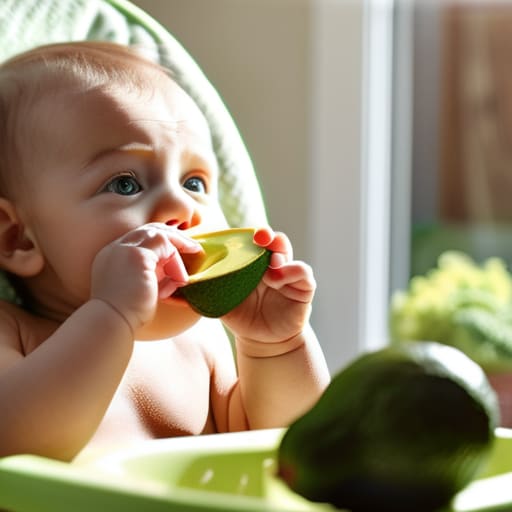
This is where the internet wars begin. You’ll find two camps: the purees brigade, who believe in smooth, controlled spoonfuls, and the Baby Led Weaning (BLW) enthusiasts, who swear by letting your child grab a steamed broccoli stalk and go to town. If you look at the clinical guidelines for baby led weaning vs purees, the evidence suggests that both can work, provided you’re meeting those essential complementary feeding milestones. But the textbooks don’t mention the sheer, unadulterated stress of watching your ten-month-old try to shove a whole avocado into their mouth while you hover, praying they don’t choke.
In my experience—and I’m looking at my second child, who was a fierce BLW advocate until he decided he only wanted liquid—it doesn’t have to be an all-or-nothing choice. You can do a hybrid approach. I started my third with soft, mashed textures to build some confidence, then introduced finger foods once they had the dexterity. The goal isn’t to pick a side; it’s to find a method that doesn’t leave you both exhausted. You can introduce safe first foods for infants via a spoon on Monday and a soft wedge of sweet potato on Tuesday. It’s less about the philosophy and more about what actually gets the calories down without a meltdown.
Safe First Foods for Infants and Mid Meal Meltdowns
When you look at a list of safe first foods for infants, it looks incredibly easy: avocado, sweet potato, banana. The clinical guidance is straightforward, focusing on single ingredients to monitor for reactions. But the guidance forgets to mention the sheer, unadulterated drama of the first bite. I remember my second, when we tried mashed carrot; he didn’t just reject it, he staged a full-scale protest, arching his back so hard I thought he might snap in half. The textbooks don’t prepare you for the visceral rejection of a texture that is just slightly too lumpy.
Then there is the logistical nightmare of introducing allergens to baby. The official line is to do it one by one, during the day, when you’re alert. That sounds sensible until you’re trying to introduce peanut butter at 11:00 AM while your toddler is having a meltdown because their toast was cut into triangles instead of squares. You’ll find yourself hovering over a highchair, heart racing, wondering if that slight flush on their cheek is a normal reaction to a new flavor or something that requires a trip to A&E. It is exhausting.
Introducing Allergens to Baby Without the Panic
This is the part where the internet starts shouting at you. One minute you’re successfully navigating the mess of safe first foods for infants, and the next, you’re staring at a jar of peanut butter like it’s a live grenade. The current guidance is much more proactive than it was when I was a student nurse—we used to wait, whereas now the experts suggest introducing common allergens early to help build tolerance. But there is a massive difference between reading a clinical study and sitting in your kitchen at 6:00 PM, watching your six-month-old stare suspiciously at a tiny smear of egg.
The trick is to treat it like a slow, controlled experiment rather than a high-stakes test. When I started introducing allergens to baby with my eldest, I did it during the day, never right before bed, because nobody wants to be awake at 2:00 AM wondering if a rash is a mild reaction or something more serious. Introduce one thing at a time, keep the portion tiny—we are talking a literal smear, not a meal—and watch for the obvious stuff: hives, vomiting, or sudden swelling. If they just turn their head away or make a face like they’ve swallowed a lemon, that’s usually just a baby being a baby, not a medical emergency.
Texture Progression and the Messy Complementary Feeding Milestones
The clinical guidelines for baby food texture progression are beautifully linear: start with smooth purees, move to lumpy mash, then to soft finger foods, and eventually family meals. It looks great on a chart. But in my house, the transition from “smooth” to “chunky” wasn’t a scheduled milestone; it was a chaotic negotiation. My second child, who was about nine months old, decided that anything with even a hint of texture was a personal insult, resulting in a very expensive, very orange puddle on the floor.
When you’re navigating these complementary feeding milestones, remember that progress isn’t a straight line. Some babies will master a spoon by eight months, while others will treat a piece of soft avocado like a live grenade until they’re well over a year. There will be days when they go from eating like a tiny gourmet to rejecting everything but milk. That is not a failure of your parenting or their development; it is just the reality of a developing sensory system. Don’t let the “perfect” progression timeline make you feel like you’re doing it wrong when your little one decides to stage a protest against mashed potato.
Five Things the Manual Forgot to Mention
- Don’t aim for a “meal” in the way you think of one. When my eldest was six months, I thought I was being a proper parent by preparing a nutritious little bowl of mash. In reality, he just wanted to play with the spoon and smear a single pea across his forehead. At this stage, “eating” is more about exploration and getting used to the concept of something other than milk. If they only swallow two teaspoons in twenty minutes, consider that a win, not a failure.
- The kitchen will look like a crime scene, and you need to accept that now. You can buy the silicone bibs and the wipeable high chairs, but there is no magic shield against a six-month-old discovering that smashed avocado is a highly effective projectile. My second child, when she was about seven months, decided the floor was much more interesting than her tray. Don’t fight the mess; just keep a tea towel nearby and lower your expectations for the state of your linoleum.
- Watch the clock, not just the hunger cues. The textbooks say to look for sitting up and interest in your food, which is great advice, but they don’t mention that a baby who is “ready” at 10:00 AM might be a complete nightmare by 5:30 PM. If they are overtired, even the most delicious puree will result in a meltdown. I learned the hard way with my third that trying to force a “learning opportunity” during a sleep regression is a recipe for tears on both sides of the high chair.
- Ditch the guilt about the “perfect” nutritional balance. You might feel pressured to ensure every bite is a powerhouse of iron and vitamins, but at six or seven months, solids are mostly just practice. They are still getting the vast majority of their calories from milk. If they spend a whole afternoon stubbornly refusing anything but breastmilk or formula, don’t panic and don’t feel like you’re failing at weaning. They’ll make up the calories later.
- Trust your gut over the “expert” influencers. You’ll see people online posting about highly curated, aesthetically pleasing weaning journeys that look like a professional photoshoot. Ignore them. If your baby wants to eat mashed banana with their hands instead of a spoon, let them. If they want to eat at 11:00 AM instead of noon, let them. The “right” way to do this is the way that doesn’t leave you sitting on the kitchen floor crying at midday.
The Reality Check: Three Things to Carry With You
Forget the “perfect” schedule. The textbooks love a rigid timetable, but when you’re dealing with a six-month-old who has a sudden growth spurt or a teething flare-up, the schedule goes out the window. If they aren’t interested, don’t force it. Weaning is a marathon, not a sprint, and forcing a spoonful of broccoli on a resistant baby usually just ends in a kitchen covered in green sludge and a very stressed-out parent.
Watch the child, not the clock. I learned this with my second, who was stubbornly “not ready” at six months but became a seasoned little eater by seven. Readiness isn’t just about sitting up; it’s about that look in their eyes when they see you eating. If they are showing interest, go for it. If they are turning their head away, stop. There is no prize for hitting a milestone on a specific Tuesday.
Accept the mess as part of the job description. Whether you choose purees or baby-led weaning, there will be days when you feel like you’re losing a battle against gravity and gravity is winning. It is okay if they eat more from your plate than their own high chair. At this stage, they are learning how to be human and how to eat; your main job is just to keep them safe and keep your own sanity intact.
The Messy Truth About Moving Forward
If you’ve followed this far, you know the drill: readiness isn’t a date on a calendar, it’s a collection of signs like sitting up and showing interest in your lukewarm coffee. Whether you choose the controlled approach of purees or the chaotic, finger-food freedom of baby-led weaning, the goal remains the same—introducing nutrients while managing the inevitable sensory overload. You’ll navigate the allergen gauntlet, you’ll face the texture transitions, and you will, almost certainly, spend a significant portion of your life cleaning mashed sweet potato out of the carpet fibers. Just remember that the “perfect” nutritional schedule is a myth; what actually matters is that you are observing your child and responding to their cues rather than a rigid, printed manual.
When my second child, Leo, was about seven months old, I spent forty minutes trying to get him to eat a single spoonful of avocado, only for him to throw it at the dog and go straight to sleep. I felt like a failure, but looking back, he was just being a baby. Weaning is less about the food and more about the connection you’re building through these new shared experiences. There will be days of triumph and days of total, unmitigated mess, but please, give yourself some grace. You aren’t just feeding a baby; you are teaching a human how to interact with the world, and you are doing a much better job than you think.