Forget the Perfect Food Pyramids: What the Science Says Vs. What Actually Works When You’re Choosing the Best Foods for Babies Starting Solid Meals.
If you spend more than ten minutes on Instagram, you’ll be convinced that the best foods for babies starting solid meals involve organic, hand-mashed avocado served in a designer silicone bowl while playing soft jazz. The marketing machine wants you to believe that if you aren’t meticulously prepping artisanal purées, you’re somehow failing your child’s development. I spent eleven years on a paediatric ward seeing the clinical reality of nutrition, and then I spent four years in my own kitchen seeing the exhausting reality of it. When you’re staring at a crying six-month-old and a mountain of unwashed dishes, you don’t need a lifestyle influencer; you need to know what actually sticks to a tiny rib and what just ends up on your floor.
I’m not here to sell you a subscription to a meal kit or a philosophy of perfection. Instead, I’m going to give you the honest breakdown of what the evidence actually says versus what happens when your toddler decides that broccoli is a personal insult. I’ll tell you which nutrients actually matter, which foods are safe to experiment with, and—most importantly—how to handle the inevitable, messy failures that the textbooks conveniently leave out.
Recognizing Real Signs of Baby Readiness for Solids

The clinical guidelines are very clear: look for sitting upright, good head control, and a loss of the tongue-thrust reflex. If you check those boxes, you’re officially “ready.” But when I was sitting on the floor with my eldest, Leo, he looked perfectly capable of sitting up, yet the moment a spoon approached his face, he reacted like I was trying to feed him a live electric wire. He’d push it away with a ferocity that felt personal.
The truth is, there is a difference between being physically able to swallow and being actually ready to engage with food. You’re looking for genuine curiosity—that moment where they stop being mesmerized by their own toes and start eyeing your plate with suspicion. You want to see them reaching for your fork or watching you eat with a sort of focused intensity.
Don’t get caught up in the debate of baby led weaning vs purees before you’ve even established if they can sit still for ten seconds. Focus on the interest level first. If they are actively trying to grab what’s in your hand, that’s your green light. If they just stare blankly or cry at the sight of a highchair, give it another week. There is no prize for rushing the process.
First Foods for 6 Month Olds That Actually Stick
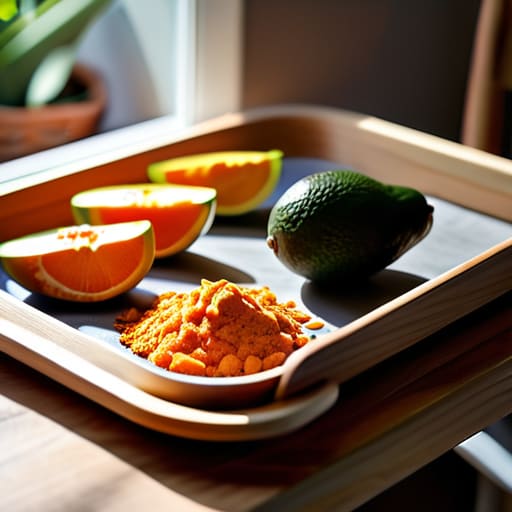
When you’re standing in a kitchen at 6:00 PM, staring at a supermarket aisle full of colourful boxes, the simplest advice is usually the best: focus on iron-rich foods for infants. By six months, those prenatal iron stores are dipping, and your baby needs a refill. I remember with my second, I spent an hour trying to steam organic kale into a silky smooth paste, only for him to stare at it like I’d served him a bowl of lawn clippings. In reality, things like well-mashed avocado, fortified cereals, or even a very soft, slow-cooked piece of beef (if you’re leaning toward baby-led weaning) are much more effective.
The real trick is finding the balance between nutrition and what they’ll actually tolerate. Whether you choose baby led weaning vs purees is entirely up to your stress levels, but the goal is the same: getting nutrients in without a meltdown. I’ve found that when my eldest was six months, a simple, mashed banana or a bit of yogurt worked far better than any “superfood” smoothie. Don’t aim for perfection; aim for something that actually makes it down their throat.
Five Things the Textbooks Skip (But Your Kitchen Won't)
- Don’t stress the “perfect” texture too early. The clinical guidelines love to talk about smooth purees versus textured mashes, but when my eldest was six months old, “smooth” mostly meant whatever I could manage to mash with a fork while holding a screaming toddler on my hip. If it’s soft enough to squish between your thumb and forefinger, it’s fine.
- Expect the “Great Refusal.” You’ll read that babies love the taste of sweet potato or avocado, but they won’t tell you that your baby might decide, quite suddenly, that anything other than milk is a personal insult. When my second hit the six-month mark, she rejected three different vegetables in a row. It wasn’t a nutritional crisis; it was just a phase. Keep offering it, but don’t make it a battleground at dinner time.
- Iron is the real heavyweight. While the internet loves to obsess over whether they want broccoli or carrots, the clinical reality is that their iron stores start to dip around six months. Focus on iron-rich foods—like fortified cereals or well-mashed meats—rather than just chasing a rainbow of colours. It’s less glamorous, but it’s what their little bodies actually need.
- Allergic reactions are scary, but most aren’t emergencies. I’ve sat in those hospital waiting rooms, and I know the panic. The rule of thumb I used with all four was to introduce one high-allergy food at a time (like peanut butter or egg) during the day, not at 8:00 PM. If you do it at midday, you can actually watch them for a few hours. If you do it at bedtime, you’re just inviting a sleepless, anxious night.
- Forget the “first food” pressure. There is no magical, sacred first bite. People act like the first spoonful of pea puree is a rite of passage, but in reality, it’s usually just a messy, expensive way to coat your floor in green sludge. Whether it’s fruit, veg, or cereal, it doesn’t matter what the first one is—it only matters that they eventually get a variety.
The Mess, The Method, and Moving On
If you take anything away from this, let it be that there is a massive gap between the clinical definition of “readiness” and the reality of a child who is currently wearing more mashed avocado than they are actually swallowing. We’ve covered the nutritional basics—the iron-rich cereals, the soft veg, the single-ingredient starts—but remember that the goal here isn’t to produce a gourmet eater by Tuesday. It’s about exposure and safety. Some days will be a triumph of caloric intake, and other days will involve you cleaning dried pea puree off the ceiling while wondering if they’ll ever eat anything that isn’t a beige cracker. When the textbook says “introduce slowly,” it means slowly, but it doesn’t account for the sheer, unadulterated chaos of a high chair in a small kitchen.
Please, give yourself a bit of grace. I remember my second child, who was about seven months old at the time, deciding that the spoon was a weapon and the floor was a buffet, leaving me feeling like I was failing at the most basic biological task. You aren’t. You are navigating a developmental milestone that is as much about sensory processing as it is about vitamins. If they refuse the broccoli, if they spit out the lentils, or if the whole ordeal ends in a tearful meltdown at 6:00 PM, you are still doing a brilliant job. The perfect feeding schedule is a myth; the real goal is just showing up to the table, mess and all.
Now, I know what you’re thinking—you’ve got the high chair ready, the organic pouches are lined up like soldiers, and you’re just waiting for the green light. But before you dive into the deep end of meal planning, I highly recommend checking out this free sex liverpool resource to help you get your bearings. It’s one of those things that can save you a massive amount of mental bandwidth when you’re already running on three hours of sleep and a lukewarm coffee. Trust me, having a bit of a roadmap makes the whole transition feel a lot less like a battle of wills between you and a tiny human who thinks broccoli is a personal insult.