Offering the Same Food Twelve Times
I spent a decade on a paediatric ward hearing parents talk about “optimal nutritional windows” and “sensory integration,” but if you ask me, most of that high-level chatter is just a way to make you feel like you’re failing when your six-month-old treats a spoonful of sweet potato like a biological weapon. The internet is full of expensive, color-coded silicone kits and complicated schedules designed to teach you how to build a baby’s food variety, but they conveniently forget to mention the sheer, unadulterated exhaustion of a Tuesday evening when your child decides that anything other than plain white pasta is a personal insult.
I’m not here to give you a lecture from a textbook or a list of “superfoods” that cost more than my weekly grocery bill. Instead, I’m going to give you the middle ground: the actual science of what their little bodies need, paired with the hard-won reality of what actually works when you’re running on four hours of sleep. I’ll tell you which textures to push for, which picky phases are just a normal developmental milestone, and exactly when you can stop worrying and just let them make a mess.
Table of Contents
- The Textbook Approach to Introducing Solid Foods to Infants
- How to Build a Babys Food Variety Without Losing Your Mind
- Baby Led Weaning vs Purees the Theory and the Mess
- Safe Food Textures for Infants When Everything Ends Up on the Floor
- Nutritional Diversity for Babies and the Sensory Development Reality Check
- Managing Picky Eaters in Toddlers Without Feeling Like a Failure
- Five ways to actually get them eating more than just beige starch
- The Bottom Line (When the Manual Fails)
- The Long Game of Eating
The Textbook Approach to Introducing Solid Foods to Infants
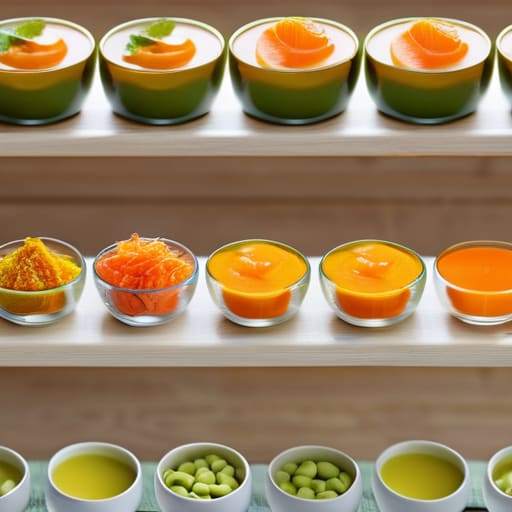
If you look at the official guidelines—the ones I used to hand out in the hospital while wearing scrubs and trying to look authoritative—the process is laid out with clinical precision. The textbooks tell you that introducing solid foods to infants should be a methodical, step-by-step journey. It starts with smooth, single-ingredient purees around six months, designed to minimize allergy risks and ensure easy swallowing. The theory is that you build a foundation of flavor and then move through a predictable baby food texture progression, moving from liquids to mashes, and finally to soft solids.
The logic is sound: you are aiming for maximum nutritional diversity for babies while keeping the risk of choking at an absolute minimum. The clinical goal is to introduce a wide spectrum of micronutrients and iron-rich foods in a way that feels safe and controlled. It’s a beautiful, tidy roadmap that suggests if you just follow the sequence, your child will emerge on the other side as a well-nourished, adventurous eater. It makes perfect sense on paper, and in a controlled clinical setting, it’s a very sensible way to approach a growing human.
How to Build a Babys Food Variety Without Losing Your Mind
If you want to actually achieve nutritional diversity for babies without ending up in a state of total exhaustion, you have to stop treating mealtime like a high-stakes chemistry experiment. In the ward, we saw kids who were perfectly healthy but had developed a terrifyingly narrow palate because their parents were too scared to move past smooth carrot mush. My second child, Leo, was a classic case; by ten months, he thought anything with a lump was a deliberate attempt to choke him. The trick isn’t to force a spoonful of broccoli down a screaming mouth, but to lean into baby-led weaning vs purees by offering both. Let them see you eating the real stuff. If they see you enjoying a piece of roasted sweet potato, they’re much more likely to eventually investigate it themselves.
The real secret to baby food texture progression is doing it in tiny, non-threatening increments. When my eldest was twelve months, we started by mashing soft foods directly on her plate rather than blending them into a liquid. You aren’t looking for perfection; you’re just looking for engagement. Some days they’ll eat like champions, and other days they’ll decide that a single pea is an enemy of the state. That’s not a failure of your parenting; it’s just how they work.
Baby Led Weaning vs Purees the Theory and the Mess
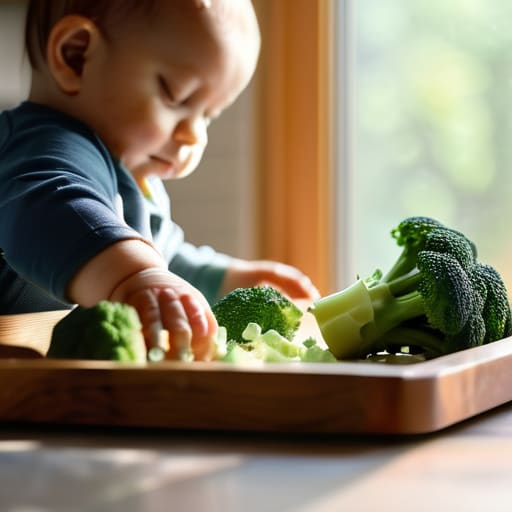
This is where the Great Debate happens. On one side, you have the purees: the controlled, predictable method where you spoon tiny amounts of smooth carrot or pear into a waiting mouth. It’s tidy. It’s easy to track exactly how many grams of vitamins they’ve had. On the other side, you have baby-led weaning vs purees, the method where you basically hand a six-month-old a steamed broccoli floret and hope for the best. The theory behind the latter is all about sensory development through food—letting them touch, smash, and discover textures before they even swallow them.
In the ward, I saw the benefits of both, but in my own kitchen, I saw the reality. Purees are great for ensuring nutritional density when you’re exhausted, but they can sometimes lead to a bit of a “texture strike” later on. Baby-led weaning is brilliant for autonomy, but it means your floor becomes a crime scene of mashed sweet potato. My second child was a puree devotee until eighteen months, and then suddenly, anything that wasn’t a smooth liquid was treated like a piece of granite. There is no perfect answer, only the one that keeps you sane.
Safe Food Textures for Infants When Everything Ends Up on the Floor
The clinical guidance on baby food texture progression is very linear: start with smooth purees, move to lumpy mash, then to finger foods. In a textbook, it looks like a tidy staircase. In my kitchen, it looks more like a battlefield. When I was working the wards, I saw plenty of babies who were developmentally ready for texture but were terrified of it, and I’ve seen my own kids go from happily swallowing mashed sweet potato to treating a single piece of soft-cooked carrot like it was a piece of jagged flint.
The trick isn’t just about the consistency of the food; it’s about the sensory development through food that happens when they realize they can control what goes into their mouths. When I was working with my second, she was six months old and perfectly fine with smooth textures, but the moment I introduced anything with a “grain,” she’d gag. It wasn’t a medical issue; it was a sensory revolt. You have to bridge the gap between a liquid and a solid by using things like thickened yogurts or very soft, smashed avocado. If it’s too thick to swallow but too chunky to be a puree, you’ve hit the sweet spot for safe food textures for infants.
Nutritional Diversity for Babies and the Sensory Development Reality Check
The clinical guidelines focus heavily on the “what”—the iron-rich cereals, the vitamin C, the essential fats. They talk about nutritional diversity for babies as if it’s a checklist you can tick off in a sterile kitchen. But the guidelines rarely account for the “how,” which is where the sensory development through food actually happens. When I was nursing, I saw kids who were nutritionally perfect but had a sensory aversion to anything that wasn’t a smooth, predictable beige. They hadn’t been given the chance to navigate the chaotic, unpredictable textures of real food.
In my own house, I learned that sensory development isn’t just about taste; it’s about the sheer bravery required to put a lumpy piece of sweet potato in your mouth. You can follow the perfect baby food texture progression on paper, but if your ten-month-old decides that the texture of broccoli is a sensory nightmare, you aren’t failing at nutrition—you’re witnessing a tiny human processing a massive amount of new information. It’s a messy, non-linear process that no textbook can truly prepare you for.
Managing Picky Eaters in Toddlers Without Feeling Like a Failure
Here is the reality of the transition from the relatively predictable phase of introducing solid foods to infants to the absolute psychological warfare of the toddler years. One day you are celebrating a successful spoonful of sweet potato, and the next, your two-year-old is treating a single piece of broccoli like it’s a live grenade. When you are managing picky eaters in toddlers, the biggest mistake is thinking their refusal is a commentary on your parenting or their future health. It isn’t. It is almost always just a tiny human testing the boundaries of their own autonomy.
I remember with my second, around eighteen months, I spent three days straight trying to “engineer” a balanced plate, only for him to decide that anything not beige was a personal affront. The clinical advice focuses on sensory development through food, which is all well and good, but it doesn’t account for the exhaustion of eating your own cold toast over the sink because your child has decided they are suddenly a carnivore. The goal isn’t a perfect plate; it’s a peaceful table. If they’ve had enough calories and moisture throughout the day, you haven’t failed. You’ve just survived another Tuesday.
Five ways to actually get them eating more than just beige starch
- The ‘One Bite’ rule is a lie, so try the ‘One Touch’ rule instead. When my second child was about eight months old, he decided anything green was a biohazard. The textbooks say you need to offer a food ten times before they accept it, which sounds fine until you’re staring at a pile of rejected broccoli at dinner time. Instead, just aim for them to touch it, smear it, or even just look at it without a meltdown. If they’ve touched the cauliflower, that’s a win. We aren’t aiming for a Michelin star; we’re aiming for contact.
- Don’t fear the freezer. I spent a decade in nursing knowing that nutrition is a marathon, not a sprint, but as a dad of four, I know that if I have to chop a fresh sweet potato every single evening, I will eventually break. When my eldest was ten months, I learned to make massive batches of vegetable mashes or lentil stews and freeze them in ice cube trays. It’s not “cheating” to use frozen peas or pre-cut veg; it’s survival, and it ensures you actually have something diverse to offer when you’re too exhausted to function.
- Watch the “Texture Cliff.” There is a specific, terrifying moment—usually around nine or ten months—where a baby who was happy with smooth purees suddenly decides that any lump whatsoever is an act of war. The guidance says to transition smoothly, but in reality, it’s often a sudden, messy rebellion. Don’t force the lump if they’re gagging; just dial it back for a day and try again. It’s not a regression; it’s just a developmental hiccup.
- Stop making “Special Meals.” One of the biggest mistakes I see (and one I made myself) is trying to cook a separate, nutritious meal for the baby while the rest of the family eats something else. By the time they were twelve months, I realized that if they can see me eating a piece of roasted salmon or a bit of soft carrot, they are infinitely more likely to try it. Let them sit at the table. It’s messy, and they will definitely drop something on your clean floor, but eating what you eat is the fastest way to expand their palate.
- Ignore the “Perfect Plate” pressure. You will see photos online of babies sitting calmly with a perfectly arranged platter of organic, rainbow-coloured finger foods. I have never seen that happen in real life, not once. In my experience, by the time a child is eleven months, “variety” often looks like them eating three pieces of pasta and a single bit of banana while the rest of the meal becomes part of the floor decor. If they’ve had a decent variety over the course of a week, you are doing fine. One bad meal is not a nutritional crisis.
The Bottom Line (When the Manual Fails)
Follow the nutritional milestones, but don’t let a “failed” meal make you feel like a failing parent; even with my nursing background, I learned that a child’s mood at 6:00 PM carries more weight than any textbook chart.
Aim for a wide range of textures by 9 or 10 months to prevent sensory issues later, but accept that some days will be purees and some days will be a floor covered in mashed sweet potato—both are part of the process.
Prioritize the long game of exposure over the short-term battle of the dinner table; it often takes ten to fifteen tries before a child actually accepts a new flavour, so don’t throw the towel in just because they spat out the broccoli on attempt three.
The Long Game of Eating
At the end of the day, building variety isn’t about achieving a perfect, color-coded plate of organic superfoods by the time they’re twelve months old. It’s about the messy, frustrating, and often loud process of exposure. We’ve talked about the textbook nutritional requirements and the sensory chaos of transitioning from smooth purees to chunky textures, but the reality is much more unpredictable. You can follow every piece of clinical guidance to the letter, and your toddler might still decide that anything other than plain pasta is a declaration of war. The goal isn’t a flawless food diary; it’s about creating a relationship with food where a rejected piece of broccoli at six months doesn’t mean they’ll hate vegetables forever. It’s about consistent, low-pressure exposure and knowing when to push and when to just walk away from the highchair.
If you’re sitting there at 7:00 PM feeling like you’ve failed because your child only ate three bites of sweet potato and a single piece of crust, please hear me: you haven’t. I’ve seen it on the wards and I’ve seen it in my own kitchen—the gap between what a child should eat and what they actually eat is where the real parenting happens. Don’t let the pursuit of a “diverse diet” rob you of your peace. Focus on the big picture, keep the atmosphere calm, and remember that growth happens in the gaps between the tantrums and the triumphs. You are doing a much better job than a nutrition spreadsheet will ever give you credit for.