The Complete Guide to Supporting Learning at Home
If you search for a “complete guide to supporting learning at home,” you’ll mostly find glossy PDFs filled with expensive Montessori-style wooden toys and advice that assumes your child is a tiny, focused scholar who sits perfectly still for forty minutes. They’ll tell you to create a “dedicated, distraction-free learning zone,” but they won’t tell you how that plan falls apart when your four-year-old decides your “learning zone” is actually the perfect place to stage a dramatic reenactment of a dinosaur attack. I spent eleven years in paediatric nursing seeing how much stress a “perfect” expectation can put on a family, and let me tell you, the textbooks are often wrong about how kids actually absorb information.
I’m not here to sell you a curriculum or a lifestyle brand. What I am offering is a bridge between what the educational experts say works and what actually works when you’re exhausted, the kitchen is a mess, and your child is having a meltdown. I’ll give you the evidence-based foundations, but I’ll also tell you when to pivot, when to walk away, and when a pile of old cereal boxes is actually a better teaching tool than a $50 flashcard set.
Table of Contents
- The Manual vs the Mess a Complete Guide to Supporting Learning at Home
- Forget Perfection Real Parental Involvement in Education That Actually Work
- Creating a Study Space Without Losing Your Mind or Your Living Room
- Beyond the Workbook Choosing Educational Activities for Kids Who Resist
- Engaging Children in Literacy When Theyd Rather Be Doing Anything Else
- Fostering Lifelong Learning and Surviving the 200 Am Learning Meltdowns
- Five Things the Textbooks Miss About Learning at Home
- The Cheat Sheet for When You’re Running on Empty
- The Long Game (and the Short Nights)
The Manual vs the Mess a Complete Guide to Supporting Learning at Home
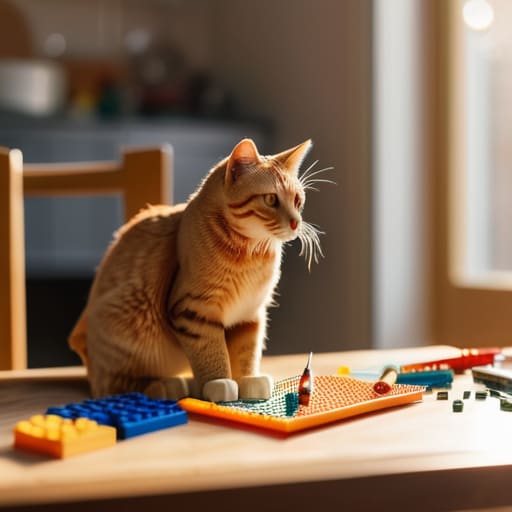
The textbooks will tell you that the key to success is creating a study space—a quiet, dedicated zone free from distractions where a child can focus on their tasks. In a perfect world, this works. In my house, a “dedicated study space” is currently a corner of the dining table that is also a Lego graveyard and a landing strip for half-eaten toast. When my second child was four, I tried to implement a strict “desk time” policy. It lasted exactly three days before I realized that a child’s ability to focus is often directly proportional to how much they are currently being interrupted by a sibling or a stray cat.
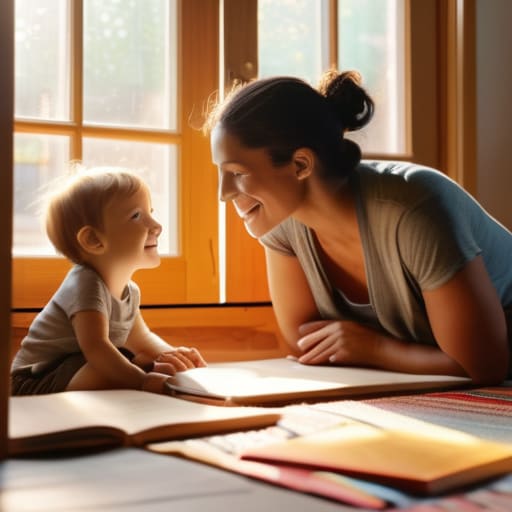
The reality is that parental involvement in education looks less like a structured classroom and more like a series of improvised moments. You aren’t there to be a lecturer; you’re there to be the person who notices when they’ve stopped looking at the page and started staring blankly at a wall. Real learning happens in the gaps—during the messy, unplanned bits of the day. Sometimes, the best way to support them isn’t a formal lesson, but simply sitting nearby while you do your own thing, proving that learning is just something adults do, too.
Forget Perfection Real Parental Involvement in Education That Actually Work

The textbooks love to talk about “optimal parental involvement in education,” which sounds lovely until you’re trying to explain long division while your four-year-old is treating the kitchen table like a wrestling ring. In the ward, I saw parents who felt like failures because they couldn’t sit perfectly still with their child for an hour of “structured learning.” But here is the truth from the trenches: your child doesn’t need a tutor; they need a witness. When my eldest was six, I stopped trying to force a formal lesson and started just talking through what I was doing while cooking dinner. That’s the real secret to fostering lifelong learning—it’s not about the flashcard; it’s about the casual, messy way you show them how the world actually works.
You don’t need a dedicated, silent wing of the house for creating a study space. If you try to build a library-quiet zone in a house with three other kids, you’ll just end up sitting in the hallway feeling guilty. Instead, focus on small, high-impact moments. When my second was three, we stopped the “lesson time” battles and just started engaging children in literacy by reading the back of the cereal box or the street signs on the walk to school. It’s less about the curriculum and more about showing them that learning isn’t a chore you do at a desk—it’s just how we live.
Creating a Study Space Without Losing Your Mind or Your Living Room

The textbooks will tell you that creating a study space requires a dedicated, ergonomic desk in a quiet, distraction-free zone. They make it sound like you need a home office setup that would rival a corporate headquarters. But I have four children, and if I had waited for a “dedicated quiet zone” to start any kind of home learning, we’d still be stuck in the nursery phase. In reality, a study space is often just a corner of the dining table that hasn’t been completely colonised by Lego or half-eaten toast.
When my second child was five, we tried the “formal desk” approach. It lasted exactly four days before the chair became a fortress for action figures. What actually worked—and what I suggest for home learning environment tips that don’t involve a renovation—is proximity rather than perfection. It’s about having a predictable spot, even if it’s just a specific tray of supplies that moves around. You don’t need a library; you just need a place where they can find their pencil without a scavenger hunt, ideally somewhere you can keep an eye on them without feeling like a drill sergeant.
Beyond the Workbook Choosing Educational Activities for Kids Who Resist
The textbooks make it sound like learning is a series of discrete, seated events—a workbook, a pencil, and a quiet room. But when you’re staring at a four-year-old who has decided that today is the day they only communicate through dinosaur roars, a worksheet is just a piece of paper they are going to tear into confetti. At that age, my second child, Leo, wouldn’t touch a book if his life depended on it, but he would spend forty minutes explaining the “social hierarchy” of his plastic T-Rexes. That wasn’t just play; it was foundational logic and language.
If you want to succeed with engaging children in literacy or math, you have to stop looking for the “lesson” and start looking for the hook. When my eldest was six, we stopped fighting over reading time and started reading the instructions on the back of the cereal box instead. It felt like cheating, but it worked. The goal isn’t to replicate a classroom; it’s about fostering lifelong learning by proving to them that the world is actually quite interesting. If they won’t sit at the desk, take the learning to the kitchen floor or the garden. If they’re resisting, stop pushing the curriculum and start following the curiosity.
Engaging Children in Literacy When Theyd Rather Be Doing Anything Else
If you try to force a six-year-old to sit down with a phonics workbook when they are already in the middle of a Lego empire, you aren’t going to get literacy; you’re going to get a standoff. I remember my second, when he was five, trying to “drill” him on sight words. It ended with a torn page and a very tearful, very stubborn child. The textbooks say you need consistent, structured practice, but they don’t mention that resistance is a physiological response to feeling pressured. Instead of fighting the tide, I found that engaging children in literacy works best when it’s incidental. If they won’t read a book, read the back of the cereal box or the instructions for a new game. It counts.
The goal isn’t to turn your kitchen table into a miniature classroom; it’s about fostering lifelong learning by making words feel like tools rather than chores. When my eldest was seven, we stopped the formal “reading time” and started “audiobook time” during dinner. It lowered the stakes. You’re still building vocabulary and narrative comprehension, but without the battle of wills. Sometimes, the best way to support them is to stop teaching and just start sharing the stories.
Fostering Lifelong Learning and Surviving the 200 Am Learning Meltdowns
The textbooks love to talk about fostering lifelong learning as if it’s this seamless, beautiful process of curiosity blooming like a flower. In reality, it’s often more like trying to plant seeds in a gale. When I was working the wards, I saw kids who were exhausted, overstimulated, and simply “done.” You see that same look at home. If you try to force a deep dive into a new concept when their brain has clearly checked out, you aren’t teaching; you’re just building resentment. My second child, when he was five, once had a complete meltdown over a simple shape-sorting task—not because he couldn’t do it, but because he was tired.
When those 2:00 AM realizations or late-afternoon meltdowns hit, the best bit of parental involvement in education isn’t doubling down on the lesson. It’s knowing when to fold the hand. If the tears are flowing, the learning has stopped. Real progress happens in the quiet, low-pressure moments—the accidental discoveries made while making toast or playing in the garden—not during the forced drills that end in a shouting match.
Five Things the Textbooks Miss About Learning at Home
- Stop aiming for the ‘Golden Hour.’ The educational theory suggests a dedicated, uninterrupted hour of focused study, but if you have a four-year-old who treats every quiet moment as a personal challenge to see how loud they can scream, that hour isn’t happening. Instead, aim for “micro-bursts.” When my second child was five, we stopped trying to sit at the table for thirty minutes and started doing ten-minute sprints. It’s much harder to have a meltdown when the finish line is actually in sight.
- Watch for the ‘Masking Meltdown.’ As a nurse, I learned that a child who is acting out or being “defiant” is often just a child whose nervous system is redlining. If they are throwing the pencil or refusing to look at the page, they aren’t being difficult; they are cognitively exhausted. When my eldest was seven, I learned that pushing through a tantrum to “finish the math” is a losing battle. You can’t teach a brain that is in fight-or-flight mode. Walk away, get a snack, and try again when the cortisol levels have dropped.
- Use the ‘Real World’ Filter. If your child is resisting a workbook, stop fighting the paper and start using the environment. When my three-year-old refused to count plastic bears, we started counting the stairs, the blueberries on their plate, or the number of red cars in the driveway. Learning shouldn’t feel like a separate, heavy task you carry into the room; it should be something that happens while you’re just living your life.
- Validate the Frustration, Not Just the Result. We often spend so much time praising the “A” or the finished drawing that we forget to acknowledge how much it actually sucked to do the work. When my middle child was six and crying over a spelling list, I stopped saying “You can do it!” (which, let’s be honest, feels a bit hollow when you’re sobbing) and started saying, “This is really hard, and it’s okay to be annoyed by it.” It doesn’t make the spelling easier, but it makes the child feel less alone in the struggle.
- Know When to Call It a Day. There is a fine line between “perseverance” and “diminishing returns.” If you are ten minutes into a session and you are both shouting, the learning has stopped and the resentment has begun. I’ve learned—usually the hard way, usually around 4:00 PM when everyone is hungry—that it is better to end the session early and preserve the relationship than to force a breakthrough that leaves everyone feeling like a failure.
The Cheat Sheet for When You’re Running on Empty
Stop aiming for the “ideal” educational environment and aim for “functional.” A child can learn at a kitchen table covered in crumbs just as well as at a dedicated desk, provided they feel calm and you aren’t hovering like a hawk.
Match your expectations to their age, not the textbook. A five-year-old “learning” might just look like them pointing at a letter in a cereal box while you’re trying to make toast; at ten, it might be a twenty-minute focused stretch, but even then, some days it’ll just be ten minutes of pure, unadulterated resistance.
Know when to fold the hand. There is a massive difference between a child struggling with a concept and a child who has hit a physiological wall because they are tired, hungry, or overstimulated. If the meltdown has started, the learning has stopped—close the books, walk away, and try again when the cortisol levels have dropped.
The Long Game (and the Short Nights)
If you’ve read this far, you’re probably already mentally cataloguing all the ways your house isn’t a “structured learning environment.” That’s fine. We’ve covered the spectrum here: from the clinical necessity of a decent workspace to the messy reality of literacy battles and the inevitable, soul-crushing meltdowns that happen when a child is just too tired to care about phonics. The takeaway isn’t that you need to become a secondary school teacher overnight; it’s about finding the middle ground between the sterile textbook advice and the chaos of a living room covered in half-finished projects. You don’t need a perfect curriculum, you just need to know when to push and when to pivot toward something easier, like a book or a conversation, before everyone ends up in tears.
I remember a particularly rough week with my second child, who was about four at the time, when I tried to force a “learning session” that ended with a broken crayon and me sitting on the kitchen floor feeling like a total failure. Looking back, the learning wasn’t in the worksheet; it was in the fact that we eventually sat down and laughed about how much we both hated it. Please, give yourself some grace. Your job isn’t to manufacture a genius; it’s to foster a sense of curiosity that survives the chaos of childhood. The goal isn’t a perfect student; it’s a resilient human being, and sometimes the best way to support that is to close the workbook, make a snack, and try again tomorrow.