
Car Seat Mistakes That Are Very Common
I remember sitting in a dimly lit hospital corridor during a night shift, listening to a father explain how he’d spent three hundred pounds on a “smart” car seat that promised advanced safety sensors, only to realize he’d installed it so poorly the base was practically pivoting on the upholstery. It’s a special kind of heartbreak when you realize that all that expensive tech doesn’t matter if you haven’t mastered the basics of how car seats work and common mistakes like the ones we all make when we’re running ten minutes late. The industry loves to sell you features that look great in a glossy brochure, but those features won’t do a damn thing if the harness is too loose or the angle is off by a few degrees.
I’m not here to sell you a premium model or recite a dry manufacturer’s manual at you. Instead, I want to give you the real-world mechanics of what keeps a child secure, stripped of the marketing fluff. I’ll walk you through the physics of a crash and the specific, frustrating errors I’ve seen—and made myself—when the sun is down and the kids are screaming. We’re going to focus on what actually keeps them safe, not just what looks good in the driveway.
Table of Contents
- The Science of Impact Force Distribution vs Real World Chaos
- Child Passenger Safety Standards What the Manuals Leave Out
- How Car Seats Work and Common Mistakes We All Make
- The Harness Tightness Check Why Snug Isnt Enough
- Navigating Convertible Car Seat Stages Without Losing Your Mind
- Tether Anchor Importance and the Chest Clip Placement Trap
- The 'Real World' Checklist: Five Things to Check Before You Pull Out of the Driveway
- The Midnight Reality Check: Three Things to Remember When You’re Done
- The Reality Check
The Science of Impact Force Distribution vs Real World Chaos

The physics of a crash are brutal, and the whole point of a car seat is managing impact force distribution. In a textbook, the seat absorbs the energy and the harness keeps the child’s body positioned so they don’t become a projectile. The science is elegant: the shell manages the hit, and the straps manage the person. But science assumes a controlled environment, not a chaotic Tuesday morning where you’re trying to navigate a supermarket car park with a teething ten-month-old who has decided that being strapped in is a personal insult.
In the real world, the “perfect” physics often get undermined by small, tired mistakes. You might get the seat into the car, but if you haven’t done a proper harness tightness check, that force distribution fails. I remember with my second, I’d tighten the straps until my own fingers hurt, only to realize later that if you can pinch any fabric at the shoulder, the seat isn’t actually doing its job when it matters most. It’s not just about the seat being there; it’s about how that seat interacts with a moving, wiggly human being.
Child Passenger Safety Standards What the Manuals Leave Out
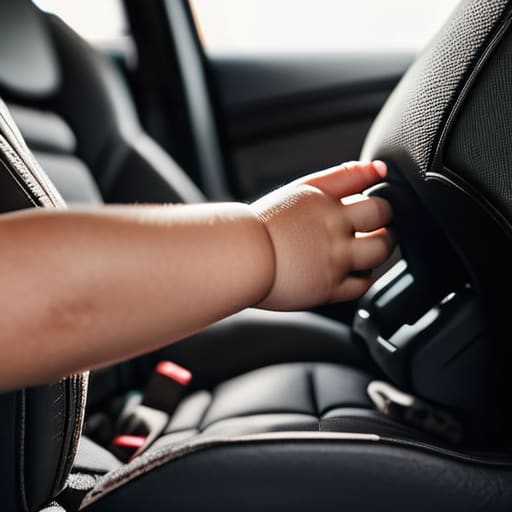
The official child passenger safety standards are written in a vacuum of perfect conditions. They assume you have a bright light, a steady hand, and the patience of a saint. In reality, most of us are wrestling a heavy, awkward plastic shell into a seat that seems designed to resist it, usually while a toddler is screaming in the background. The manuals focus heavily on the technicalities of convertible car seat stages and weight limits, but they rarely mention how much the seat can shift when you’re actually driving over a speed bump or navigating a tight supermarket car park.
One thing the textbooks don’t emphasize enough is the sheer physical reality of the harness tightness check. You can follow the instructions to the letter, but if you haven’t accounted for the thick, winter puffer jacket your four-year-old insists on wearing, that harness isn’t doing its job. I learned that the hard way with my second; I thought he was secure, but the extra padding created enough slack to negate the whole point of the restraint. It’s not just about following the rules; it’s about understanding how those rules fail when they meet a real, squirming human being.
How Car Seats Work and Common Mistakes We All Make

The basic physics is simple: the seat is designed to turn a sudden, violent stop into a controlled deceleration. It’s meant to cradle the child and manage the impact force distribution so their little bodies don’t take the full brunt of the momentum. But physics doesn’t account for a two-year-old who decides to perform a full-body gymnastics routine the moment you pull out of the driveway.
The most common car seat installation errors I see aren’t usually about someone being careless; they’re about being tired. You think the base is locked in, but it’s actually pivoting just enough to be dangerous. Then there’s the harness. I used to tell parents in the ward that the straps should be snug, but I didn’t realize how much “snug” changes when a child is wearing a thick winter coat. You have to do the pinch test—if you can grab a fold of the webbing at the shoulder, it’s too loose. And please, for the love of sanity, check that chest clip placement is at armpit level. If it’s down by the belly, the seat isn’t protecting them; it’s just waiting for a moment of impact to fail.
The Harness Tightness Check Why Snug Isnt Enough
The manual tells you that the harness should be snug, but “snug” is a dangerous word because it’s subjective. When I was working on the ward, I saw plenty of kids who looked perfectly secure, only for their parents to realize later that the harness was loose enough for them to slide halfway out during a sudden stop. The real test isn’t how much you can pull the straps, but the pinch test. If you can grab the webbing at the shoulder and pinch it together between your thumb and forefinger, it’s too loose. It doesn’t matter how much you’ve tightened it; if there’s slack, the impact force distribution won’t work the way it’s designed to, and that’s when the seat fails to do its job.
I remember my second child, who was about 14 months old at the time, and how I’d swear the straps were tight, only to find him slumped in a way that looked terrifyingly unsupported. Most car seat installation errors aren’t about the base being wrong; they’re about the harness being too forgiving. You also need to watch that chest clip placement. It should be at armpit level, every single time. If it’s sitting too low on the tummy, a sudden jolt can cause the child to slide right out from under the straps. It feels pedantic when you’re just trying to get to the supermarket, but it’s the difference between a seat that holds and a seat that just sits there.
Navigating Convertible Car Seat Stages Without Losing Your Mind
The transition through the various convertible car seat stages is where the theory of child passenger safety standards meets the messy reality of a growing child. On paper, it’s a logical progression: rear-facing until they hit a weight limit, then forward-facing. In practice, it’s a series of frantic checks while you’re trying to navigate a supermarket car park with a kid who has suddenly decided they hate being strapped in. I remember with my second, the moment we switched to forward-facing, I felt this strange mix of “they’re growing up” and a deep, nagging suspicion that I’d done something wrong.
The real trick isn’t just knowing when to switch, but understanding how the mechanics change. When you move to forward-facing, your focus has to shift entirely toward chest clip placement and ensuring that the harness isn’t just “snug,” but positioned correctly for the new angle of impact. It’s easy to get complacent once you’ve mastered the rear-facing setup, but that’s exactly when car seat installation errors tend to creep in. You aren’t just changing a strap; you are fundamentally changing how the seat manages force.
Tether Anchor Importance and the Chest Clip Placement Trap
Then there is the tether anchor, which is one of those things that sounds like a technicality until you’re staring at the back of a car seat wondering if you’ve actually secured it properly. Most manuals make it sound simple, but in the rush of a school run, it’s easy to overlook. The tether anchor importance cannot be overstated; it’s what stops the seat from rotating forward during a collision, effectively managing the impact force distribution so the child isn’t pitched forward. I remember with my second, I thought we were fine without it because the base felt solid, but the science is clear: without that top strap, the seat is essentially a projectile.
While you’re checking the anchors, don’t forget the chest clip. It’s a common one of those car seat installation errors that people make by sheer habit. You’ll find yourself clicking it too high, near the chin, because it feels “secure.” But if it’s not level with the armpits, it won’t do its job when it matters most. I’ve seen parents—and I’ve been one of them—fixating on the harness tightness check but completely missing that the clip is sitting way too high. Keep it at armpit level, even if it feels a bit low, and you’ll sleep a lot better.
The 'Real World' Checklist: Five Things to Check Before You Pull Out of the Driveway
- The Pinch Test (The ‘Not-So-Snug’ Reality Check): The manual tells you to tighten the harness until it’s secure, but what that actually looks like is trying to pinch the webbing at the shoulder. If you can grab a fold of the strap between your thumb and forefinger, it’s too loose. I learned this the hard way with my second—he was three, a wiggle-worm by nature, and I thought he was ‘snug enough’ until I realized the strap had shifted halfway up his chest during a sharp turn.
- The ‘Head-Tilt’ Trap: When you’re transitioning from a rear-facing infant carrier to a convertible seat (usually around 12 to 18 months, though every kid is different), watch the angle of their head. If they are slumped forward so their chin is hitting their chest, their airway can get compromised. It’s a terrifying thought, but usually, it just means the recline angle of the seat needs a slight adjustment. It’s not a sign of a broken seat; it’s just physics meeting a sleepy toddler.
- The Bulky Coat Blunder: This is the one that kills me every winter. You want them warm, so you strap them in wearing a thick puffer jacket. The problem? That jacket compresses in a crash, leaving a massive, dangerous gap between the child and the harness. I’ve spent many a frosty morning wrestling a screaming toddler out of a coat just so I could get the straps tight against their actual body. Put the coat on over the harness once they are buckled.
- The Chest Clip ‘Low-Rider’ Mistake: I see this constantly, and I did it myself. The chest clip isn’t there to keep them from sliding out of the seat; it’s there to keep the harness straps positioned correctly on their shoulders. If that clip is sitting down by their tummy, the straps will slide off their shoulders the second you hit the brakes. Aim for armpit level. If it’s too low, the whole physics of the seat fails.
- The ‘One-and-Done’ Installation Check: We all do it. We install the seat, check it once, and then go about our day. But car seats move. Every time you load a heavy bag in the boot, or every time a child climbs in and out, that seat shifts. I tell parents to treat the installation like a daily check. A quick hand-shake of the seat base every single time you get in the car will save you from the creeping looseness that happens over weeks of use.
The Midnight Reality Check: Three Things to Remember When You’re Done
Trust the manual for the physics, but trust your gut for the reality; if you’re struggling to get a harness tight while a two-year-old is performing a gymnastics routine in the backseat, stop, take a breath, and try again when you aren’t both vibrating with frustration.
Safety isn’t a “set it and forget it” task; the harness that felt perfect during a calm Sunday afternoon might be dangerously loose by Tuesday morning after a heavy winter coat or a frantic school run.
Don’t let the “perfect” installation become the enemy of a “safe” one—if you’ve checked the tether, the chest clip height, and the tightness of the straps, you have done the work, and you can stop second-guessing yourself in the middle of the night.
The Reality Check
At the end of the day, we’ve covered a lot of ground—from the physics of impact force to the frustratingly specific way a chest clip needs to sit on a wriggling three-year-old. If you remember nothing else, remember that the manual is your baseline, but your intuition is your guide. Check those straps when you’re calm, check them again when you’re tired, and don’t be afraid to re-read the instructions even if you think you know them by heart. The goal isn’t to achieve some sterile, textbook perfection; it’s about making sure that when the unexpected happens, the seat is doing exactly what it was engineered to do. It’s about the small, repetitive things—the tightness of the harness, the position of the tether, the awareness of the transition stages—that bridge the gap between safety theory and real-world protection.
I know how it feels to sit in that driver’s seat, staring at a complicated array of buckles and clips while your toddler is having a full-scale meltdown in the rearview mirror. It feels like you’re failing a test you never studied for. But please, hear me on this: you are doing a hard thing. You are navigating a sea of conflicting advice and expensive gear, all while trying to get through a Tuesday. If you get the harness tight and the seat secure, you have done the job. Give yourself some grace. You don’t need to be a crash technician; you just need to be a parent who cares, and from where I’m sitting, that is more than enough.