The Complete Guide to Starting School
If you spend any time on Pinterest or Instagram right now, you’ll be told that a “complete guide to starting school” involves bespoke wooden name tags, a perfectly curated selection of organic snacks, and a morning routine so seamless it looks like a slow-motion advert. It’s absolute rubbish. I’ve spent eleven years in paediatric nursing seeing kids who are genuinely overwhelmed, and I’ve spent four years as a dad watching my own lot completely ignore every “proven” preparation method I tried to implement. The truth is, your child doesn’t need a designer backpack; they need to know that even if they lose their jumper or forget their lunchbox, the world isn’t going to end.
I’m not here to sell you on a lifestyle of perfect transitions. Instead, I’m going to give you the practical, slightly messy reality of what actually works when the first week hits. We’ll talk about the actual logistics—the sleep schedules that fail by Tuesday, the sensory meltdowns that happen in the car park, and how to spot a genuine worry versus just first-day jitters. This is the guide for when the official handbook falls short and you’re left standing in the rain at 8:45 AM wondering where it all went wrong.
Table of Contents
Understanding Complete Guide to Starting School
If you look at any official “complete guide to starting school” provided by a local authority or a school’s website, it will focus heavily on the logistics: the uniform, the correct stationery, and the importance of punctuality. They’ll give you a sterile list of school supplies essentials and expect you to tick them off like a grocery list. But when I was working on the ward, I saw how much the “logistics” matter versus how much the emotional transition actually dictates a child’s ability to function. You can have the most expensive backpack in the world, but if your child is vibrating with dread, that backpack is just extra weight.
In my house, we learned that the real work happens in the weeks before the first bell rings. It’s not about the academic side; it’s about easing school anxiety through predictable, low-stakes practice. When my eldest was four, we didn’t start with math drills; we started by walking the route to the playground and practicing how to ask a peer to share a toy. We focused on establishing school routines—like a consistent bedtime that actually sticks—long before the first Monday morning chaos hit. The goal isn’t to prepare them to be scholars overnight; it’s to make the transition feel like a manageable shift rather than a cliff edge.
Key Things to Know
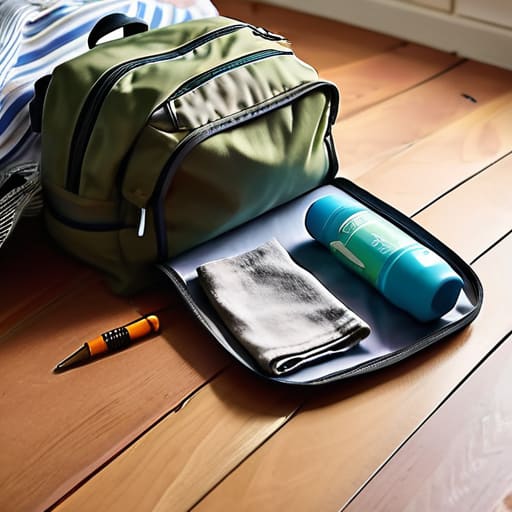
First, let’s talk about the logistics, because that’s usually where the panic starts. You’ll see endless lists online, but a sensible back to school checklist shouldn’t just be about the fancy pencil cases. In my experience, with my eldest when he was four, the real “essentials” were the things that prevented a meltdown: a spare set of clothes that actually fit and a water bottle that doesn’t leak in a backpack. You can obsess over the most expensive school supplies essentials, but if the child is too overwhelmed to use them, the brand doesn’t matter.
Second, we need to address the invisible stuff—the emotional heavy lifting. The school will give you a brochure on academic readiness, but they won’t tell you how to handle the sudden, inexplicable tears during bath time. Easing school anxiety isn’t about a grand speech; it’s about establishing school routines in small, predictable increments a week before the gates actually open. When my second started, we practiced the “morning rush” on a Tuesday afternoon just to see where the friction points were. It’s not about being perfect; it’s about reducing the number of surprises when the real chaos begins.
Practical Tips and Steps
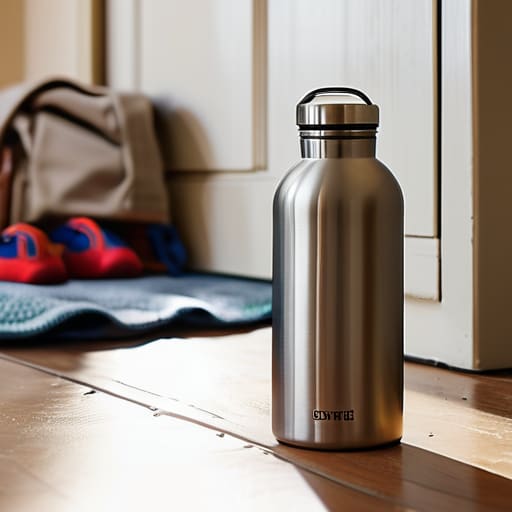
First, let’s talk about the logistics. You’ll see endless lists online, but my version of a back to school checklist is less about having the exact shade of blue folder required and more about preventing the morning meltdown. Start by establishing school routines at least two weeks before the term actually begins. I tried to jump straight from summer holidays to a 7:00 AM wake-up call with my eldest when he was four, and it was a disaster; we spent the first week in tears. Instead, nudge the bedtime earlier by ten minutes every few days. When it comes to the gear, focus on the school supplies essentials that actually survive a playground—think sturdy water bottles and Velcro shoes. If they can’t do the fastenings themselves, you’ll be spending your entire morning at the school gate wrestling with laces while the bell rings.
Beyond the kit, we need to look at the emotional side. Easing school anxiety isn’t about promising them they’ll have fun every second; it’s about being honest that it might feel a bit scary at first. When my second child was five, I found that practicing simple classroom social skills, like asking to join a game or saying “hello” to a peer, helped immensely. It’s the small, predictable wins that build their confidence.
Common Mistakes to Avoid
The biggest mistake I see—and I’ve made it myself—is treating the transition like a logistical problem to be solved with a perfectly curated back to school checklist. You can have the exact brand of pencil case and the most ergonomic backpack, but if you haven’t spent the week before doing the “dry runs,” the gear won’t save you. I remember with my eldest, who was five, we had every single piece of stationery ready, but we hadn’t actually practiced walking to the gate. When the big day came, the sheer scale of the playground triggered a meltdown that no amount of sharpened HB pencils could fix.
Another trap is the “information overload” phase. We tend to obsess over academic success tips for beginners, worrying about whether they can hold a crayon correctly or recognize every letter by September. In my nursing days, I saw how much physical stress mimics anxiety; if you’re pushing them to perform before they’ve even settled into the rhythm of the day, you’re setting them up for burnout. Focus less on the curriculum and more on easing school anxiety through predictable, boring consistency. If they know where their shoes go and what breakfast looks like, they have the mental bandwidth to actually learn.
Final Thoughts
If you’ve followed everything I’ve said, you probably feel like you’re ready to tackle the first day with military precision. You’ve ticked off the back to school checklist, you’ve bought the specific brand of glue sticks that won’t leak in a backpack, and you’ve mentally prepared for the chaos. But here is the truth I learned with my second child, who was five at the time: the plan will fail. It will fail because they’ll lose a jumper, or they’ll decide they suddenly hate sandwiches, or they’ll come home so emotionally exhausted that they have a complete meltdown over a slightly bruised banana.
When that happens, please remember that none of this is a reflection of your parenting. You haven’t failed the “guide”; you’ve just encountered a real human being. Focus less on the perfect transition and more on easing school anxiety through presence rather than perfection. If they are tired, let them sleep. If they are grumpy, let them be grumpy. You are doing a much better job than you think you are, even on the days when the “official” way goes completely out the window.
Five things the school brochure won't tell you
- Don’t aim for a perfect routine; aim for a “buffer” routine. The school will tell you that a consistent sleep schedule is the bedrock of learning, but when my eldest started at five, we spent the first three weeks in a state of total sleep anarchy. Instead of fighting for a strict 7:00 PM bedtime that resulted in tearful power struggles, we moved to a “wind-down” period. It’s not about the clock; it’s about the transition. If they aren’t sleeping at the “correct” time, don’t panic—just focus on making the hour before bed predictable.
- The “Dry Run” is more important than the new uniform. You can spend a fortune on smart shoes, but if your child hasn’t practiced the physical mechanics of them, you’ll be dealing with a meltdown at the school gate. When my second child was four, we spent a week practicing “independent dressing” in the mornings. If they can’t do the buttons or the Velcro themselves, the school run becomes a high-stakes wrestling match. Practice the kit before the first day.
- Prepare for the “After-School Collapse.” In my nursing days, I saw kids who were perfectly fine in the ward but fell apart the moment they felt safe. School is exhausting—socially, mentally, and physically. When they get home, they might be rude, tearful, or completely non-verbal. Don’t take it as a sign that they’re struggling with the curriculum; take it as a sign they’ve used up all their emotional regulation for the day. Feed them something immediately and lower your expectations for productivity.
- Forget the “Perfect Lunchbox” myth. The school handbook might suggest a balanced array of whole grains and proteins, but at 12:30 PM, a child who is overwhelmed or distracted just wants something easy to eat. I learned with my third child that a beautifully prepared, multi-compartment bento box was actually a disaster because it took too much effort to navigate. Sometimes, a simple sandwich and a piece of fruit are the real winners. If they don’t eat it, don’t view it as a nutritional failure; view it as a survival tactic.
- Manage your own transition, too. This is the one nobody mentions. You are going through a massive shift in your identity and your daily rhythm. I remember sitting in the car park during my first child’s first week, feeling a strange mix of intense pride and absolute, crushing dread. It is okay to feel unsettled. If you are anxious, they will smell it on you like blood in the water. Take five minutes in the car before you walk into the school gates to breathe, because they need you to be the calm one, even if you’re feeling anything but.
The Real-World Summary
The official school handbook is a map, not the terrain. It will tell you about uniform requirements and bell times, but it won’t prepare you for the emotional meltdown in the car park ten minutes before the gates open. Prepare for the logistics, but leave room for the chaos.
Routine is your best friend, but don’t let it become a straitjacket. I learned with my second child, who was five, that a “perfectly structured” morning schedule is useless if they’ve had a bad night’s sleep or a nightmare. Flexibility is just as important as consistency.
If they come home exhausted, grumpy, or acting like a completely different person, don’t panic and don’t assume they’re “failing” at school. It’s called cognitive fatigue. They are spending all day holding it together in a brand-new world; they need to let it all out the second they see you.
One Last Thing Before the Morning Rush
If you take nothing else from this, remember that the “perfect” transition is a myth sold by people who don’t have to deal with the actual fallout. You can prep the uniform, label every single pencil, and master the art of the early bedtime, but there will still be a morning where a shoe goes missing or a sudden bout of stomach flu ruins the entire week. The practicalities matter—having the kit ready and the routine set—but they aren’t a shield against the chaos. When the meltdown happens in the school car park, or they come home too exhausted to even tell you about their day, just remember that the plan is merely a scaffold, not a guarantee. It’s okay when things don’t go according to the handbook.
Most importantly, try to give yourself the same grace you’ll be giving your child. They are navigating a massive shift in their world, and you are navigating a massive shift in yours. There will be days when you feel like you’ve failed because the routine crumbled, but I promise you, you haven’t. You are simply living through the messy, unscripted reality of growing up. When the dust settles and the first term is behind you, you’ll realize that the small, imperfect moments were actually the ones that mattered most. Take a breath, keep the snacks handy, and just keep moving forward.