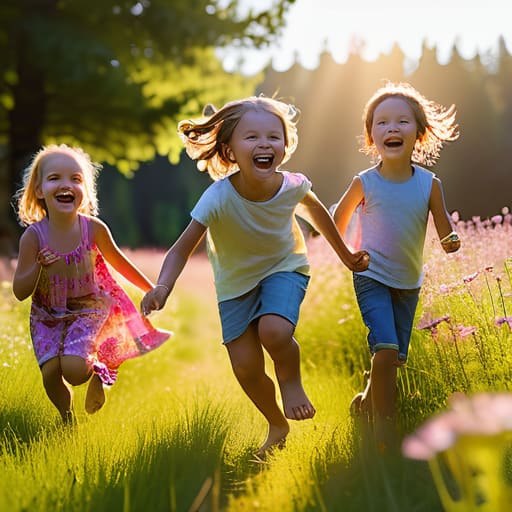
The Complete Guide to Getting Children Outdoors
I once spent forty-five minutes reading a glossy parenting magazine that promised a “complete guide to getting children outdoors” involving high-tech sensory kits, specialized topographical maps, and a wardrobe of ethically sourced linen. It was nonsense. When I was working the night shift on the paediatric ward, I saw kids thrive on the simplest things—a bit of wind, a puddle, or a discarded stick—and I see it now with my own four. The truth is, most of the advice out there treats “nature” like a formal field trip that requires a permit and a pristine set of gear, when in reality, it’s usually just a battle against damp socks and a sudden, inexplicable meltdown over a ladybug.
In this guide, I’m not going to sell you on expensive gadgets or curated “forest school” experiences that cost more than my grocery bill. Instead, I’m giving you the version that works when you’re exhausted and the weather is rubbish. I’ll tell you what actually keeps a toddler engaged for more than ten minutes, which bits of gear are actually worth the investment, and how to manage the inevitable mud. This is the real-world version of getting outside, stripped of the fluff and tested by four children who have tried every possible way to make it difficult.
Table of Contents
- The Science of Nature Play vs the Reality of Muddy Boots
- A Complete Guide to Getting Children Outdoors Without Losing Your Mind
- Building Outdoor Habits for Families When Youre Exhausted
- Sensory Play in Nature Beyond the Polished Playroom
- Managing Outdoor Playtime in Bad Weather and Real Life
- Nature Based Learning Activities That Actually Work at 3 Pm
- Five Ways to Actually Get Out the Door (Without a Meltdown)
- The Reality Check: What Actually Matters When You Leave the House
- The View from the Muddy Doorstep
The Science of Nature Play vs the Reality of Muddy Boots
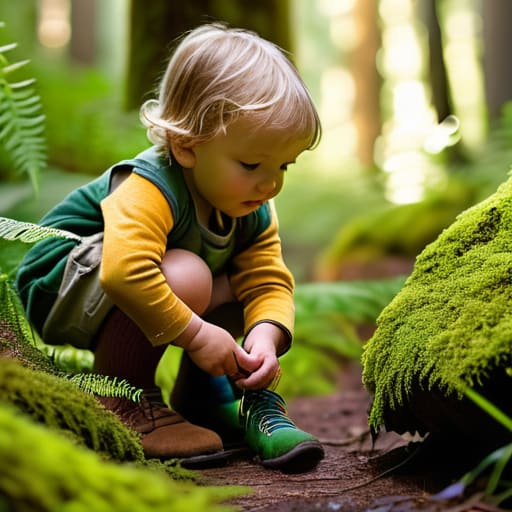
The clinical literature is very clear about the benefits of nature play for kids. It talks about “biophilia,” cognitive development, and stress reduction in measured, calm tones. If you read the research, it sounds like a gentle stroll through a botanical garden. But the research doesn’t account for the fact that a three-year-old doesn’t “engage with the ecosystem”; they engage with a very specific, very slimy slug, and then they try to eat it. When I was nursing, I saw kids who were much more regulated after a bit of fresh air, but I also know that sensory play in nature can quickly turn into a sensory meltdown if the wind is biting and the socks are damp.
Building outdoor habits for families is less about following a curriculum and more about managing the inevitable friction. The science says nature builds resilience, but it doesn’t tell you how to handle the screaming when you realize you’ve forgotten the spare change of clothes. I learned with my second, who was about two, that the “ideal” nature-based learning activities usually end the moment someone discovers a puddle they weren’t prepared for. Realism is better than perfection here.
A Complete Guide to Getting Children Outdoors Without Losing Your Mind
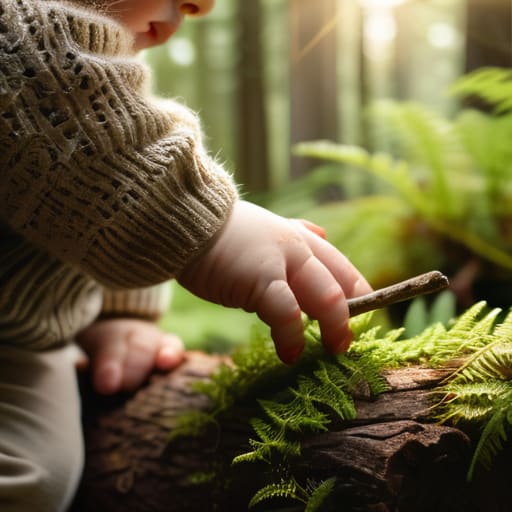
If you want to start building outdoor habits for families, the first thing you have to do is lower your expectations of what a “successful” outing looks like. In my nursing days, I saw kids who were most resilient when they were allowed to be a bit messy; in my house, I’ve learned that a “successful” hour in the garden usually involves someone crying because a ladybird looked at them funny. Don’t aim for a curated nature walk. Aim for ten minutes of sensory play in nature—even if that just means letting a three-year-old poke a damp log with a stick while you sit on a nearby bench and try to remember what silence feels like.
When it comes to managing outdoor playtime in bad weather, the golden rule I learned with my second child was this: gear is your best friend, but comfort is your soul. If you are freezing and miserable, your kids will sniff it out like bloodhounds. Invest in the decent waterproofs, but don’t let the “perfect” kit become a barrier. If it’s drizzling, go out. If it’s pouring, stay in. There is no prize for being the parent who braved a gale just to satisfy a checklist.
Building Outdoor Habits for Families When Youre Exhausted
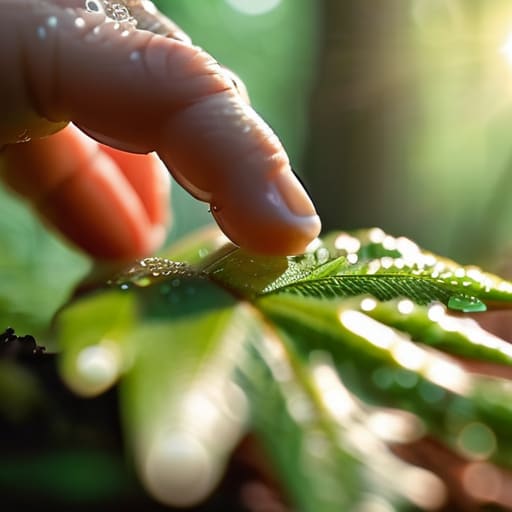
The problem with most advice on building outdoor habits for families is that it assumes you have a pristine backyard and a limitless supply of energy. It doesn’t account for the Tuesday afternoon when you’ve had four hours of sleep and the thought of wrestling a jumper onto a resisting three-year-old feels like climbing Everest. When I was working the wards, I saw how much kids thrived on routine, but when I brought my own two home, I realized that “routine” often looks more like a desperate scramble. Don’t aim for a grand expedition; aim for the threshold. Even ten minutes of sensory play in nature—letting a toddler poke a damp leaf or watch a snail—counts.
If you’re struggling with the logistics, stop trying to do “big” outings. My second child, who was about eighteen months old, wouldn’t go for a walk unless I carried him, which made “getting outdoors” a literal heavy lift. Now, we just sit on the doorstep. We’ve learned that managing outdoor playtime in bad weather isn’t about staying dry; it’s about accepting that sometimes, the best way to build a habit is to just embrace the dampness and get back inside sooner.
Sensory Play in Nature Beyond the Polished Playroom
In the clinical setting, we talk a lot about sensory integration—how a child processes touch, sound, and sight. In a playroom, that usually means expensive silicone toys or textured mats that are easy to wipe clean. But the real benefits of nature play for kids happen when things get messy and unpredictable. When my second child was eighteen months old, he stopped caring about the “correct” way to play with his plastic blocks and became obsessed with the way a damp, decaying log felt under his fingers. That’s the kind of sensory play in nature that you can’t manufacture; it’s the grit of sand, the sharp snap of a twig, and the way cold wind feels on a cheek.
The mistake we make is trying to curate these experiences to be “educational.” You don’t need a lesson plan for nature-based learning activities; you just need to let them be bored and tactile. I remember trying to guide my four-year-old through a “nature scavenger hunt” I’d printed out, only for him to spend forty minutes staring at a single, vibrating beetle. The manual says engage them with tasks, but the reality is that the best learning happens when you stop directing and start observing.
Managing Outdoor Playtime in Bad Weather and Real Life
There is a specific kind of mental fatigue that sets in when you’re staring at a grey, drizzly sky, knowing your toddler has enough energy to power a small city, but you simply cannot face the prospect of a wet walk. The official guidance on the benefits of nature play for kids makes it sound like a gentle, restorative experience, but it rarely mentions the tactical struggle of wrestling a damp, protesting two-year-old into a waterproof suit that feels like wearing a plastic bag. When I was a nurse, I saw how much a change of scenery helped a restless child, but as a father of four, I know that managing outdoor playtime in bad weather is less about “connecting with the elements” and more about high-stakes logistics.
If the weather is truly miserable, don’t aim for a hike; aim for a skirmish. When my second child was three, we learned that a ten-minute session of throwing stones into a puddle or inspecting a single damp log is more successful than trying to force a “nature walk.” Sometimes, the best outdoor activities for toddlers during a storm are the ones that happen right on the doorstep. If you can’t go to the woods, just go to the garden with a bucket. It isn’t perfect, and it certainly isn’t what the brochures promise, but it keeps the momentum going without the meltdown.
Nature Based Learning Activities That Actually Work at 3 Pm
When you hit that 3 PM slump, the last thing you want is a “lesson plan.” You want something that keeps them occupied so you can drink a lukewarm coffee. I’ve found that the best nature-based learning activities aren’t about teaching them the Latin names of trees; they are about directed curiosity. When my second child was three, I discovered that “treasure hunts” work far better than “nature walks.” Don’t tell them to look at the forest; tell them to find three different types of crunchy leaves or a stone shaped like a potato. It turns a aimless wander into a mission, and suddenly, they’re invested in the hunt rather than just dragging their feet.
Another trick is the “Micro-World” approach. If you have a toddler who is currently refusing to walk more than ten feet, stop trying to move them. Instead, give them a magnifying glass or even just a small plastic bucket. If you sit down and start inspecting a patch of moss, they will eventually join you. It’s a low-effort way of facilitating sensory play in nature without you having to perform a circus act. At that age, the goal isn’t curriculum; it’s just noticing that the world is much bigger than their own tantrums.
Five Ways to Actually Get Out the Door (Without a Meltdown)
- Lower the bar for “outdoors.” The clinical guidance loves to talk about “nature immersion,” which sounds like a weekend in the Lake District, but for a tired parent, a fifteen-minute walk to the end of the street to look at a specific, very important puddle counts. When my second was two, I stopped trying to “go for a walk” and started just “going to see the big tree.” It removed the expectation of a grand expedition and stopped the pre-walk tantrums.
- Pack for the “worst-case” weather, not the forecast. I’ve spent too many shifts in paediatrics seeing kids with windburn or damp chills because we trusted a weather app that promised sunshine. When my eldest was four, I learned the hard way: if you have a spare pair of socks and a waterproof layer in the bag, you can stay out twenty minutes longer. If you don’t, the moment a cloud appears, the outing is over and everyone is miserable.
- Forget the expensive “educational” kits. You do not need a $50 magnifying glass or a specialist bird-watching guide to make nature happen. My three-year-old found more wonder in a discarded, half-rotten log than I ever did with the fancy gear I bought to feel like a “proper” outdoor parent. A sturdy stick and a Tupperware container for “treasures” are the only tools that actually survive the reality of a toddler’s interest span.
- Accept that “nature” is often loud, messy, and slightly inconvenient. The manuals suggest nature is a place of calm and zen; in reality, it’s a place where a five-year-old will suddenly decide they need to eat a handful of dirt or scream because a beetle looked at them funny. Don’t fight the mess. If you spend the whole time worrying about the mud on the car seats, you aren’t actually outside; you’re just sitting in a parking lot feeling stressed.
- Use the “One Small Thing” rule when you’re running on empty. When you’re at that stage of parenting where you feel like you’re vibrating with exhaustion, don’t aim for an afternoon in the woods. Just aim for one thing: sitting on a bench, or letting them run in a fenced park for ten minutes while you drink a coffee. Even at age six, my kids would settle if I just gave them a specific mission, like “find three different shaped leaves.” It buys you five minutes of peace, which is sometimes all you can ask for.
The Reality Check: What Actually Matters When You Leave the House
Forget the “nature deficit disorder” lectures and the three-hour forest school goals; if you manage fifteen minutes in a patch of weeds or a walk to the corner shop where they can poke a snail, you have technically succeeded.
Lower your expectations for gear and “preparedness” because the most effective outdoor learning happens when you stop worrying about the pristine state of their clothes and start leaning into the inevitable mud—especially when they are two or three, as that is when the sensory curiosity is highest and the resistance to getting dirty is lowest.
Distinguish between “educational moments” and “survival moments”; some days the goal is observing bird calls, but most days—especially when you’re running on four hours of sleep—the goal is simply getting them into the fresh air so you can sit on a bench for five minutes without someone asking for a snack.
The View from the Muddy Doorstep
If you try to follow every single one of these suggestions, you will likely end up more exhausted than when you started, and that’s okay. We’ve covered the science, the sensory benefits, and the tactical ways to survive a rainy Tuesday, but the truth is that there is no perfect way to do this. Some days, “getting outdoors” means a planned excursion to a local woodland with a packed lunch and a sense of purpose; other days, it’s just standing in the garden for five minutes while your three-year-old tries to eat a pebble. The goal isn’t to tick a box on a developmental checklist or to produce a child who is a budding botanist. The goal is simply to bridge the gap between the sterile, controlled environment of the indoors and the beautiful, messy chaos of the real world.
When I was nursing on the paediatric ward, I saw kids who had spent their lives in front of screens and kids who spent theirs climbing trees. The difference wasn’t in their test scores; it was in their resilience. Nature teaches them that things get slippery, that they might get wet, and that a scraped knee is a temporary setback, not a catastrophe. So, if you find yourself standing in a downpour, wondering why you didn’t just stay on the sofa, remember this: you aren’t just letting them play; you are letting them learn how to live. Don’t aim for perfection; aim for the mud.