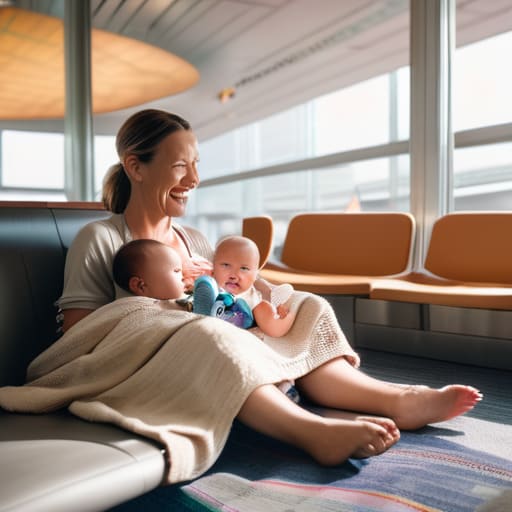
Travelling With a Baby and Accepting the Chaos
If you spend enough time scrolling through parenting blogs, you’ll be convinced that knowing how to travel with a baby requires a military-grade logistical operation, a specialized diaper bag for every conceivable scenario, and a level of zen-like patience that frankly doesn’t exist in humans. The “experts” will tell you to maintain strict feeding windows and pack a pristine, color-coded nursery in your carry-on. But let me tell you something from a man who has spent eleven years on a paediatric ward and four years trying to get four children to coexist in a moving vehicle: the plan is always the first thing to break. When you are standing in a crowded terminal at 3:00 AM, clutching a lukewarm coffee while your ten-month-old decides that the concept of “nap time” is a personal insult, you don’t need a checklist of expensive gadgets; you need a survival strategy.
I’m not here to sell you on the dream of a seamless, Instagram-ready holiday. Instead, I want to give you the bridge between what the medical manuals say and what actually happens when you’re stuck in a middle seat. I’ll share the practicalities of gear that actually matters, the biological realities of jet lag, and the unfiltered truth about when to push through the exhaustion and when to just call it a day and order room service.
Table of Contents
Understanding How to Travel With a Baby
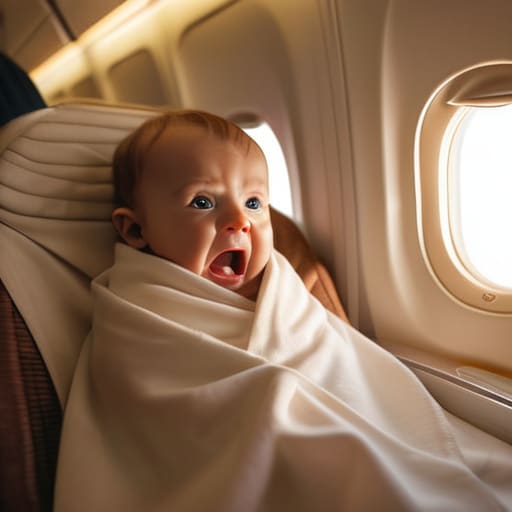
Before you even look at a suitcase, you have to reconcile two very different versions of reality. There is the version in the glossy brochures, which suggests that if you simply tick off a baby travel essentials checklist, the journey will be a seamless transition of nap times and happy smiles. Then there is the reality I lived through with my second, who decided that the cabin pressure of a Boeing 747 was the perfect acoustic environment to practice his operatic screaming.
The trick isn’t trying to force a perfect routine; it’s about managing your own expectations of what “success” looks like. When I was nursing, I’d see parents looking utterly defeated because their six-month-old wouldn’t settle in a new environment. I’d tell them the same thing I tell my own lot: you cannot control the environment, you can only control your response to it. When it comes to traveling with toddlers and infants, the goal shouldn’t be a flawless itinerary. The goal is simply getting from point A to point B without anyone losing their mind. If you end up eating lukewarm pasta in a terminal while your child naps on your shoulder, consider that a win.
Key Things to Know
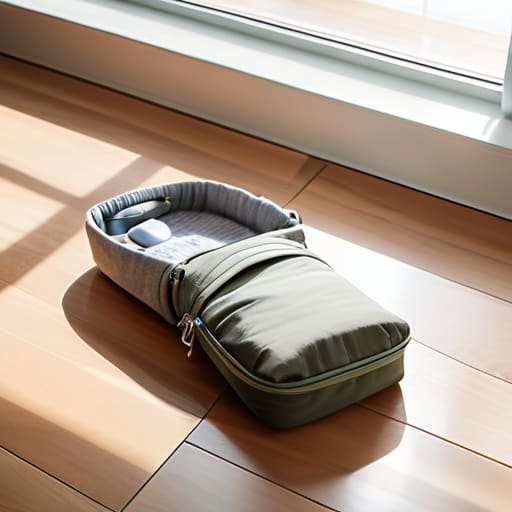
First, let’s talk about the gear. You’ll find endless lists online, but a massive baby travel essentials checklist is often just a recipe for a heavy suitcase and a broken back. When my eldest was ten months old, I tried to bring the entire nursery with us on a flight to Spain; I spent the first three hours of the trip lugging a heavy travel cot through a terminal while he screamed because he couldn’t find his specific pacifier. The reality is that you need the bare minimum that keeps them contained and fed. If it doesn’t fold flat or serve two purposes, leave it at home.
Second, forget the idea of maintaining baby sleep schedule while traveling. The books say to stick to the routine, but the plane cabin pressure and the hum of the engine have other ideas. When my second was two, I spent a fortune trying to recreate her darkened nursery in a hotel room, only to realize she was actually fine as long as I was within arm’s reach. Don’t fight the environment; instead, focus on predictable comfort. If they sleep on the plane, let them. If they don’t, you’ll just have to survive the next leg of the journey on caffeine and sheer willpower.
Practical Tips and Steps
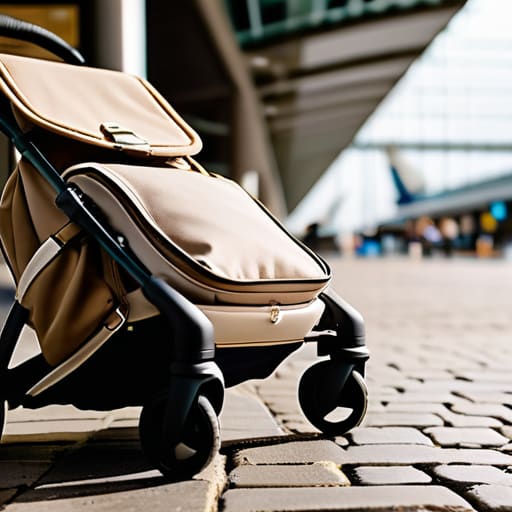
First, let’s talk about the gear. You’ll see endless lists online, but my rule of thumb is this: if you can’t carry it while holding a squirming two-year-old in one arm and a diaper bag in the other, you don’t actually need it. When my eldest was fourteen months, I tried to bring the full-sized travel cot and a mountain of toys; I ended up looking like a pack mule and feeling twice as exhausted. Instead, build a lean baby travel essentials checklist focused on high-impact items—think a compact, lightweight stroller and enough nappies for the journey plus a three-hour buffer.
When it comes to the actual transit, forget about maintaining baby sleep schedule while traveling with any sense of perfection. The jet lag is coming for you regardless. My advice? Focus on the immediate environment. If you are flying, prioritize baby feeding during flights; the swallowing motion helps ease the pressure in their ears during takeoff and landing, which is a lifesaver. I learned this the hard way with my second child, who turned a routine flight into a two-hour ear-pain meltdown because I thought we could “wait until we landed” to feed. Don’t wait.
Common Mistakes to Avoid
The biggest mistake I see—and the one I made repeatedly with my first two—is the attempt to maintain a perfect, rigid routine. You’ll see influencers posting about maintaining baby sleep schedule while traveling as if it’s a simple matter of willpower, but let’s be honest: once you’re in a cramped middle seat or a noisy hotel room, that schedule is usually the first thing to go. When I was a nurse, I saw how much stress parents took on when they couldn’t stick to the “plan.” My third child, who was ten months old at the time, completely ignored our strict nap windows the moment we hit the motorway. Trying to force a schedule that isn’t happening only results in a frustrated parent and a more overtired baby.
Another trap is the “just-in-case” packing spiral. You’ll find yourself staring at a mountain of baby gear for long trips, convinced that if you just bring one more heavy portable crib or an extra crate of wipes, you’ll be safe. I spent years over-packing, only to realize that the things you actually need are usually the things you forgot, like a spare change of clothes for you when the inevitable blowout happens. Focus on the essentials, leave the heavy lifting behind, and accept the chaos before you even leave the driveway.
Final Thoughts
If you’ve reached the end of this list and you’re still feeling a sense of impending doom, congratulations—you’re actually prepared. The mistake most people make is thinking that a perfect trip is about the gear; they spend weeks obsessing over a baby travel essentials checklist only to realize that a meticulously packed bag doesn’t stop a ten-month-old from having a meltdown during takeoff. I remember when my second was eight months old; I had every gadget known to man, yet I still ended up sitting on a terminal floor, feeling like a total failure because the “plan” had evaporated.
The truth is, you aren’t actually trying to maintain a perfect routine; you are simply trying to manage the chaos with as much grace as your caffeine levels allow. Whether you are focused on maintaining baby sleep schedule while traveling or just trying to get through a single meal without a flying spoon, give yourself some slack. Some days the evidence-based advice works, and some days the 2:00 AM reality wins. Both are okay. Just keep moving, keep breathing, and remember that the destination is worth the madness.
Five things the travel brochures won't tell you
- Pack for the “what if” rather than the “what should be.” When my second was six months old, I packed based on a lovely sunny itinerary, only to find ourselves in a damp rental with a child who suddenly decided milk only comes from a specific, non-portable bottle. Always pack one extra change of clothes for the baby, one for you (because spit-up is a projectile weapon), and enough nappies to last forty-eight hours longer than you think you’ll need.
- Respect the “window of opportunity.” The medical manuals talk about sleep hygiene and routine, but in an airport, you’re working with chaos. I learned with my third, when he was about nine months, that if you try to push through a nap to make a flight, you aren’t “making progress”—you are simply scheduling a meltdown in seat 14B. If they look heavy-eyed, find a corner, find a quiet spot, and let them sleep, even if it means you miss a souvenir shop.
- The “Emergency Kit” goes in the cabin, not the hold. I once watched a frantic parent realize their entire supply of infant paracetamol and soothing wipes was locked in a suitcase at the bottom of a cargo hold. Keep a small, dedicated bag with you containing basic meds, a thermometer, and a few high-value, non-messy snacks. If the baby is teething or has a sudden temperature at 3:00 AM in a hotel room, you don’t want to be hunting through taped-up suitcases.
- Accept that “the plan” is a suggestion, not a rule. When my eldest was a toddler, I had a colour-coded spreadsheet for our first trip. By hour three, the spreadsheet was in the bin. If the baby is screaming, the “scheduled sightseeing” is cancelled. If the flight is delayed and they are hungry, the “healthy snack plan” is scrapped for whatever easy thing is available. Give yourself permission to fail at your itinerary; it’s the only way to keep your sanity.
- Use the “Distraction Arsenal” strategically. There is a difference between a toy they’ve played with for months and a brand-new, crinkly piece of packaging. I found that with my four-month-old, the most effective “toy” wasn’t the expensive plush elephant I’d bought, but a simple, clean silicone spatula from the hotel kitchenette. It was new, it was tactile, and it kept him occupied long enough for me to actually finish a cup of lukewarm tea.
The Reality Check: Three Things to Carry With You
Abandon the “perfect schedule” myth; the medical manuals suggest keeping strict routines, but when you’re navigating security lines or a delayed flight, your goal isn’t a routine—it’s survival. Aim for “close enough” and forgive yourself when the plan goes out the window.
Prioritize the “sensory kit” over the “toy kit”; while a new book is great, at six months old, a baby is more likely to be calmed by a familiar, crinkly snack wrapper or a soft muslin cloth than a complex activity set. Pack the things that smell like home.
Know your “red lines” for when to stop; if you’re at the airport and the crying has shifted from “annoyed” to “distressed/inconsolable,” or if you’re seeing signs of genuine physical discomfort, stop trying to push through the itinerary. A twenty-minute sit-down on the floor is better than a meltdown that ruins the next six hours.
The View from the Departure Gate
If you take nothing else from this, remember that the “perfect” travel itinerary is a myth. You can pack the extra nappies, download every soothing white noise track known to man, and time your departures to the minute, but a baby doesn’t care about your flight schedule. They care about being tired, overstimulated, or simply needing to be held. My advice is to pack for the worst-case scenario—the extra change of clothes for you, not just them—and to accept that your primary job isn’t to follow the plan, but to manage the chaos. When the meltdown happens in the middle of security, don’t fight it; just breathe, find a corner, and remember that this is temporary.
I remember my first big trip with my eldest when he was ten months old. I had everything organized like a military operation, and the moment he started screaming in the terminal, I felt like I had failed spectacularly. But looking back, that trip wasn’t defined by the tantrum; it was defined by the way we eventually made it to the beach and saw him splash in the waves for the first time. You aren’t failing because things are messy; you’re just living the reality of parenting on the move. Be kind to yourself, lower your expectations of what a “relaxing holiday” looks like, and just focus on getting to the next destination. You’ve got this.