
The Complete Guide to Fevers in Children
There is a specific, hollow kind of panic that sets in when you’re staring at a digital thermometer in the dark, watching the numbers climb while your child whimpers against your chest. Most of the internet will try to sell you a complete guide to childhood fevers that reads like a dry medical textbook, filled with endless charts and “if/then” scenarios that completely ignore the fact that you are exhausted. They’ll tell you exactly what a fever is, but they won’t tell you how to handle the sheer, bone-deep dread of wondering if this is just a common virus or the thing that’s going to land you in the A&E at three in the morning.
I’m not here to recite the clinical definitions you could find on a government website. Instead, I’m going to give you the version that actually matters: the one that combines my eleven years of paediatric nursing with the hard-won lessons of raising four kids who all reacted to illness differently. This is a guide built on what actually works when you’re sleep-deprived and terrified, distinguishing between the symptoms that require a phone call to the doctor and the ones that just require a cool cloth and a bit of patience.
Table of Contents
- The Realists Complete Guide to Childhood Fevers
- Infant Temperature Reading Methods Manual vs Midnight Reality
- Fever Reducing Medications for Kids the Science and the Struggle
- Febrile Seizure Awareness When the Panic Becomes Real
- Signs of Dehydration in Children Watching the Subtle Shifts
- When to Call a Pediatrician and When to Sleep
- Five Things the Medical Manual Leaves Out
- The 2:00 AM Cheat Sheet
- The Morning After the Fever
The Realists Complete Guide to Childhood Fevers

The medical manual will tell you that a fever is simply the body’s way of fighting infection, and technically, they’re right. But the manual doesn’t mention the specific brand of panic that sets in when you’re staring at a thermometer at 3:00 AM. When I was working the night shift on the ward, I saw parents who were terrified because the number on the screen was high, even though their child was actually playing relatively normally. The truth is, we focus too much on the number and not enough on the child in front of us.
When it comes to pediatric fever management, the goal isn’t to chase a normal temperature; it’s to make the kid comfortable enough to rest. If they are drinking fluids and acting somewhat like themselves, you can usually breathe. However, you need to watch for the real red flags, like signs of dehydration in children—think fewer wet nappies or a dry mouth—or if they become inconsolable. I learned this the hard way with my second, who was eighteen months old and refused every drop of water while running a fever. If they aren’t peeing, that’s when you stop reading blogs and start making phone calls.
Infant Temperature Reading Methods Manual vs Midnight Reality

The textbooks will give you a neat list of infant temperature reading methods, usually starting with the rectal thermometer as the gold standard for accuracy. And they aren’t wrong; if you’re in a clinic, that’s what we use. But the textbooks don’t account for the fact that when your six-month-old is thrashing and sobbing at 3:00 AM, trying to perform a precise rectal reading feels less like medical science and more like a wrestling match you are definitely losing.
In those moments, you’ll find yourself reaching for the forehead scanner or the underarm probe because it’s faster and less invasive. While these are great for a quick check, they can be finicky. A forehead scanner can give you a reading that’s a degree too low if the skin is sweaty, or way too high if the room is stuffy. My rule of thumb, learned through four kids and a decade of nursing, is to look at the child, not just the number. If the thermometer says 38.5°C but your baby is playing quietly with a toy, you can breathe. If the number is lower but they are lethargic and won’t take fluids, that’s when you start worrying about signs of dehydration in children.
Fever Reducing Medications for Kids the Science and the Struggle
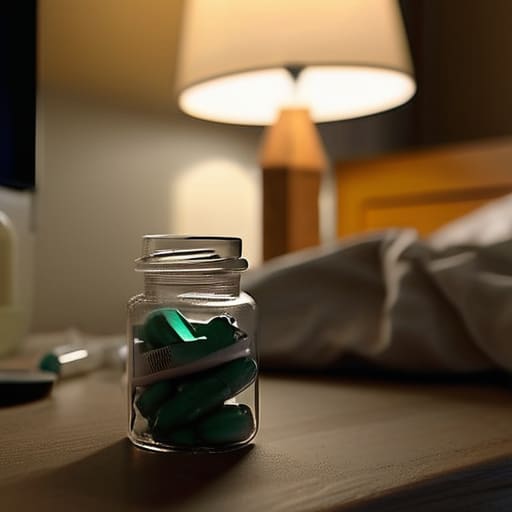
The medical literature is very clear about pediatric fever management: use paracetamol or ibuprofen to reduce discomfort. But the books don’t mention the math involved when you’re bleary-eyed at 3:00 AM, trying to calculate a dose based on a weight your toddler hasn’t actually reached since last Tuesday. When I was nursing on the ward, I’d see parents following the charts perfectly; when I’m at home with my middle one, I’m usually staring at a syringe, praying I haven’t just given him a massive overdose because I can’t tell if he’s gained an ounce or not.
The goal isn’t actually to “break” the fever—the heat is often the body doing exactly what it’s supposed to do—it’s about comfort measures for sick children. If they are playing and drinking, you can often leave the thermometer alone. But if they are lethargic or showing signs of dehydration in children, like fewer wet nappies or a dry mouth, that’s when the math matters less than the clinical reality. You aren’t treating a number on a screen; you’re treating a person.
Febrile Seizure Awareness When the Panic Becomes Real
This is the moment every parent dreads. You’ve been doing everything right—the fluids, the cooling, the constant monitoring—and then, suddenly, the room goes quiet in a way that feels wrong. If you find yourself watching your child shake or lose consciousness during a spike in temperature, your brain will go into a total blackout. I remember seeing this on the ward with a two-year-old; the parents weren’t just worried, they were fundamentally broken by the sight of it. Febrile seizure awareness isn’t about memorising a medical textbook; it’s about knowing that while they look terrifying, most are brief and don’t cause lasting damage.
When it happens, the instinct is to grab them, to shake them, or to shove a spoon in their mouth. Don’t. Just clear the space, time the episode, and get them onto their side. Once the shaking stops, the panic doesn’t just evaporate. You’ll be left staring at a limp, exhausted child, wondering when to call a pediatrician or if you’ve crossed a line into an emergency. If the seizure lasts more than five minutes, or if they aren’t waking up properly afterward, that is your cue to stop questioning yourself and call for help.
Signs of Dehydration in Children Watching the Subtle Shifts
When I was working the night shift on the paediatric ward, the fever itself was rarely the biggest problem. The real headache—the one that actually keeps doctors awake—is dehydration. The medical textbooks will give you a tidy checklist of signs of dehydration in children, like sunken eyes or dry mucous membranes, but those are hard to spot when you’re squinting through a dim nightlight at a child who won’t stop crying. In my experience, the most reliable metric isn’t a clinical exam; it’s the wetness of the nappy or the frequency of the potty trips.
When my second child, Leo, was eighteen months old, he had a fever that just wouldn’t budge. I spent hours worrying about pediatric fever management and medication, but I almost missed the real red flag: he simply stopped wanting to drink. If your child is lethargic, refusing fluids, or hasn’t had a wet nappy in six to eight hours, that is your cue to stop trying the home remedies and start asking when to call a pediatrician. At that point, it’s no longer about managing a temperature; it’s about getting them the fluids they can’t take on their own.
When to Call a Pediatrician and When to Sleep
This is the part where the medical literature and the midnight reality go to war. The textbooks are very clear about the “red flags”—the lethargy, the non-blanching rash, the difficulty breathing—and as a former nurse, I’ll tell you: if you see those, you don’t wait for a blog post, you call the doctor. But the grey area is where the real exhaustion sets in. You’re staring at a thermometer, wondering if a temperature of 38.5°C is a crisis or just a body doing its job. My rule of thumb, which I learned with my second child (who was about ten months old at the time), is to stop looking at the number and start looking at the child.
If they are playing, even if they are a bit clingy, and they are taking fluids, you can usually hold off. However, you need to keep a sharp eye on signs of dehydration in children, like fewer wet nappies or a dry mouth, because that’s often the tipping point. If you’ve administered fever reducing medications for kids and they still seem inconsolable or “not themselves” an hour later, that is your cue to pick up the phone. Trust your gut over the thermometer; if the math says they’re fine but your instinct says something is wrong, call.
Five Things the Medical Manual Leaves Out
- Stop chasing the number on the thermometer. I spent a decade on a ward watching parents obsess over a 38.2°C reading like it was a ticking bomb, but the number matters far less than how your child is actually behaving. If they’re playing with a Lego set despite the fever, they’re fine. If they’re limp and won’t look at you, the number is irrelevant—get them seen.
- The “cooling down” trap. The science says lukewarm sponging can help, but in practice, when my second child was eighteen months old, a lukewarm bath just turned into a shivering, screaming meltdown because the temperature shift felt like a shock. If they’re already miserable, don’t add a wet, cold bath to their list of problems; just focus on light clothing and fluids.
- Hydration isn’t just about big drinks. When my oldest was two, he refused everything—water, juice, even the “special” electrolyte drinks. The trick that actually worked wasn’t forcing a cup, but tiny, frequent spoonfuls of water or even ice chips every ten minutes. It’s about the cumulative amount over the day, not the success of a single 200ml gulp.
- Prepare your “Fever Kit” while they are healthy. It sounds silly, but when you’re staring at a sweating, miserable toddler at 3:00 AM, you don’t want to be hunting through the dark for the correct dose of paracetamol or a working thermometer. I keep a dedicated box with the meds, a digital thermometer that actually works, and a small notebook to log times and doses.
- Trust your “Parent Gut,” but define it. There is a difference between “I am exhausted and scared” and “Something is fundamentally wrong with my child’s breathing or responsiveness.” If you feel that primal, hollow pit in your stomach that says this isn’t a normal fever, call the professional. I’ve seen plenty of “routine” fevers, and I’ve seen the ones that required a midnight trip to A&E. Always trust the latter.
The 2:00 AM Cheat Sheet
Trust the child, not just the thermometer; a number on a screen matters far less than whether your little one is actually playing, drinking, and acting like themselves.
Focus on comfort over the digit; if the fever is high but they are resting or distracted by a movie, you can usually skip the frantic medication round and just wait for morning.
Know your “red lines” for calling the doctor, but don’t let the fear of a fever keep you awake; most fevers are just the body doing its job, even if it feels like yours is failing.
The Morning After the Fever
We’ve covered a lot of ground, from the clinical precision of thermometer readings to the messy, tear-streaked reality of administering medicine when a toddler is fighting you every step of the way. If you take anything away from this, let it be this: a fever is a symptom, not a sentence. It’s your child’s body doing exactly what it was designed to do—fighting back. You now know how to spot the dehydration, how to navigate the terrifying shadow of a febrile seizure, and, most importantly, how to distinguish between a genuine medical emergency and a difficult night that requires nothing more than a cool cloth and your presence. Trust your gut, keep a close eye on their hydration, and remember that most of the time, the goal isn’t to kill the fever, but to keep them comfortable while it does its job.
If you are reading this while sitting on a bathroom floor at 3:15 AM, feeling like you are failing because you can’t “fix” this, please hear me: you are doing a brilliant job. I remember my second child, who was eighteen months old at the time, burning up with a virus that felt like it would never end; I felt just as small and helpless as you do right now. But the fever breaks, the hydration settles, and eventually, the sun comes up. You are the expert on your child, and your intuition is often more reliable than any medical manual. Take a breath, hold them close, and just get through the next hour. You’ve got this.