
Taking a Temperature Properly and Reading It
I remember standing in a dimly lit hospital corridor during a night shift, holding a textbook that insisted on clinical precision, while a mother in Room 4 wept because she couldn’t get a rectal reading on a thrashing, red-faced six-month-old. The manual makes it sound like a simple, sterile procedure, but when you’re staring at a sweaty, screaming infant in the middle of the night, the theory goes straight out the window. Most of the advice you’ll find online about how to take a baby’s temperature assumes you’re working with a calm, cooperative patient in a well-lit room, rather than a tiny human who has decided that anything entering their mouth or bottom is a declaration of war.
I’m not here to give you the sanitized, textbook version that ignores the sheer chaos of parenting. Instead, I’m going to give you the practical reality: which thermometers actually work when you’re half-asleep, the specific ages where certain methods become a complete waste of time, and how to tell if that number on the screen actually warrants a frantic call to the GP or just another hour of sleep.
Table of Contents
Understanding How to Take a Babys Temperature
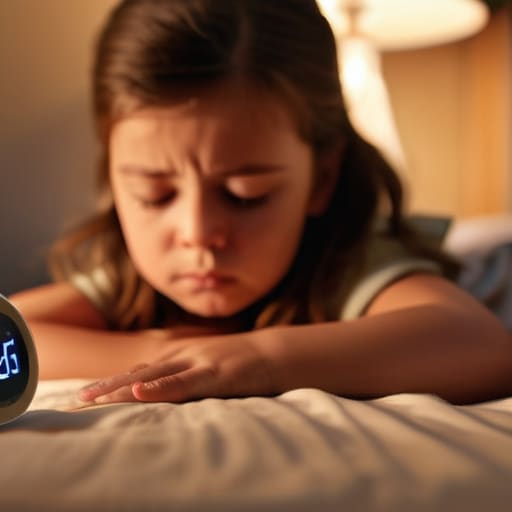
In the ward, we relied on clinical precision. In my living room, with a teething toddler who has decided my arm is a chew toy, I rely on sheer persistence. The first thing you need to grasp is that not all readings are created equal. You’ll see a lot of debate regarding rectal vs axillary temperature, and while the textbook will tell you the rectal route is the gold standard for accuracy in little ones under three, it is also the method most likely to result in a frantic, tearful standoff at midnight.
The axillary method—under the arm—is much gentler, but it’s notoriously finicky. If the thermometer isn’t tucked snugly against the skin, you’re essentially just measuring the ambient temperature of your hallway. When you are focused on reading a baby’s temperature accurately, remember that the goal isn’t just a number; it’s a baseline. My second child, Leo, was nearly two when I realized that a single high reading in isolation is often less important than the overall pattern of how he was actually acting. If he’s playing, he’s usually fine; if he’s limp and inconsolable, the number matters a lot less than the behavior.
Key Things to Know

First, let’s get the clinical reality straight so you don’t panic unnecessarily. If you are looking for the gold standard of accuracy, the medical consensus remains focused on rectal vs axillary temperature readings. In my eleven years on the ward, the rectal reading was always the one we trusted for the most critical decisions, especially for those tiny newborns under three months. An axillary (underarm) reading is fine for a quick check, but it’s notoriously fickle; a bit of sweat or a poorly placed probe can give you a reading that’s a full degree off.
However, I also know that when you are exhausted and trying to avoid a meltdown, a rectal reading feels like a Herculean task. If you’re using a digital thermometer for infants, remember that the method matters as much as the device. If you’re using an ear thermometer, you have to be incredibly precise with the angle of the ear canal, or you’re just measuring skin temperature rather than the core. Most importantly, keep a mental note of the trend of the fever rather than a single number. A slightly elevated temperature isn’t the enemy; it’s how the child is acting that tells the real story.
Practical Tips and Steps

If you’re choosing a method, the first thing the clinical manuals will tell you is that rectal vs axillary temperature is the great debate of pediatric nursing. In the ward, we leaned heavily on rectal readings for accuracy, especially in newborns under three months. It’s the gold standard, but let’s be honest: trying to perform a precise rectal reading on a squirming six-month-old while you’re half-asleep is a recipe for a mess and a very frustrated toddler. If your baby is older and more cooperative, an axillary (underarm) reading is much less invasive, though it’s prone to error if the skin is sweaty or the probe isn’t tucked tight.
When you are actually doing it, the trick is the environment. I learned with my second child that trying to use a digital thermometer for infants in a freezing cold room or a bright, loud living room is a losing battle. Find a dim, quiet corner. If you’re using an ear thermometer, ensure the probe is angled correctly toward the canal; if it’s not seated right, you’re just measuring the air in their ear. Precision requires a calm moment, and if the baby is mid-meltdown, you might as well wait ten minutes. You’ll get a more reliable number once the heart rate settles.
Common Mistakes to Avoid
The biggest mistake I see—both on the ward and in my own living room—is the pursuit of a “perfect” number that doesn’t actually exist. We get obsessed with the decimal point, but if you’re trying to decide when to call a pediatrician for fever, the number is often less important than the way the child is acting. I once had a parent in the unit, whose son was two, who was frantic because his thermometer read 38.1°C. The boy was playing with a wooden truck and drinking juice; he was fine. We spend so much energy on the clinical precision of a digital thermometer for infants that we forget to look at the human being in front of us.
Another trap is the “method hop.” You’ll find yourself switching between rectal vs axillary temperature readings every twenty minutes because the numbers aren’t matching up. Please, pick one method and stick to it for that specific fever spike. If you take a reading under the arm, then immediately try an ear thermometer, you aren’t getting a more accurate picture; you’re just getting confused data. When you’re exhausted, that confusion turns into unnecessary panic.
Final Thoughts
At the end of the day, whether you are debating rectal vs axillary temperature or just trying to find a quiet corner to use a digital thermometer for infants, remember that the number on the screen is only one part of the story. I’ve seen plenty of parents panic over a 38.2°C reading, only to find the child is actually playing happily with a wooden spoon ten minutes later. Conversely, I’ve seen “normal” numbers paired with a child who is unusually lethargic or inconsolable. Trust your gut as much as the device; if the number looks fine but your child feels wrong, that is your signal to act.
If you are looking for a definitive checklist for when to call a pediatrician for fever, keep it simple: look for dehydration, difficulty breathing, or a fever that won’t budge with fluids and rest. Most of the time, these middle-of-the-night temperature checks are just part of the exhausting, messy reality of keeping a little human healthy. You aren’t failing because the thermometer is being difficult or because your baby is fussy; you’re just doing the work.
Five things the manual forgets to tell you
- Trust the trend, not the single number. When my second child was eight months old, I remember panicking because the thermometer read 38.2°C, only to realize he’d just been wrestling with a heavy duvet. A single high reading is a snapshot; it’s the way the temperature climbs or stays steady over a few hours that actually tells you if they are heading toward a real fever or just a bit of a heat spike.
- The “wait twenty minutes” rule is harder than it looks. If you’ve just had a wrestling match with a toddler or they’ve been crying hysterically, their temperature is going to be artificially inflated by sheer physical exertion. I learned this the hard way with my eldest; you have to let them settle into a quiet, calm state for at least twenty minutes before you even bother with the thermometer, otherwise you’re just measuring their frustration.
- Temperature isn’t a fixed target. A “normal” temperature for a six-month-old might look slightly different from what you’d expect for a three-year-old, and even then, it fluctuates based on the time of day. Most kids are naturally a little warmer in the late afternoon. If you’re checking them at 4:00 PM and they feel warm, don’t assume they’re spiking; check them again when they’ve been still for a bit.
- Get the right tool for the specific age. Using an ear thermometer on a tiny newborn is a recipe for a meltdown and an inaccurate reading because their ear canals are too small. When my youngest was only three weeks old, we stuck strictly to the axillary (underarm) method because it was the least invasive, even if it felt a bit less “clinical” than the fancy gadgets.
- Prepare for the “thermometer dance.” No matter how much you read about being gentle, a thermometer is a foreign object being shoved into a small, sensitive space. If you try to do it while they are actively resisting, you’ll get a reading that’s wrong and a child who is terrified of the device. I found that if I waited until they were drowsy—not fully asleep, but in that heavy-lidded, half-conscious state—it was much easier to get an accurate reading without the drama.
The Quick Version
Trust the thermometer more than your hand, but trust your gut more than the number; if the reading says 37.2°C but your child is lethargic and won’t take fluids, call the doctor regardless of what the chart says.
Pick the right tool for the age—rectal is the gold standard for accuracy in infants under three months, but by the time my second child was eighteen months, a temporal or axillary reading was usually enough to tell us if we were dealing with a real fever or just a toddler who’d been running laps in the garden.
Don’t let the pursuit of a “perfect” reading keep you awake; if you’ve taken the temperature, checked their breathing, and they are hydrated, you have done your job, and it is okay to try and get some sleep.
One Last Thing Before You Head Back to Bed
If you take nothing else from this, remember that the number on that digital screen is just one piece of a much larger puzzle. You’ve got the right thermometer, you know the difference between an axillary and a rectal reading, and you’ve hopefully avoided the mistake of testing them right after a warm bath. But please, don’t get so caught up in chasing a specific degree that you miss the actual person in front of you. A temperature of 38.2°C (100.8°F) in a lethargic, pale six-month-old is a very different conversation than that same number in a toddler who is still playing with their Duplo and asking for juice. Trust your gut as much as the gadget.
I know how heavy that middle-of-the-night silence feels when you’re waiting for a thermometer to beep. It’s a lonely, high-stakes kind of tension that no nursing textbook can truly prepare you for. But I want you to hear this: if you are worried enough to be reading this guide at three in the morning, you are already doing the work. You aren’t failing because the fever is there; you are succeeding because you are paying attention. Take a breath, check their hydration, and if the math isn’t adding up, call the professional line. They are there to hold your hand through the uncertainty, just like I’m trying to do from here.