
Reading the Same Book Four Hundred Times
If you listen to the glossy parenting magazines, learning how to read with a toddler involves curated wooden bookshelves, rhythmic Montessori-style chanting, and a quiet, meditative stillness that simply does not exist in a house with small humans. They make it sound like a sacred, seated ritual, as if you’re sitting in a library rather than a living room that currently smells faintly of spilled apple juice and damp socks. I remember trying to follow the “proper” way with my second, who was about eighteen months old; I had the high-quality board books spread out perfectly, only for him to decide that the most important part of the story was seeing how fast he could launch the book across the room.
I’m not here to tell you how to build a perfect literacy environment, because that’s a fantasy. What I want to do is bridge the gap between what the paediatric textbooks say and what actually happens when you’re trying to finish a single sentence while someone is using your leg as a teething ring. I’ll give you the evidence-based basics, but I’ll also tell you when it’s okay to just give up and try again tomorrow.
Table of Contents
Understanding How to Read With a Toddler
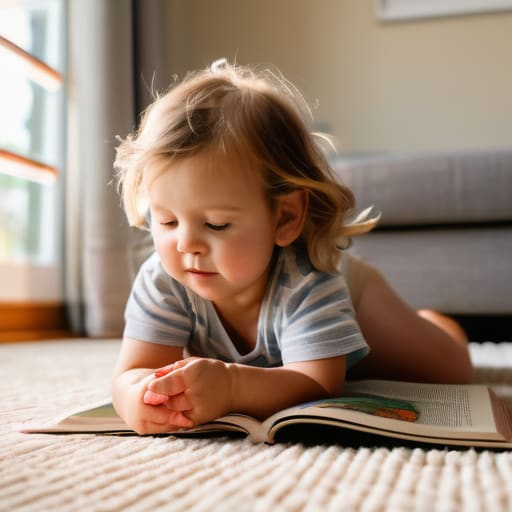
If you look at the clinical literature, the benefits of reading aloud are laid out in neat, undeniable bullet points: language acquisition, cognitive development, and building those vital early childhood literacy skills. And it’s true; the science is solid. But the science also assumes that a book is a static object designed to be viewed from left to right, in a quiet room, by a creature that isn’t currently obsessed with the texture of the rug.
In reality, reading with a two-year-old isn’t a lecture; it’s a negotiation. You aren’t just delivering a narrative; you’re engaging in interactive storytelling techniques where the “story” might involve three minutes of staring at a single illustration of a cow before they decide to flip the book upside down. When I was working on the ward, I saw how much a simple story could calm a child, but when I got home to my own lot, I learned that picture book selection for toddlers matters more than the plot. At eighteen months, they don’t care about the moral of the story; they care if the board book is sturdy enough to survive being thrown, or if the colors are bright enough to hold their gaze for more than ten seconds.
Key Things to Know

First, let’s talk about the physical reality of it. The clinical literature loves to talk about the benefits of reading aloud for language acquisition, and it’s right—it is vital. But the literature assumes a level of cooperation that simply doesn’t exist in a two-year-old. At eighteen months, my eldest treated a beautiful hardback like a frisbee; by two, my second was more interested in the texture of the page than the plot. You have to accept that the book is often secondary to the connection. If they are pointing at a dog and screaming “Woof!”, they are learning. Even if you haven’t even made it past the cover.
Second, your choice of material matters, but perhaps not how you think. When it comes to picture book selection for toddlers, don’t go for the densest prose just because you want to foster high-level literacy. At this age, they need high contrast, sturdy pages, and a bit of tactile engagement. If the book is too long, you’re fighting a losing battle against a biological clock that resets every three minutes. Sometimes, the best way to “read” is to let them lead, even if it means reading the same three pages about a red tractor for the fourteenth time in a row.
Practical Tips and Steps
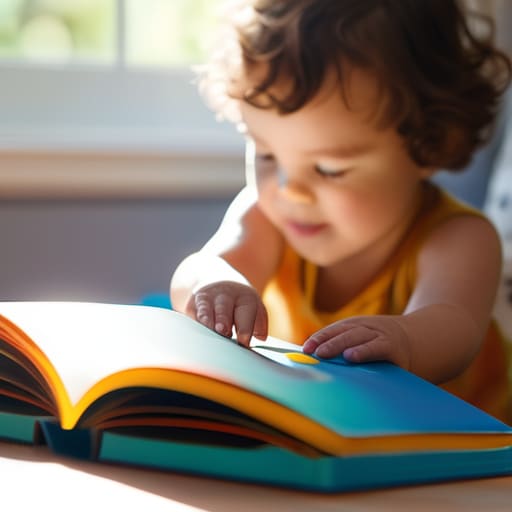
First, let’s talk about the books themselves. If you’re picking books based on what looks “educational” on a shelf, you’re probably setting yourself up for a battle. My second child, Leo, was eighteen months when I realized that if the book didn’t have something he could physically touch or turn, it was basically a paperweight. When it comes to picture book selection for toddlers, go for the sturdy stuff—thick board pages that can survive being chewed or thrown. Look for high-contrast images or textures; adding a bit of sensory reading activities, like a book with a fuzzy patch or a lift-the-flap, changes the game from a lecture to a shared discovery.
Secondly, forget the idea that you need to sit them down and read from page one to the end. That is a recipe for a meltdown. Instead, try some loose interactive storytelling techniques: let them point at the dog, make the “vroom” noise, or even skip the text entirely to just talk about the colors. I found that by the time my third was two, we weren’t “reading” so much as having a conversation about the pictures. It’s less about the words and more about the connection, even if they only stay for three pages before deciding they’d rather play with a wooden spoon.
Common Mistakes to Avoid
The biggest mistake I see—and I’ve made it myself, usually when I’m too tired to function—is treating a book like a lecture. We get this idea that we need to sit them down and finish the story from cover to cover to build early childhood literacy skills. But if you try to force a two-year-old to follow a linear narrative when they are currently obsessed with a single drawing of a duck, you’re going to lose them. When I was working on the ward, I saw how much more kids engaged when we let them lead; the same applies at home. If they want to flip back to page three for the tenth time, let them.
Another trap is the “performance” aspect. We often think we need to use elaborate interactive storytelling techniques, doing funny voices and dramatic gestures to keep them engaged. It’s exhausting, and frankly, it’s often overkill. If you’re performing a one-man show every evening, you’ll burn out by Tuesday. Sometimes, the best thing you can do is just sit there, let them point at the pictures, and exist in the same space as the book. It isn’t about the perfection of the reading; it’s about the connection to the story and to you.
Final Thoughts
If you’re sitting on the floor right now, feeling like you’ve failed because your two-year-old just decided the book was actually a projectile to be launched across the room, take a breath. The clinical guidelines will tell you about the long-term benefits of reading aloud for brain development, and they aren’t wrong, but they don’t account for the sheer physical stamina required to stay patient when you’re on your fourth cup of lukewarm tea. When my second child was eighteen months, “reading” mostly involved me narrating the pictures while he chewed on the corner of a board book. It felt like a failure then; looking back, it was just the reality of the stage.
Don’t aim for perfection or a quiet, focused session. If you can manage even three minutes of actual engagement, you’re doing fine. Whether you’re using interactive storytelling techniques or just pointing at a dog and making a barking sound, you are building a foundation. Some days the books will stay on the shelf, and some days they will end up in the dog’s water bowl. That is not a parenting failure; it is just Tuesday.
Five ways to survive (and actually enjoy) reading time
- Forget the narrative arc. When my second was eighteen months, she didn’t care about the plot of The Very Hungry Caterpillar; she cared about the holes in the pages. If they want to spend ten minutes pointing at a single yellow circle and shouting “Sun!”, let them. The goal isn’t finishing the book; it’s making them realize that books are something you do together.
- Follow the “one-finger rule.” If they are grabbing the book, they are leading. If they want to flip the pages so fast they practically create a breeze, let them. I spent years thinking I had to model “proper” reading, but by the time my third was two, I realised that if I fought their rhythm, they just stopped wanting to sit near me.
- Use the “voice-over” technique for the chaos. When you’re dealing with a toddler who is currently trying to eat the corner of a hardback, don’t stop reading. Just narrate what’s happening in a calm, low voice. “Oh, look, the bear is going to bed, and now you’re trying to chew the blue part.” It keeps the connection alive without turning a reading session into a wrestling match.
- Keep the “active” books separate from the “quiet” books. I learned this the hard way with my eldest. If you try to read a gentle bedtime story while they’re in a high-energy, “I want to jump on the sofa” mood, you’re going to lose. Save the heavy, text-based books for when they’re actually settling, and use the chunky, sensory ones for when they need to move.
- Accept the “halfway” victory. There is no shame in opening a book, reading three sentences, and having it end with them running off to find a plastic dinosaur. I used to feel like I was failing the “literacy” test if we didn’t reach the end, but at age two, a three-minute engagement is a massive win. Don’t turn a failed reading session into a battle of wills; just close the book and try again tomorrow.
The Real-World Summary
Forget the “reading sessions” the experts talk about; at eighteen months, reading is less about literacy and more about whatever happens to be in your hands when they decide to sit near you.
If they want to flip every page, rip a corner, or skip the text entirely to talk about the dog on page four, let them—the goal is loving the book, not finishing the chapter.
Don’t judge your progress by how much of the story you actually get through; if you managed three minutes of engagement before the chaos resumed, you’ve done enough.
The Reality of the Storybook
If you take anything away from this, let it be that reading with a toddler isn’t about finishing the book or following the narrative arc. It’s about the fact that they might rip a page, decide the picture of the duck is more interesting than the actual words, or insist on reading the same three-page board book for forty-five minutes straight. The “expert” advice tells you to foster literacy, but the practical reality is that you are mostly just building a sense of connection. Don’t sweat the missed milestones or the lack of focus; when they are eighteen months old, their attention span is about as reliable as a cheap battery. Just keep showing up, keep the books accessible, and embrace the chaos of a story that goes nowhere fast.
I remember my second child, who at two years old, would only “read” if I sat on the floor and let him use my leg as a footrest. It wasn’t the most efficient way to teach phonics, but it was the most important way to teach him that he was seen. There will be nights when you are too exhausted to care about the “educational benefits” of a bedtime story, and that is perfectly fine. You aren’t failing because the reading session was a mess; you are succeeding simply by being there. At the end of the day, the books are just the excuse to sit close together, and that is the part that actually sticks.