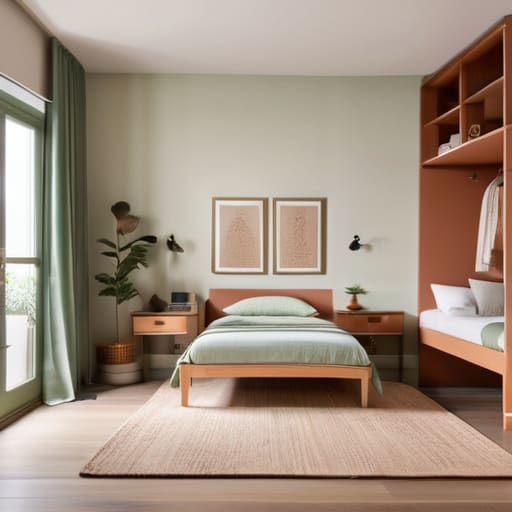
Making a Shared Bedroom Work
You can spend a small fortune on “sensory-neutral” dividers, designer bunk beds, and those expensive Montessori-style floor mats that promise to turn a cramped room into a peaceful sanctuary. But if you’ve ever been woken up by the sound of a four-year-old trying to use their brother’s forehead as a drum kit, you know that none of those gadgets actually teach you how to share a bedroom between siblings. I learned that the hard way with my second and third, when the “spatial boundaries” I’d read about in parenting magazines evaporated the second the lights went out. The books tell you about developmental milestones and social cohesion, but they rarely mention the sheer exhaustion of mediating a dispute over a stolen Lego piece at 3:00 AM.
I’m not here to sell you a lifestyle or a new piece of furniture. What I want to do is bridge the gap between the clinical advice I used to give on the paediatric ward and the messy, loud reality of my own house. I’ll give you the practical stuff that actually works—like how to manage the physical layout for different ages and when to just accept that a little bit of chaos is unavoidable. This isn’t about perfection; it’s about finding a way to make the room function so you can all finally get some sleep.
Table of Contents
Understanding How to Share a Bedroom Between Siblings
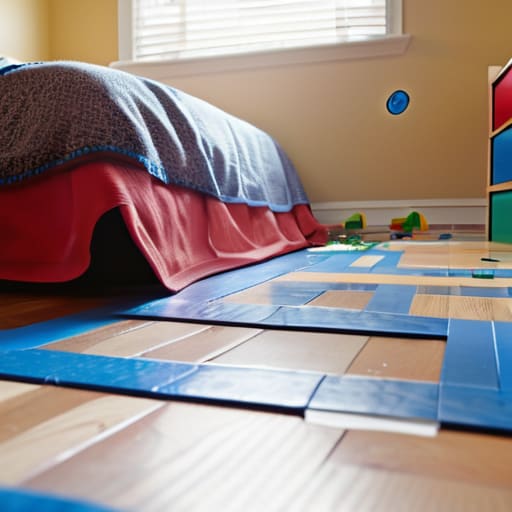
The clinical manual will tell you that shared sleeping quarters promote social development and cooperation. In the ward, we saw kids bond in shared bays, but those kids didn’t have a three-year-old sibling who thinks a LEGO set is a projectile weapon. When you’re looking at a bedroom layout for two kids, you have to stop thinking about “decorating” and start thinking about territory. At age four, my second child decided that the middle of the floor was his sovereign nation, and anything crossing that line was an act of war.
You can spend a fortune on fancy sibling room divider ideas, like bookshelves or hanging screens, but the physics of a small room often win out. The real work isn’t in the furniture; it’s in creating personal zones in shared rooms through much smaller, more manageable boundaries. I learned with my third, who was five, that even a rug or a specific bedside lamp can act as a psychological border. It’s about giving them a sense of “this is mine” so they don’t feel the constant, nagging need to grab what belongs to the other.
Key Things to Know
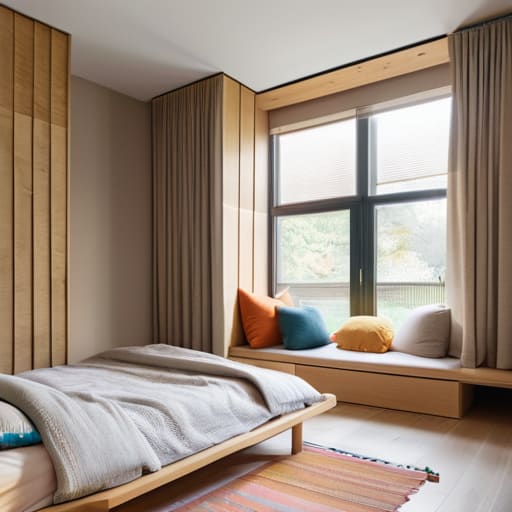
First, we need to talk about the developmental gap. When my eldest was four, he thought a shared room was a permanent invitation to a wrestling match; by the time my third was six, she needed a sanctuary that felt entirely hers. You cannot treat a four-year-old and a seven-year-old the same way, even if they are sharing the same four walls. The goal isn’t just maximizing small bedroom space; it’s about recognizing that a child’s need for privacy evolves. At age five, “privacy” might just mean a corner where their Lego doesn’t get stepped on, but by age nine, it’s about having a place to hide when they’re feeling overwhelmed.
You also have to accept that the “perfect” floor plan is a myth. I’ve spent many a night listening to the muffled arguments that happen when one child is trying to sleep and the other has decided it is the optimal time to practice their dinosaur roars. While you can look into various sibling room divider ideas—like bookshelves or even just clever rug placement—nothing replaces the need for clear, predictable rules. You aren’t just managing furniture; you are teaching kids to share space, which is a much harder skill than any interior designer would ever admit.
Practical Tips and Steps
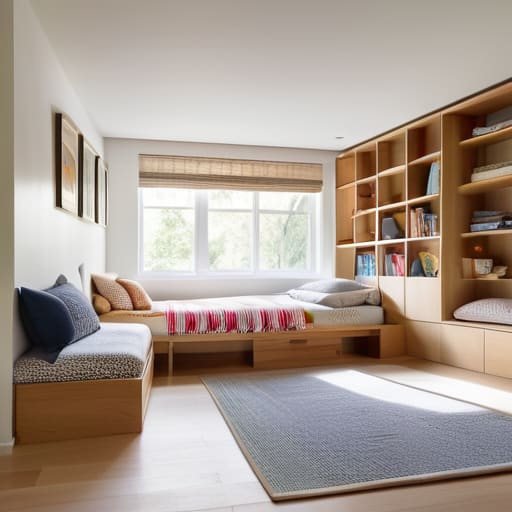
First, we need to talk about the physical setup, because you can’t expect harmony if they’re constantly tripping over each other’s Lego. When I was looking at my second and third, I realized that maximizing small bedroom space isn’t just about clever storage; it’s about sightlines. If they can see each other’s every move, they will find something to comment on. I found that using low bookshelves as sibling room divider ideas worked wonders for my five-year-old and three-year-old. It gave them a visual “mine” and “yours” without making the room feel like a dark cave.
Once the layout is settled, the real work begins: teaching kids to share space without a meltdown. You have to establish “zones.” Even in a tiny room, a specific rug or a certain corner can be designated as a person’s private territory. I tell my kids that if they are in the “Blue Zone,” they are off-limits for toy borrowing unless they ask. It sounds simple, but when you’re dealing with a four-year-old who has the impulse control of a caffeinated squirrel, having these clear, non-negotiable boundaries is the only thing that prevents the inevitable 6:00 AM shouting match.
Common Mistakes to Avoid
The biggest mistake I see—and I fell for it with my second and third—is trying to force a “perfect” equality that doesn’t exist. You might spend a whole weekend maximizing small bedroom space to make sure both beds are identical and both toy bins are perfectly symmetrical, but children aren’t symmetrical. One child might be a quiet reader who needs a cocoon, while the other is a whirlwind of movement. If you try to make their environments carbon copies, you’ll just end up with two frustrated kids instead of one.
Another trap is assuming that “sharing” is a skill they are born with. It isn’t. We often treat it like a given, but teaching kids to share space is actually a massive, ongoing negotiation. I used to think that if I just set up some clever sibling room divider ideas, like a bookshelf or a curtain, the conflict would vanish. It didn’t. The divider just gave them something new to fight over. You can’t solve a territorial dispute with furniture; you have to acknowledge that the friction is a normal part of the process, not a sign that your floor plan has failed.
Final Thoughts
Look, if you’ve followed everything I’ve said here and you’re still staring at a pile of mismatched LEGO and two kids who refuse to acknowledge each other’s existence, please know that you haven’t failed. There is no perfect blueprint for maximizing small bedroom space when you have two distinct, stubborn personalities living inside it. I remember when my second and third tried to share; I had all the best sibling room divider ideas ready to go, but it took nearly six months before they stopped treating the middle of the floor like a demilitarized zone.
Ultimately, you aren’t just managing furniture; you are teaching kids to share space and, more importantly, how to navigate the friction that comes with it. Some nights the layout will work, and some nights you’ll find yourself standing in the hallway at midnight wondering why a disputed stuffed animal has caused a total breakdown in diplomacy. Just remember that the goal isn’t a showroom-ready bedroom; it’s a room where they can eventually grow up to be friends. Give it time, and give yourself a bit of grace when it inevitably goes sideways.
Five ways to survive the transition without losing your mind
- Respect the ‘micro-territory.’ When my second child was three and my third was just a tiny infant, I realized that a shared room isn’t about equal square footage; it’s about having one thing that is yours. Whether it’s a specific rug, a certain bedside shelf, or even just a particular way their books are stacked, that tiny bit of un-invadable space is what prevents the “he touched my stuff!” meltdown at 10:00 PM.
- Master the art of the ‘visual barrier.’ The textbooks talk about developmental stages, but they don’t mention the sheer chaos of a four-year-old watching a toddler play with a light-up dinosaur in the middle of the night. If you can’t use a physical divider like a bookshelf, even a simple canopy or a change in how the beds are positioned can help. If they can’t see the other person’s movement, their brain is much more likely to stay in sleep mode.
- Implement a ‘low-sensory’ rule for shared spaces. In the ward, we called it managing the environment, but at home, it’s just about survival. If one child is a light sleeper and the other is a human wrecking ball, you need a strict protocol for noise and light. This means dimmers, white noise machines (which were a godsend when my eldest was five), and a very clear rule that “play” happens in the living room, not under the duvet.
- Don’t expect the ‘fairness’ logic to work. One of the biggest mistakes I made with my first two was trying to make everything identical to avoid conflict. It doesn’t work. A five-year-old and a two-year-old have fundamentally different needs. Trying to force them into the same routine or the same bedspreads usually just results in someone feeling cheated. Accept that the older one gets more ‘complexity’ and the younger one gets more ‘simplicity.’
- Build in an ‘escape hatch’ for the inevitable meltdown. There will be a night—usually around month three of the new arrangement—where the screaming becomes a physical weight in the room. Have a plan for where the ‘offender’ goes. Sometimes that means a temporary move to a parent’s bed or a floor mattress in the hallway. It isn’t a failure of your parenting or a permanent breakdown of the system; it’s just a tactical retreat so everyone can get some actual sleep.
The Short Version (For when you're too tired to read)
Preparation is a theory, but boundaries are a practice; you can map out the room perfectly on a Sunday afternoon, but you’ll need to adjust the physical “zones” every time a child hits a new developmental milestone or a growth spurt.
Sleep is the non-negotiable metric; if the shared room is causing one child to lose more than an hour of restorative sleep a night, the “social benefits” of sibling bonding aren’t worth the developmental cost, and it might be time to reconsider the layout.
Expect the “honeymoon phase” to fail; it worked for my second child when they were four and five, but it only stayed peaceful because we accepted that there would be a messy, loud transition period where the rules had to be rewritten every single week.
The Long Game
At the end of the day, you can buy all the dividers, dimmable lights, and noise machines in the world, but they won’t stop a four-year-old from deciding that 3:00 AM is the perfect time to whisper a “secret” about a dinosaur to their sleeping brother. You’ve looked at the layouts, you’ve set the boundaries, and you’ve probably already failed at least once this week when the “spatial separation” turned into a wrestling match. Just remember that there is no perfect setup. Whether you’re managing different sleep cycles or just trying to prevent a territorial dispute over a Lego set, the goal isn’t a flawless, silent room; it’s a space where they can eventually learn to coexist without you needing to step in every ten minutes.
If you’re feeling like you’ve missed something or that your kids are “failing” at sharing, please stop. I’ve seen it from the nursing side and the parent side, and I can tell you that conflict is part of the development, not a sign of bad parenting. These years of cramped quarters and shared territory are messy, loud, and often exhausting, but they are also the years where they learn the most about each other. One day, they won’t be fighting over the bedside lamp; they’ll be adults who actually know how to be in a room together. For now, just get through the night, and know that you’re doing much better than the textbooks lead you to believe.