
Getting a Toddler to Try Something New
I’ve sat through enough “expert” seminars to know that the glossy brochures are lying to you. They make it sound like if you just buy the right silicone feeder or master the art of “sensory play,” your child will suddenly become a tiny, kale-loving enthusiast. But when you’re staring at a pile of mashed sweet potato that has been more effectively used as wall decor than fuel, those expensive gadgets feel like a cruel joke. Most of the advice on how to encourage new foods assumes you have the patience of a saint and a kitchen that stays clean, rather than a house full of tiny humans who have decided that anything green is a personal insult.
I’m not here to give you a lecture on nutritional compliance or tell you to buy a subscription box. I’m going to tell you what actually happens when you try the “repeated exposure” method with a defiant two-year-old, and which tactics actually work when you’re running on four hours of sleep. I’ll give you the clinical reality of what a child’s palate needs, balanced against the messy, unglamorous reality of feeding four kids in a house that never stays quiet.
Table of Contents
- What the Manual Says vs How to Encourage New Foods
- Understanding Food Neophobia in Children and Why It Isnt Your Fault
- Toddler Picky Eating Strategies That Actually Survive a Meltdown
- Sensory Food Exploration Techniques for the Truly Reluctant Eater
- The Magic of Repeated Food Exposure Benefits and Social Modeling
- Gentle Feeding Approaches and Creating a Positive Mealtime Environment
- Five Things That Actually Work (When You’ve Run Out of Patience)
- The Short Version (For When You’re Too Tired to Read)
- The Long Game (And Why You're Doing Fine)
What the Manual Says vs How to Encourage New Foods

If you look at a clinical handbook, they’ll talk to you about food neophobia in children as if it’s a technical glitch to be patched. The manual tells you that repeated food exposure benefits are key—that you should offer that same piece of cauliflower ten, fifteen, even twenty times before expecting a win. In a sterile environment, that sounds logical. In a kitchen with a three-year-old who has decided that anything green is a personal insult, it feels like a slow-motion battle of wills.
The textbook also loves to preach about creating a positive mealtime environment, suggesting you sit calmly and model good behavior. I remember thinking I was a master of this during my nursing shifts, but then my second child turned a simple dinner into a theatrical production of grief because the pasta was “too wiggly.” The manual forgets that social modeling at dinner only works if you aren’t secretly vibrating with frustration. The science is sound, but it doesn’t account for the sheer, exhausting stubbornness of a toddler who has finally discovered they have a vote in how they live.
Understanding Food Neophobia in Children and Why It Isnt Your Fault
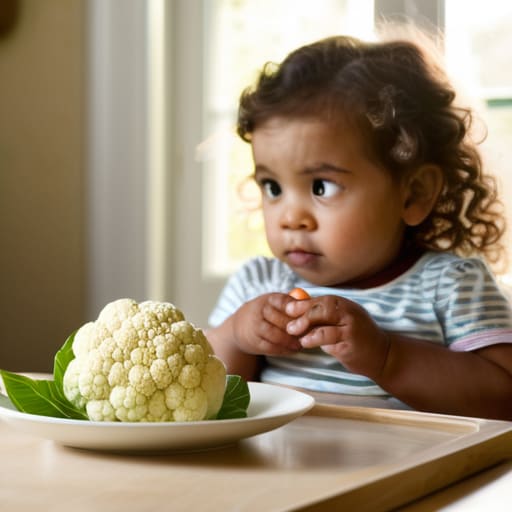
First, let’s get the heavy lifting out of the way: if your two-year-old treats a piece of cauliflower like it’s a live grenade, you haven’t failed as a parent. There is a biological reason for this, and it’s called food neophobia in children. Evolutionarily speaking, it makes sense. A toddler who is suspicious of anything they don’t recognise is a toddler who isn’t accidentally eating something poisonous. It’s a survival mechanism that kicks in right around the age of two, and while it feels like a personal vendetta against your Sunday roast, it’s actually just their brain doing its job.
In the ward, I saw kids who were “difficult” eaters, but usually, they were just kids navigating a massive developmental leap. When you’re dealing with toddler picky eating strategies, the biggest mistake is thinking you can logic them out of it. You can’t. You can’t explain the nutritional benefits of spinach to a child who is currently preoccupied with the fact that the spinach is green. It’s a sensory battle, not a debate. Understanding that this is a phase—and a biological one at that—is the first step toward keeping your sanity intact.
Toddler Picky Eating Strategies That Actually Survive a Meltdown
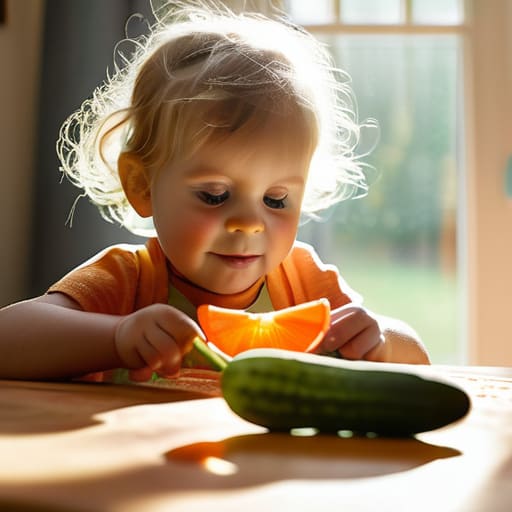
When things go south and the broccoli becomes a projectile, you need strategies that don’t require a PhD or a calm temperament. The textbook loves to talk about sensory food exploration techniques, which sounds lovely until you’re trying to get a two-year-old to touch a piece of cucumber without a full-scale meltdown. In practice, that often means letting them play with the food without the pressure to actually swallow it. I learned this with my second, who was four when he finally stopped treating mashed carrots like they were radioactive. If they can touch it, smell it, or even just move it around the plate, you’re winning.
The real secret to surviving the chaos is leaning into social modeling at dinner. It’s much harder for a child to reject everything when they see you eating the same thing with genuine interest. Don’t make a production out of their plate; just eat your own food and keep the conversation light. If they refuse, don’t turn it into a negotiation or a battle of wills. Just say, “Okay, maybe next time,” and move on. It feels like failing in the moment, but those small, low-pressure interactions are what actually build the bridge to a decent meal later on.
Sensory Food Exploration Techniques for the Truly Reluctant Eater
When we talk about sensory food exploration techniques, the textbooks usually suggest letting them “touch, smell, and play” with the food. That sounds lovely in a clinical setting, but in a real kitchen, it often looks like a floor covered in smashed peas. My second child, Leo, was a prime example. At eighteen months, even the sight of a piece of bell pepper could trigger a full-scale tactical retreat. Instead of forcing a fork into his hand, we started with “no-pressure” exposure. This meant he didn’t have to eat anything; he just had to exist in the same zip code as the food. Sometimes that meant he just moved a piece of broccoli from one side of the plate to the other, which, in the grand scheme of things, was a win.
The real trick is to decouple exploration from consumption. You can use gentle feeding approaches by letting them use a paintbrush to “paint” with yogurt or use a plastic dinosaur to “stomp” through mashed sweet potato. It sounds silly, and it’s messy, but it lowers the stakes. By the time he was two, the sheer novelty of the texture had worn off, and the actual eating became a secondary, much less threatening event.
The Magic of Repeated Food Exposure Benefits and Social Modeling
The textbooks love to talk about the “repeated food exposure benefits,” which sounds lovely and clinical. In practice, it just means you’re going to be putting that same piece of cauliflower on a plate about fifteen times before anyone even thinks about tasting it. I remember with my second, Leo, I felt like I was failing because he’d reject the same sweet potato every single Tuesday. But the science is right: it often takes ten, sometimes twenty, attempts before a child moves from “staring at it suspiciously” to “actually swallowing it.” It isn’t a battle of wills; it’s just a slow, repetitive process of getting used to a new texture or smell.
While you’re playing the long game, don’t forget the power of social modeling at dinner. You can use all the sensory food exploration techniques in the world, but if you’re hovering over them like a hawk, they’ll only tense up. When my eldest was three, I stopped making “the broccoli” a separate event and just started eating it myself, quite loudly, without making a scene. If they see you enjoying a positive mealtime environment where food isn’t a negotiation, they eventually get curious. It’s less about the lecture and more about them seeing that the green stuff won’t actually bite you.
Gentle Feeding Approaches and Creating a Positive Mealtime Environment
The clinical textbooks love to talk about a “positive mealtime environment” as if it’s something you can just switch on like a lightbulb. In a ward setting, it’s easy to maintain: scheduled times, calm lighting, and no distractions. But in a house with four kids, a “positive environment” usually involves someone crying because their toast was cut into triangles instead of squares. The reality is that gentle feeding approaches aren’t about perfection; they are about lowering the stakes. If the dinner table feels like a courtroom where every bite is being cross-examined, your child is going to shut down.
I learned this the hard way with my second, who was about eighteen months old. I tried to turn every meal into a lesson on nutrition, and all I got was a child who viewed the high chair as a place of interrogation. Now, I focus on social modeling at dinner. I sit down, I eat the same thing they do (even if it’s just a pile of pasta), and I keep the conversation away from the plate. If they don’t eat, we don’t make it a battle. We just try again tomorrow.
Five Things That Actually Work (When You’ve Run Out of Patience)
- Stop making the new food the main event. When I had my second, Leo, he could smell a “learning opportunity” from across the kitchen and would immediately shut down. Instead, serve the new thing—even if it’s just a tiny sliver of cucumber—alongside his absolute safest, most boring food. It lowers the stakes. If he doesn’t touch the green bit, at least he’s eaten his pasta, and nobody’s crying.
- Use the “One Bite Rule” with caution. The textbooks love this, but for a four-year-old in the middle of a sensory meltdown, being forced to taste something can turn a meal into a battlefield. I found that for my middle two, it worked better to frame it as “just touching it with your tongue” or “smelling it” first. If they can handle the texture without a crisis, the actual swallow becomes much easier later on.
- Ditch the “just one more mouthful” negotiation. It feels like you’re winning in the moment, but you’re actually just teaching them that persistence—and eventually a tantrum—is the way to get out of eating. I learned the hard way with my eldest that once the meal is over, it’s over. If they haven’t eaten the broccoli, they haven’t eaten the broccoli. You’ll survive the hunger pangs, and they’ll learn that the kitchen isn’t a negotiation table.
- Get them involved in the “prep” stage, even if it’s messy. When my youngest, Maya, was about two and a half, she started helping me tear up lettuce or stir the bowl. It sounds like a cliché, but it changes the food from “something scary being forced upon me” to “something I helped create.” Even if she just ends up wearing half the flour, that sense of agency is massive for reducing food fear.
- Watch the clock, not just the plate. If your child is hitting that 5:00 PM wall of exhaustion, do not attempt to introduce a new food. Trying to expand a palate when a toddler is overstimulated and tired is a recipe for a night of tears and a very frustrated parent. Save the new stuff for a weekend lunch when everyone is fed, rested, and slightly less likely to treat a piece of cauliflower like a personal insult.
The Short Version (For When You’re Too Tired to Read)
Expect the “rejection phase” to last longer than the textbooks suggest; my second child, who was about 18 months, refused almost every vegetable for three months straight, and it wasn’t a crisis, it was just a phase.
Stop making “new food” a battleground; if you turn every bite of broccoli into a high-stakes negotiation, you’re just teaching them that mealtime is a place for power struggles rather than eating.
Focus on exposure over consumption; if they just touch the food or let it sit on their plate without a meltdown, count that as a win, because the goal is familiarity, not a clean plate.
The Long Game (And Why You're Doing Fine)
If you’ve taken anything away from this, let it be that feeding a child is less about a single “win” at dinner and more about a slow, often frustrating, series of tiny experiments. We’ve talked about the science of food neophobia, the necessity of repeated exposure, and the way sensory play can bridge the gap between a stranger and a snack. But at the end of the day, the goal isn’t a perfectly balanced plate every single night; it’s about building a relationship with food that doesn’t involve tears or power struggles. Whether you are using social modeling or just trying to survive a sensory meltdown, remember that the textbook’s “optimal nutritional intake” often takes a backseat to the reality of a child who simply refuses to touch anything green today.
I remember my second child, who was about two years old, and the sheer, soul-crushing exhaustion of feeling like every meal was a battlefield. I felt like I was failing because I couldn’t just “implement the strategies” I’d read about. But here is the truth from someone who has sat on both sides of the hospital bed and the kitchen table: this is a phase, not a permanent state of being. You are not a bad parent because your toddler prefers beige carbohydrates to broccoli. Hold steady, keep offering the new stuff without the pressure, and trust the process. Some nights are for battles, but most are just about getting through to tomorrow.