Carving Out Space in a House That Has None
I once spent a small fortune on those modular, Scandinavian-style storage units that promised to turn a chaotic living room into a zen-like sanctuary of learning and leisure. The brochure made it look so easy: a designated nook for focused study and a separate, tidy zone for creative expression. But when I actually tried to implement a system for how to create space for homework and play with four kids under the age of ten, I realized the brochure hadn’t accounted for a six-year-old who treats a math workbook like a coaster or a toddler who views a “quiet reading corner” as a prime target for Lego demolition.
I’m not going to sell you on the idea that you need a dedicated floor plan or a designer’s budget to make this work. Instead, I want to talk about what actually functions when the house is loud and the afternoon is sliding toward chaos. I’ll share what I’ve learned from eleven years in nursing and four years of real-world trial and error, focusing on practical, low-stakes ways to manage the overlap. We’ll look at what works for different ages, where the inevitable failures happen, and how to stop fighting your floor plan so you can start breathing again.
Table of Contents
Understanding How to Create Space for Homework and Play
The textbooks will tell you that children need distinct, dedicated zones for cognitive development and physical play. They’ll talk about “environmental cues” and “structured stimulation,” which sounds lovely until you’re living in a two-bedroom flat where the dining table is currently a battlefield of LEGO bricks and half-finished long division. In my nursing days, I saw how much a controlled environment helped a sick child settle, but in my own house, I’ve learned that rigidity is often the enemy of progress.
When you’re zoning small living spaces, the goal isn’t to build a classroom; it’s to manage the mental load. I found that when my second child was four, we stopped trying to find a “perfect” spot and started using vertical storage solutions for kids to get the floor back. If you can clear the visual noise, the brain can actually focus. You don’t need a dedicated study wing; you just need a corner where the glitter doesn’t migrate. It’s about creating a sense of predictability rather than perfection, because at five years old, a child’s ability to focus is as fleeting as my ability to stay awake through a toddler’s tantrum.
Key Things to Know
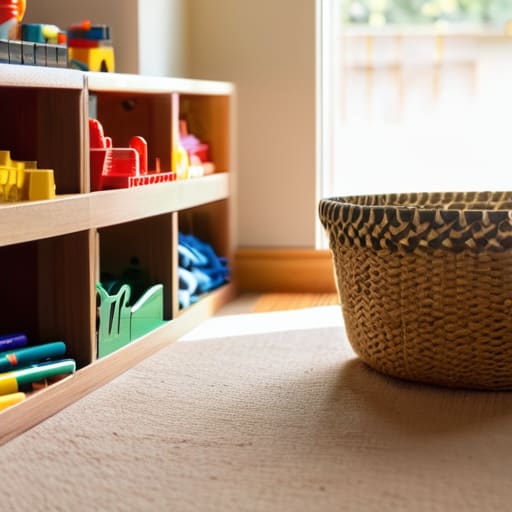
First, let’s talk about the physical reality of your floor space. When I was nursing on the ward, the rooms were clinical and predictable; when I’m at home with four kids, the floor is a shifting landscape of LEGO and half-finished drawings. If you are organizing small child rooms, the biggest mistake is trying to make a single space do everything at once. A three-year-old doesn’t need a desk, but they do need a defined “yes” zone where they can dump their toys without you tripping over them at midnight.
Second, you have to accept that “zones” are often more psychological than physical. In a small house, you aren’t building separate rooms; you are zoning small living spaces using rugs, low bookshelves, or even just the way the light hits a corner. I learned with my second child, who was four when he finally stopped trying to do his phonics in the middle of a high-speed car race with his siblings, that a clear boundary—even if it’s just a specific chair—is worth more than any expensive piece of equipment. If the space feels like a battlefield, the brain won’t settle into “focus mode.”
Practical Tips and Steps
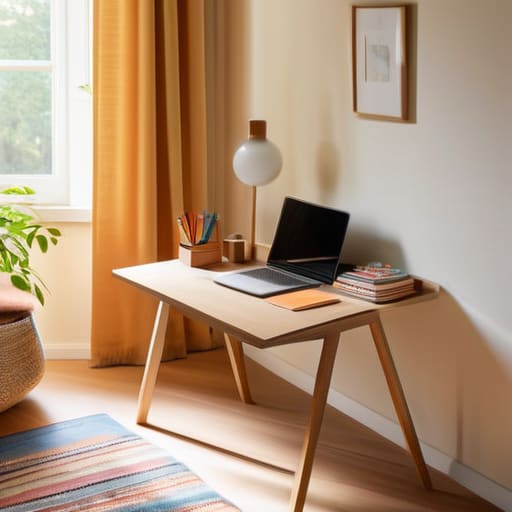
First, let’s talk about the physical stuff. If you’re working with a small footprint, stop trying to find a dedicated “study room” that doesn’t exist. Instead, look at zoning small living spaces using things that move. When my second child was five, we realized a desk in the corner of the lounge was just a magnet for half-eaten toast and Lego. We switched to a small, foldable table that tucked away when the school day ended. For the older ones, I’ve found that ergonomic study stations don’t need to be expensive, but they do need to be consistent. If they have a specific spot where the light is good and the distractions are low, their brains eventually start to make that connection.
The second part is the battle against the “stuff” creep. You can spend hours decluttering play areas, but if you don’t have a system for the aftermath, you’ll be back at square one by Tuesday. I’m a big believer in vertical storage solutions for kids; getting the bins off the floor and onto low shelves makes it much easier for a six-year-old to actually participate in the cleanup. It’s not about perfection, it’s about making sure the floor isn’t a minefield when you’re trying to make tea.
Common Mistakes to Avoid
The biggest mistake I see—and I’ve made it myself with my second child—is the attempt to force a “one-size-fits-all” zone. We read that a child needs a dedicated desk for focus, so we buy this beautiful, heavy wooden piece that sits in the corner of the living room. But when you’re decluttering play areas to make room for that desk, you often end up creating a graveyard for half-finished Lego sets and stray socks. If the “study zone” is constantly being invaded by a stray dinosaur or a rogue coloring book, the brain never actually switches into gear. You can’t expect a six-year-old to focus on phonics when their visual field is a battlefield of toys.
Another trap is over-engineering the solution. I once spent an entire weekend organizing small child rooms with specialized bins for every conceivable category of plastic trinket. It looked perfect for exactly twenty minutes. The reality is that if a system is too complex, a child—especially one who is tired or frustrated—will simply bypass it and leave a trail of chaos in their wake. Complexity is the enemy of tidiness when you have small hands and zero patience. Aim for systems that a toddler can actually manage, or you’ll just end up doing all the heavy lifting yourself at midnight.
Final Thoughts
If you try to implement everything I’ve said here by Monday morning, you will likely fail. I certainly did with my second. I spent an entire weekend organizing small child rooms with the precision of a surgical ward, only for my three-year-old to treat the new system like a personal challenge to see how quickly he could dismantle it. The truth is, your home is a living, breathing thing, not a museum of perfect productivity.
Don’t get caught in the trap of thinking you need a sprawling estate or high-end multifunctional furniture for kids to make this work. You just need a bit of grace for the inevitable mess. Some days, the “zones” will work beautifully; other days, the LEGOs will migrate from the playroom to the dining table, and the homework will be done on the sofa while someone is being bounced on a knee. Accept the chaos as part of the process. If you can find even ten minutes of quiet focus amidst the clutter, you’re doing better than you think.
Five ways to stop the house from feeling like a battlefield
- Stop trying to find a ‘dedicated’ zone that doesn’t exist. When my second child was four, I spent a fortune on a specific play corner that stayed pristine for exactly twelve minutes before it was swallowed by Lego. Instead, think in ‘zones’ that can be reset. A tray that slides under the sofa for art supplies, or a basket that sweeps all the blocks into one corner at 7:00 PM, works far better than trying to maintain a permanent museum of childhood.
- Match the environment to the age, not the textbook. A six-year-old needs a surface that isn’t wobbly and a chair that actually holds them, otherwise, they’ll spend twenty minutes just trying to stay upright instead of doing their phonics. But a ten-year-old? They need a bit of ‘away.’ If they’re working in the middle of the kitchen island while you’re chopping onions, they aren’t focused; they’re just performing.
- The ‘Visual Boundary’ trick. For my three-year-old, ‘playtime’ was a concept that didn’t exist until I introduced a physical cue—like a specific small rug. If they were on the rug, they were playing; if they stepped off, the game was over. It sounds simple, almost silly, but giving a child a physical marker helps them understand the transition between ‘chaos mode’ and ‘quiet mode’ much better than a verbal command ever will.
- Accept the ‘High-Functioning Mess.’ There is a massive difference between a child who is actively engaged in a project and a child who is just making a mess to be difficult. If your seven-year-old has a sprawl of science books and half-finished drawings across the dining table, don’t clear it immediately. That ‘mess’ is actually the architecture of their focus. If you tidy it too soon, you’re essentially telling them their brain’s work isn’t worth the space it takes up.
- Build in the ‘Transition Buffer.’ The biggest failure mode I see—and I certainly fell into this with my first—is expecting a child to jump from high-energy play straight into a focused homework task. It doesn’t work. You can’t flip a switch from ‘running in the garden’ to ‘long division.’ Give them fifteen minutes of ‘nothing time’ in between. Let them sit on the stairs, or stare at a wall, or just breathe. They need to decompress before they can concentrate.
The Bottom Line
Forget the “perfect” setup you see in lifestyle magazines; a workspace only works if it actually fits the child in front of you, whether that’s a six-year-old who needs a floor to sprawl on or a ten-year-old who needs total silence to focus.
Boundaries aren’t about rigid schedules—they are about predictable transitions, so give them a five-minute warning before the play ends and the homework begins, or you’ll spend the next hour managing a meltdown instead of a math problem.
Accept that some days the “structured environment” will win and other days the chaos will win, and that’s okay; if they’ve finished their core tasks and they’re actually engaged, you’ve done your job, even if the living room looks like a toy shop exploded.
The Reality of the Balancing Act
If you try to implement every single tip I’ve mentioned—the dedicated zones, the strict schedules, the perfectly organized bins—you’re going to end up exhausted and frustrated. The truth is, creating space for homework and play isn’t about achieving a state of permanent domestic order; it’s about building enough flexibility so that when the math homework turns into a tearful meltdown at 4:30 PM, you have the room to pivot. You’ll find that the “perfect” setup usually looks a bit different when you’re actually living it. Focus on the essentials: a clear spot for the brain work and a safe, messy corner for the imagination, and let the rest go when the day gets heavy.
I remember when my second child was five, thinking I could engineer the perfect afternoon routine that would somehow bridge the gap between learning and living. It failed, spectacularly, within a week. But what I learned—and what I hope you take away—is that your house doesn’t need to look like a showroom to be a place where a child thrives. The most important “space” you can provide isn’t a physical desk or a toy chest; it is the emotional breathing room that allows them to fail, to try again, and to simply be kids. You are doing a much better job than you think you are.