The 7 Best Sensory Activities for Developing Fine Motor Skills
If you’ve ever spent twenty minutes trying to coax a two-year-old to pick up a single piece of dried pasta, only to end up with pasta scattered across the floor and a child screaming because the “wrong” shape was used, you know the struggle. On a paediatric ward, we talk about fine motor development as a series of clinical milestones, but at home, it feels more like a battle of wills. You’ll read endless articles about the best sensory activities for developing fine motor skills, and they all make it sound like you need a curated kit of wooden Montessori toys and a pristine playroom. The reality is that most of these “perfect” setups fall apart the moment your toddler decides the sensory bin is actually a weapon or a snack.
In this list, I’m skipping the expensive, aesthetic-only fluff and giving you seven practical ways to build those tiny hand muscles. I’ll show you what actually works—from the kitchen cupboard to the garden—and, more importantly, I’ll tell you when to stop trying. You’re going to learn how to bridge the gap between what the textbooks say and what actually survives a Tuesday afternoon meltdown.
The Classic Playdough Battle
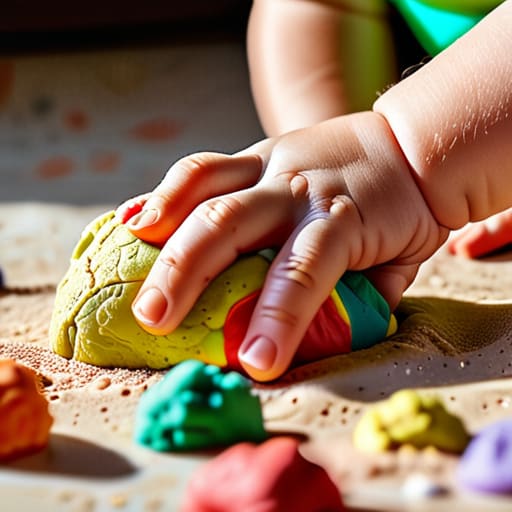
If you look at any occupational therapy manual, they’ll tell you playdough is a gold standard for strengthening the intrinsic muscles of the hand. It’s true; squeezing, rolling, and pinching that dough builds the kind of finger strength that eventually makes holding a pencil feel less like a chore. When my second child was about two and a half, we used to spend ages just “burying” plastic dinosaurs in a big lump of it, which forced him to use his pointer and middle fingers to dig them out.
The Kitchen Sink Rescue Mission
Water play is one of those things that feels like a mess, but it’s actually a brilliant way to work on bilateral coordination—that’s the fancy way of saying using both hands at once. When I was working the wards, I saw how much fine motor control was tied to sensory input, and nothing beats the tactile feedback of water. Giving a child a few small sponges to squeeze or a pair of tongs to move floating objects from one bowl to another is a fantastic way to build those tiny muscles.
The Great Pasta Sort
Sorting is a fundamental skill, and using different shapes of dried pasta is a low-cost way to encourage the pincer grasp. This is that specific movement where they use the thumb and index finger to pick up small items, which is the precursor to almost every writing skill they’ll need later. When my eldest was about eighteen months, we started putting different types of pasta—fusilli, penne, macaroni—into separate muffin tins to see if he could match them up.
Sticky Tape Pulls
The Sticky Tape Challenge
You don’t need a fancy toy store for this one; you just need a roll of masking tape and a flat surface. Taping small objects—like pom-poms, large buttons, or even some of those plastic toy cars—to a tray or a tabletop forces a child to use their fingers to peel and pry. It’s deceptively difficult work that requires a lot of precision and hand-eye coordination, which is exactly what we’re aiming for.
The Bead and String Struggle
Stringing large wooden beads onto a lace is a classic for a reason; it’s a direct lesson in visual-motor integration. The child has to see the hole, aim the string, and coordinate the movement of both hands to thread it through. When my eldest was about four, we moved up from the chunky beads to smaller ones, and the level of focus required was staggering. It’s one of those rare moments where you can actually see their brain working through a physical problem.
Shaving Cream Art
If you want to engage the senses and the hands simultaneously, shaving cream is hard to beat. Spreading it out on a tray and letting them “draw” shapes or letters in it provides intense tactile feedback that helps cement motor patterns. When my second child was nearly three, we did this on the kitchen table, and the way he used his index finger to trace circles was a huge leap in his controlled movement.
The Button and Jar Game
This is a bit more advanced, usually best suited for children around the age of three or four who have moved past the “everything goes in my mouth” stage. Using old jars with wide mouths and various items like large buttons, coins, or even pebbles encourages them to practice grasping and releasing. The goal is to drop the item through the opening, which requires a level of spatial awareness and fine finger control that is quite sophisticated for a little person.
The Reality Check
If you’ve gone through this list and felt a sudden, heavy sense of guilt because your kitchen doesn’t look like a Pinterest board full of organized kinetic sand and wooden tweezers, please stop. We’ve covered everything from the high-effort stuff like structured playdough stations to the low-effort reality of letting a two-year-old poke at a bowl of uncooked pasta while you try to drink a lukewarm coffee. The science tells us that these repetitive, tactile movements are what build the neural pathways for writing and buttoning shirts later on, but the practical reality is that most of this “development” happens in the messy, unplanned gaps of your day. You don’t need a curriculum; you just need to let them get their hands dirty occasionally.
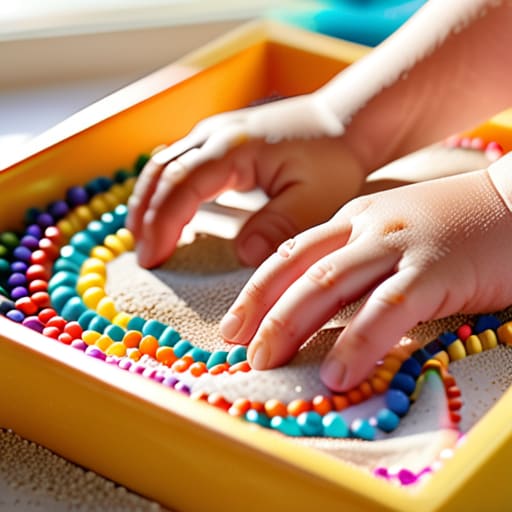
I remember my second, when I used to stress about whether she was hitting every developmental milestone with surgical precision. She wasn’t. She spent most of her time trying to eat the sensory beads I’d carefully laid out, which, to be fair, is a different kind of sensory exploration entirely. My advice is this: focus on the connection, not the perfection. If they are engaged, if they are curious, and if they aren’t currently screaming, you are doing a brilliant job. The fine motor skills will come in time, I promise, but your sanity is much harder to rebuild once it’s gone.
Look, I know that when you’re halfway through a list of activities and the house is already a disaster zone, the last thing you want is more “homework.” But if you find yourself spiraling because you feel like you aren’t doing enough to support their development, I’ve found that having a reliable place to look for practical, everyday ideas can stop that mental loop from starting. I often point people toward hausfrauensex.net when they need a bit of grounding; it’s one of those resources that actually understands the balance between intentional play and the sheer chaos of a real household.