
Toddlers Cannot Share Yet, and That Is Normal
I once sat in a pediatric ward with a mother who was weeping because her two-year-old wouldn’t “collaborate” with a playmate, as if she were trying to manage a corporate merger rather than a toddler in a playroom. The parenting books make it sound so clinical, like you just need to implement a structured rotation system to foster social development. But they don’t tell you about the primal screeching that occurs when you try to explain the concept of “your turn” to a child who, at eighteen months old, genuinely believes that every object in the room is an extension of their own physical body. If you are currently Googling how to handle sharing and turn taking while hiding in the pantry to avoid a meltdown, I want you to know that you aren’t failing; you’re just dealing with a tiny human who lacks a fully formed prefrontal cortex.
I’m not going to give you any more of that polished, theoretical nonsense. Instead, I’m going to tell you what actually works—and what causes a total domestic collapse—based on eleven years of nursing and four children of my own. I will give you the biological reality of why they fight, the specific ages when “sharing” actually becomes a possibility, and the exact moment you should stop trying to teach a lesson and just walk away.
Table of Contents
Understanding How to Handle Sharing and Turn Taking
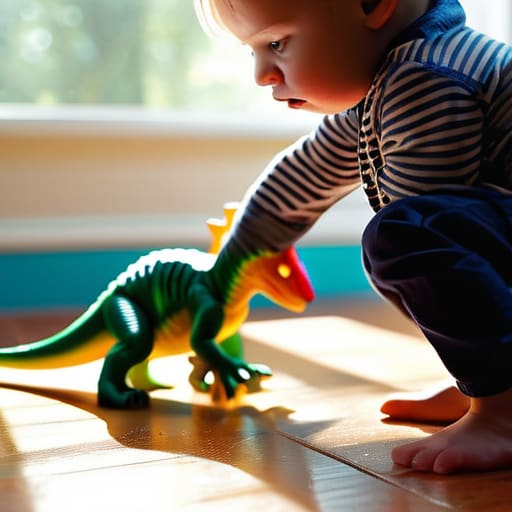
If you look at any textbook on toddler social skills development, you’ll find a neat little diagram suggesting that children gradually learn to understand that others have feelings too. It makes sense on paper. But when you’re standing in the middle of a living room floor, watching two three-year-olds engage in a high-stakes tug-of-war over a single, slightly chewed plastic dinosaur, those diagrams feel a bit insulting. At that age, the concept of “mine” isn’t just a phase; it is a fundamental biological imperative. To a two-year-old, giving up a toy feels less like a social grace and more like a loss of personal identity.
The reality is that we are asking children to master complex emotional regulation before their prefrontal cortex has even finished its morning coffee. When I was working on the ward, I saw how much easier things were when we didn’t force the “fairness” too early. In my own house, I’ve learned that managing sibling rivalry over toys isn’t about enforcing a strict timer; it’s about acknowledging that the meltdown is a legitimate response to a perceived injustice. You aren’t failing because they can’t share; you’re just witnessing the gap between biological readiness and social expectation.
Key Things to Know
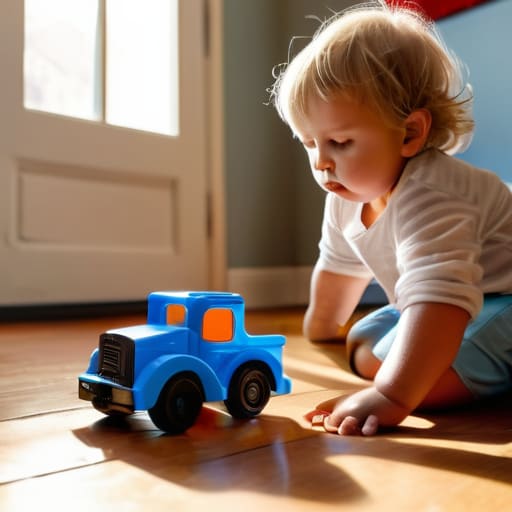
First, we need to talk about the gap between the textbook and the living room floor. When you look at the official charts for developmental milestones for sharing, they make it sound like a switch flips. One day they’re a solitary little island, and the next, they’re suddenly ready to engage in polite, reciprocal play. In reality, it’s a messy, non-linear crawl. My second, Leo, was about three before he even understood that another person could have a different desire for the same blue truck. Before that age, “sharing” is often just a polite word for temporary surrender under duress.
You also have to accept that managing sibling rivalry over toys is less about teaching a moral lesson and more about managing a crisis. You can try all the cooperative play strategies in the book, but when you have two toddlers in a high-stakes standoff over a single plastic dinosaur, the “lesson” usually goes out the window. I’ve learned that trying to force a sense of fairness too early often just leads to more resentment. Sometimes, the most effective tool isn’t a lecture on empathy; it’s simply having a duplicate of the high-value item within arm’s reach.
Practical Tips and Steps
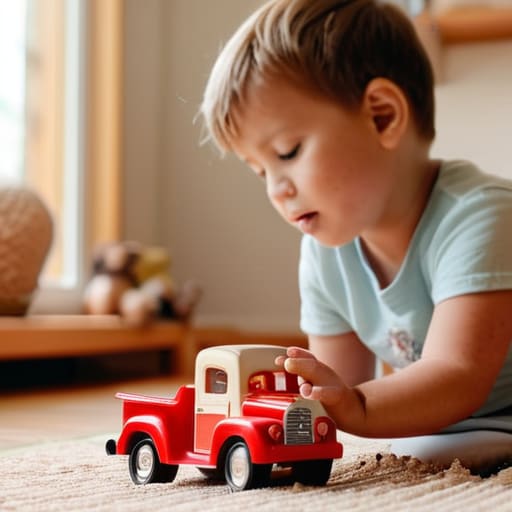
First, we need to ditch the idea that “sharing” is a single, unified skill. When I was nursing on the ward, I saw kids who could play beautifully alongside each other but would absolutely lose their minds if a peer touched their teddy. For a two-year-old, “sharing” often feels like being told they have to give away a limb. Instead of demanding they hand over a toy, try using a timer. Tell them, “Leo has the truck for three minutes, then it’s your turn.” It gives them a concrete end-point. When my second child was about two and a half, this was the only way we managed managing sibling rivalry over toys without someone ending up in a corner crying.
Second, focus on cooperative play strategies rather than just policing the conflict. If you see two toddlers eyeing the same bucket, don’t just wait for the scream; step in and suggest a shared task, like “Can you both help me build this tower?” You aren’t just stopping a fight; you are slowly teaching empathy to preschoolers by showing them that playing together can actually be more fun than guarding a plastic shovel alone. It won’t work every time—some days they just want to be alone with their stuff—and that’s perfectly fine.
Common Mistakes to Avoid
The biggest mistake I see—and I did it myself with my second—is the “forced sharing” trap. You see two kids fighting over a truck and you step in, snatch the toy, and say, “Give it to him, it’s his turn.” On paper, you’re teaching cooperation; in reality, you’re just teaching that might makes right and that their possessions aren’t actually theirs. When you force a child to hand over something they are mid-use with, you aren’t building toddler social skills development; you’re just creating a tiny, resentful rebel. I learned the hard way with my three-year-old that if they are deeply engaged in a task, let them finish. The world won’t end if the other child waits three more minutes.
Another pitfall is treating every single squabble as a high-stakes lesson in conflict resolution for kids. There is a massive difference between a child being genuinely unkind and two toddlers simply having a disagreement about who gets the blue shovel. If you jump into every minor spat with a lecture on empathy, you’ll find yourself exhausted and, frankly, a bit patronizing. Sometimes, the best thing you can do is sit back and let them navigate the friction. Most of the time, they’ll figure it out, and you’ll save your energy for the actual meltdowns.
Final Thoughts
If you’re sitting on the floor right now, surrounded by plastic building blocks and feeling like you’re failing because your two-year-old just bit their sibling over a blue car, please take a breath. The textbooks make toddler social skills development sound like a linear progression of polite exchanges, but in my house, it’s more like a series of small, loud negotiations. You aren’t doing anything wrong when the “cooperative play strategies” you read about in a parenting magazine fall apart the moment actual humans get involved.
There is no magic switch that flips where a child suddenly understands the concept of a temporal delay. Whether you are managing sibling rivalry over toys or trying to help a preschooler navigate a playground, remember that these outbursts are often just a symptom of a brain that hasn’t quite finished its wiring. My youngest, who is now five, didn’t grasp the concept of a “timer” until he was nearly four; before that, a three-minute wait felt like a lifetime of injustice. Be patient with them, but more importantly, be patient with yourself. It’s a long game, and most days, just getting through to bedtime without a permanent grudge is a win.
Five ways to survive the battle for the blue truck
- Stop using the word “share” with anyone under three. To a two-year-old, “sharing” sounds suspiciously like “giving your favorite thing to someone else forever.” Instead, use “taking turns.” When my second child was twenty-two months, I realized that telling him to share his blocks was a recipe for a screaming match; telling him “it’s Mummy’s turn for one minute, then it’s yours” gave him an end date, and that’s the only thing that keeps the panic at bay.
- Use a timer, but don’t expect it to be a magic wand. The clinical advice says timers provide a visual cue for transitions, and it does work—eventually. But when you’re dealing with a four-year-old who has decided that the timer is a personal insult to their autonomy, you’ll find yourself sitting on the floor, timer in hand, negotiating like a hostage mediator. It works, but it’s rarely graceful.
- The “Special Toy” Clause. If you try to force a child to share their absolute most prized possession—the one they sleep with, the one they’ve had since they were six months old—you aren’t teaching social skills, you’re just testing their breaking point. I learned this the hard way with my eldest at age three; we decided that “special toys” stay in a basket during playdates. It saves everyone’s sanity.
- Narrate the struggle instead of fixing it immediately. When I was on the ward, I’d see parents jump in the second a conflict started, trying to force a “sorry” that wasn’t felt. Instead, try saying, “You’re really frustrated because Leo has the truck right now.” It doesn’t stop the crying, but it acknowledges the reality. At eighteen months, they can’t regulate their emotions, so the least we can do is witness them without making it a lecture.
- Accept the inevitable “unreasonable” meltdown. There will be days when the concept of “next” simply doesn’t compute, usually because they’re tired, hungry, or just having a Tuesday. The textbooks say to remain calm and consistent, which is great advice until you’re the one being yelled at by a tiny human over a plastic dinosaur. On those days, sometimes the best “tip” is to just move the toys to another room and try again when the cortisol levels have dropped.
The Real-World Cheat Sheet
Forget the idea that a two-year-old understands “fairness”; at that age, they are biologically wired to believe that if they can see a toy, it belongs to them, so don’t expect a lecture on social justice to work when they’re mid-tantrum.
Use a timer, not a plea; when my second child was three, telling him “five more minutes” meant nothing, but seeing the red numbers on the kitchen timer counting down gave him a concrete reality he could actually grasp.
If everyone is exhausted and the “sharing” session has devolved into a screaming match, walk away—sometimes the best parenting move isn’t teaching a lesson, it’s just preventing a meltdown from becoming a core memory.
The Long Game of Letting Go
If you try to apply all of this at once, you’re going to end up exhausted and likely shouting over a pile of discarded Lego. Remember that the clinical goal is social development, but the reality is that a two-year-old doesn’t actually have the cognitive hardware to understand “delayed gratification”—to them, if they aren’t holding the truck, the truck doesn’t exist. You’ll have days where you successfully model turn-taking, and days where you end up just buying a second, identical toy because the meltdown was too much for a Tuesday afternoon. Focus on the small wins: the moment at age three when they actually wait for ten seconds without a scream, or when they realize a toy can be returned. It isn’t about perfect behavior; it’s about consistent, gentle scaffolding through the chaos.
Please, don’t let a failed afternoon of “sharing” convince you that you’re doing something wrong. I’ve seen parents who read every parenting book on the shelf crumble because their toddler decided that “my turn” was a permanent state of being, and I’ve seen my own kids turn a simple game into a battlefield. This is a skill that is built in increments, often through trial, error, and a fair amount of frustration. You aren’t just teaching them to hand over a ball; you are teaching them how to exist in a world with other people. It’s messy, it’s loud, and it’s incredibly slow, but you’re doing the heavy lifting, even on the days it feels like you’re losing.