Tidying With Children Instead of After Them
I’ve spent a decade on paediatric wards watching parents look absolutely hollowed out by exhaustion, and if there is one thing I’ve learned, it’s that the “minimalist lifestyle” influencers are selling you a lie. They show you these pristine, beige-toned living rooms where the only thing on the floor is a single, aesthetically pleasing wooden block, and they act like that’s the standard for a happy home. But I know the truth: when you are actually trying to figure out how to keep a house tidy with children, the reality isn’t a curated showroom; it’s a constant, swirling battle against a tide of stray socks, half-eaten crusts, and Lego pieces that seem to migrate toward the dark corners of the house the moment you turn your back.
I’m not here to give you a list of expensive organizational bins or “life hacks” that require three hours of prep time you don’t have. Instead, I want to talk about what actually works when you’re running on four hours of sleep and a lukewarm cup of tea. I’ll share the systems that survived my own four kids—from the toddler years to the chaotic school-run age—and more importantly, I’ll tell you which battles are worth fighting and which ones you should just walk past and let go.
Table of Contents
Understanding How to Keep a House Tidy With Children

The clinical reality of a home with kids is that it exists in a state of constant entropy. In the ward, we had strict protocols for cleanliness, but a house is a living, breathing thing that resists order. You’ll read books about minimizing household chaos through rigid schedules, but those books usually assume your children are small, cooperative employees rather than tiny agents of destruction. When I was working nights, I saw how much a tidy environment calmed a sick child, but when my second child hit eighteen months, I realized that “tidy” is often a moving target.
If you want to make progress, you have to stop aiming for a showroom and start looking at toy rotation strategies that actually work for the age you’re dealing with. For my three-year-old, that meant keeping the high-octane, loud plastic stuff in a bin in the garage and only bringing out a small selection of wooden blocks and cars. It’s not about being a minimalist; it’s about managing the surface area of the mess. If the floor isn’t covered in a literal sea of LEGO, you’ve won the day.
Key Things to Know
First, you have to accept that a house with small humans in it is a living, breathing thing, not a museum. When I was nursing on the paediatric ward, I saw how much a cluttered, chaotic environment could spike a child’s anxiety; but at home, I learned that minimizing household chaos is often a losing battle if you aim for perfection. Instead, aim for “functional enough.” If the floor is clear enough that you won’t trip over a Lego brick at 3:00 AM, you’ve won the day.
Second, remember that advice is useless without an age attached. You can try toy rotation strategies—which the parenting books swear by—but they only work if you have the energy to actually swap the bins. For my second child, at about eighteen months, we stopped trying to hide everything and just focused on decluttering with toddlers by using low, open baskets. It wasn’t a “system,” it was just survival. If you try to implement rigid daily cleaning routines for busy parents while you’re in the thick of sleep deprivation, you’re just setting yourself up for a sense of failure that isn’t actually your fault.
Practical Tips and Steps
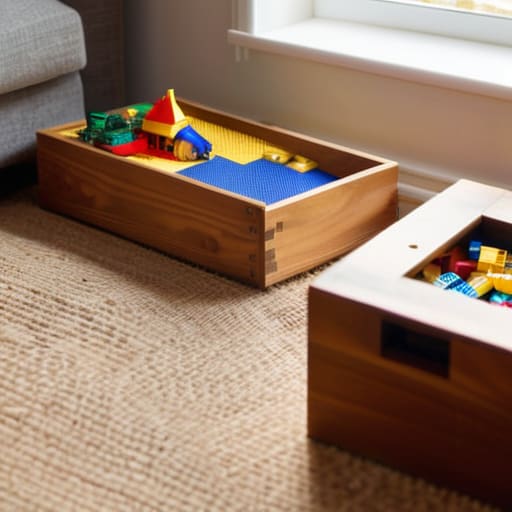
First, let’s talk about the “toy mountain.” The experts love to suggest toy rotation strategies where you hide half the stuff in the garage and swap it out every fortnight. When my second child was two, I tried this religiously. It works—theoretically—until you realize you’ve just created a second job for yourself involving heavy plastic bins and a lot of dust. Instead, try limiting the visual noise. If you have a playroom, don’t try to organize every single piece; just focus on one “station” at a time. If the Lego corner is a disaster, leave the coloring books alone for a week.
When it comes to the actual cleaning, stop looking for a magic hour that doesn’t exist. I’ve learned that daily cleaning routines for busy parents only work if they are ridiculously small. When my eldest was four, I stopped trying to “clean the kitchen” and started just “clearing the counters” after every meal. It sounds patronizing, but it prevents that feeling of total defeat when you walk in at 8:00 PM. Small, frequent wins beat a massive, failed Saturday deep-clean every single time.
Common Mistakes to Avoid
The biggest mistake I see—and I fell for it with my first two—is the attempt to maintain a “standard” level of tidiness that assumes children are merely guests in your home rather than the primary residents. You can try to implement strict daily cleaning routines for busy parents, but if you’re measuring success by a magazine spread, you’re setting yourself up for a breakdown. When my eldest was three, I spent an hour every evening resetting the living room, only for it to be a disaster zone by 7:00 AM. The mistake wasn’t the cleaning; it was the expectation of permanence.
Another trap is overcomplicating your systems. I’ve seen parents spend a fortune on elaborate toy rotation strategies and aesthetic wicker baskets, thinking that if the containers are pretty, the chaos will stop. It doesn’t. When you’re trying to manage decluttering with toddlers, complexity is your enemy. If a bin is too heavy for a two-year-old to lift or a shelf is too high for a four-year-old to reach, that system is already broken. You aren’t just tidying a house; you’re managing a small, unpredictable ecosystem.
Final Thoughts
If you’ve finished reading this and your living room still looks like a Lego factory exploded in a sea of laundry, please don’t take it as a sign that you’ve failed. I spent a decade in a paediatric ward seeing kids who were perfectly happy in much more chaotic environments than yours. The truth is, most of the “perfect” systems you see online—the ones involving elaborate toy rotation strategies or perfectly color-coded bins—are designed for houses where nothing ever actually happens. In a house with real, living, breathing children, the chaos isn’t a bug in the system; it’s the main feature.
My advice is to aim for functional over flawless. Focus on minimizing household chaos just enough so that you aren’t tripping over a stray truck at 3:00 AM, but let the rest go. If you manage to get the floor clear enough to walk to the kettle, you’ve won the day. Some days you’ll master the routine, and some days you’ll be lucky if you even find your own shoes. Both are okay.
Five things that actually work (and what the lifestyle blogs won't tell you)
- The ‘Low-Stakes Reset’ at 7:00 PM. Don’t aim for a clean house; aim for a house that won’t trip you up on the way to the kettle. When my second child was three, I stopped trying to deep-clean the playroom and started just clearing the “walking paths.” If the Lego isn’t in a bin but it’s not under your heel, you’ve won for the night.
- The Bin System is better than the Box System. Professional organizers love beautiful, labeled wooden crates, but those are just heavy things for a toddler to knock over. I switched to open, lightweight plastic bins for my youngest. At age two, if they have to lift a lid or manipulate a latch, they simply won’t do it, and you’ll be left picking up the lid at midnight.
- Stop the “Toy Rotation” if you’re already drowning. The experts say rotating toys keeps them engaged, but it actually just doubles your tidying workload because you’re constantly sorting, storing, and unboxing. When my third was a toddler, we ditched the rotation and just kept the “active” toys out. It’s messier, yes, but it’s one less thing for me to manage when I’m exhausted.
- The “One-In, One-Out” rule for high-traffic areas. This works best once they hit about four years old. If a new colouring book comes out, an old one goes into the “storage” bin. It doesn’t stop the chaos, but it prevents the living room from becoming a permanent graveyard of half-finished projects.
- Accept the “Zone of Chaos.” Pick one room—usually the kitchen or my bedroom—that is a strictly No-Kid Zone. Even when my kids were five and six, they were capable of helping, but they were also capable of leaving a half-eaten cracker in the middle of the rug. Having one corner of the house that stays sane is what keeps me from losing my mind.
The Reality Check
Forget the “perfectly organized” Instagram homes; aim for “functional enough to find your keys” instead. If a system requires you to spend more than ten minutes a day maintaining it, it’s not a system, it’s a second job you didn’t sign up for.
Match your tidying to their developmental stage. A two-year-old can “help” by putting blocks in a bucket, but expecting a four-year-old to follow a complex multi-step cleaning routine is a recipe for both of you ending up in tears by 7:00 PM.
Choose battles based on the clock. There is a massive difference between a pile of laundry that can wait until Saturday and a floor covered in Lego that will end in a midnight injury; learn to ignore the clutter that doesn’t actually cause harm.
The View from the Messy Middle
If you’ve taken anything from this, let it be this: tidiness with kids isn’t about achieving a museum-grade finish; it’s about managing the entropy of a living home. We’ve talked about toy rotations, the reality of the “five-minute reset,” and why those elaborate organizational systems often crumble the moment a toddler discovers the joy of a cereal box. You can implement every bin, basket, and label the internet throws at you, but when you’re exhausted and the floor is a minefield of Lego and half-eaten toast, remember that perfection is a moving target. Focus on the systems that actually survive the 6:00 PM meltdown, and let the rest go.
I spent a decade in a hospital ward where everything was sterile, controlled, and predictable. It was also incredibly lonely. Coming home to a house that feels like a whirlwind—even when it’s frustratingly untidy—is a sign that you are actually living a life worth having. My oldest was four when I finally stopped fighting the chaos and started accepting that a clean house is a luxury, but a happy home is a necessity. Don’t let the pursuit of a tidy living room rob you of the energy you need to actually enjoy your children. The mess is temporary; the memories are the point.