The Worst Two Hours of the Day and How to Soften Them
I once spent an entire afternoon reading a glossy parenting magazine that suggested “structured enrichment activities” were the secret to a successful transition from school to home. It suggested that if you just booked the right coding club or violin lesson, you’d solve the chaos. But as I stood in my own hallway last Tuesday, staring at a six-year-old who had just dropped a half-eaten yogurt on the rug and a ten-year-old who was vibrating with silent, school-induced rage, I realized that those magazines have no idea how to manage the after school hours when the actual human beings involved are exhausted. The “enrichment” they promise is often just more noise for a child who is already sensory-overloaded and a parent who is already running on fumes.
I’m not here to sell you a color-coded planner or a subscription to a high-end activity hub. Instead, I want to talk about what actually works when the front door slams and the real work begins. I’ll be sharing the messy, unpolished reality of what I’ve learned from eleven years of clinical observation and four children of my own, focusing on low-energy transitions and the science of the “decompression gap.” We’ll look at what the textbooks say versus what actually prevents a meltdown at 5:00 PM, because sometimes the best way to manage the afternoon is to simply let the quiet happen.
Table of Contents
- The 300 Pm Wall Why Theory Fails Your Living Room
- How to Manage the After School Hours Without Losing Your Mind
- Decompression Activities Bridging the Gap Between School and Home
- Healthy After School Snacks and the Myth of Perfect Nutrition
- Managing Homework Stress When Everyone Is Already Exhausted
- Balancing Play and Study Time Within an Evening Routine Structure
- Five Things That Actually Work (When the Textbook Fails)
- The Reality Check: Three Things to Carry With You
- The Reality of the Evening Reset
The 300 Pm Wall Why Theory Fails Your Living Room

The textbooks love to talk about “cognitive load” and “transition periods,” but they don’t mention the sheer, unadulterated exhaustion that hits a seven-year-old the moment they step through your front door. In my nursing days, I saw kids who were physically fine but mentally shattered from the effort of holding it together in a classroom. When you get home, that mask slips. You might try to implement a strict after school routine for kids involving immediate homework or a tidy bag, but you’re essentially trying to build a house on quicksand. They aren’t being defiant; they are simply empty.
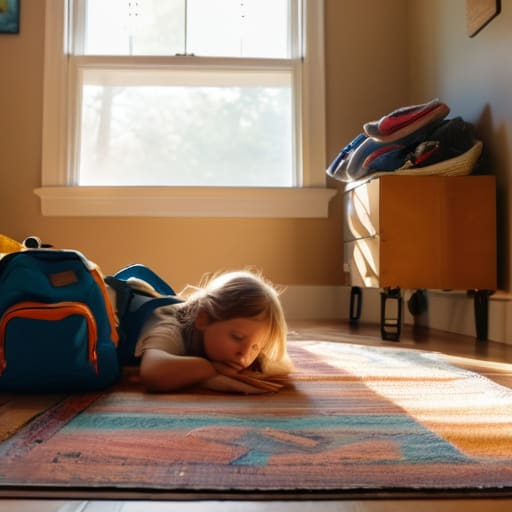
I remember with my second, Leo, we tried to jump straight into managing homework stress by setting the table and opening the books at 3:45 PM. It was a disaster. He didn’t need a desk; he needed a biscuit and twenty minutes of staring blankly at a wall. The theory says structure provides security, but in reality, what most kids actually need is a window of child decompression activities—even if that “activity” is just lying face down on the carpet. If you don’t respect that physiological wall, you aren’t building a routine; you’re just setting the stage for a 5:00 PM explosion.
How to Manage the After School Hours Without Losing Your Mind
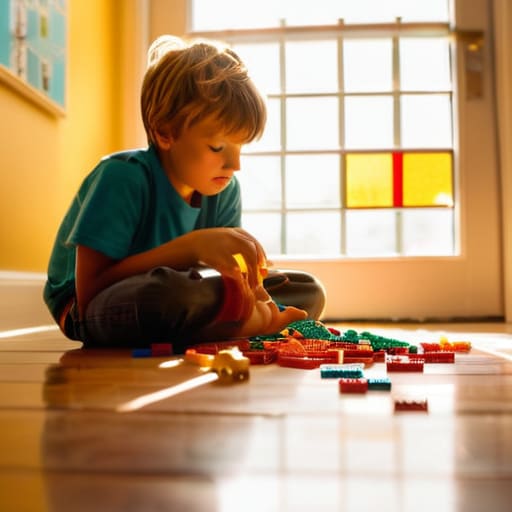
If you want to survive the gap between the school bell and bedtime, you have to stop treating it like a single block of time and start treating it like a series of transitions. My second child, who was about six when I finally figured this out, couldn’t handle a direct question like “did you finish your math?” the second he stepped through the door. He’d just shut down. Instead of diving straight into the heavy lifting, I learned to prioritize child decompression activities—even if that just means fifteen minutes of mindless Lego or staring at a wall. You have to let the sensory overload of a classroom drain out before you try to pour any new information in.
Once the initial fog lifts, you can try to layer in a bit of an after school routine for kids, but keep it low-stakes. I used to think a rigid schedule was the answer, but by the time my third was four, I realized that flexibility is actually more productive than discipline during this window. Feed them something substantial—real healthy after school snacks like cheese or fruit, not just the sugary stuff that leads to a 6:00 PM crash—and let the homework happen when the brain is actually online, not just because the clock says it’s time.
Decompression Activities Bridging the Gap Between School and Home
The textbooks love to talk about “transition periods,” but in a house with four kids, that usually looks like a pile of discarded shoes and a sudden, inexplicable urge to scream. When my second child was five, I tried the “structured transition” approach—quiet reading, immediate snack, gentle music. It lasted exactly four minutes before he was using a picture book as a projectile. The reality is that most kids don’t need more structure the moment they step off the bus; they need a way to shed the day. Finding effective child decompression activities isn’t about keeping them busy; it’s about letting them be unproductive for a bit.
I’ve learned that the best way to bridge this gap is to prioritize sensory regulation over productivity. Instead of diving straight into managing homework stress, try offering something tactile or low-stakes. For my seven-year-old, that’s a tub of playdough or a mindless Lego bin; for the older ones, it’s just fifteen minutes of lying on the floor in silence. If you try to force an academic mindset the second they walk through the door, you’re just setting the stage for a 6:00 PM blowout. Give them the space to land first.
Healthy After School Snacks and the Myth of Perfect Nutrition
The nutritional guidelines say you should provide a balanced snack of complex carbohydrates and protein to steady their blood sugar. In a textbook, that looks like apple slices with almond butter or whole-grain crackers and cheese. In my house, when the front door slams and the energy in the room shifts from “contained student” to “unravelled toddler,” that advice feels incredibly lofty. When my second child was four, I spent twenty minutes prepping a beautiful fruit plate only for it to be rejected in favour of a handful of dry cereal eaten standing up over the kitchen sink.
The reality is that healthy after school snacks are less about perfect macros and more about preventing the pre-dinner meltdown. If you try to force a gourmet snack during a period of high emotional dysregulation, you’re just adding another battle to an already exhausting afternoon. Sometimes, the best thing you can do for your evening routine structure is to provide something easy, immediate, and low-effort. It isn’t about being a nutritionist; it’s about fueling the engine so they have enough gas left to get through the homework without a total system failure.
Managing Homework Stress When Everyone Is Already Exhausted
Then comes the homework. On paper, it’s a simple matter of sitting down at a desk with a clear workspace. In reality, it’s usually a battle of wills fought over a half-eaten crust of toast while your child is staring blankly at a math sheet like it’s written in ancient Greek. When you’re already trying to maintain an after school routine for kids that doesn’t involve anyone crying, adding academic pressure is like throwing petrol on a small fire. I remember my second, when he was seven; he’d spent six hours being told when to sit, when to speak, and when to listen. By the time he hit the kitchen table, his brain wasn’t just tired—it was completely offline.
The trick isn’t forcing the work; it’s about managing homework stress by recognizing when the tank is empty. If you try to push through a meltdown to finish a worksheet, you aren’t teaching discipline, you’re just teaching them that learning is a source of misery. Sometimes, the most productive thing you can do for their education is to close the book, skip the spelling test, and just be a person for twenty minutes. It feels like failing the “good parent” test, but I promise, the world won’t end if the long division waits until tomorrow morning.
Balancing Play and Study Time Within an Evening Routine Structure
The textbook version of an evening routine structure suggests a neat, linear progression: snack, homework, play, bath, bed. It looks beautiful in a planner. In my house, with four kids at varying developmental stages, that linear progression is a fantasy. When my second child was six, I tried to enforce a “study first, play later” rule. It resulted in a tearful standoff at the dining table because his brain was simply too fried from six hours of sitting still to process long division.
The reality is that you often have to oscillate between the two. Sometimes, they need twenty minutes of vigorous, unstructured play to burn off the residual school tension before they can even look at a workbook. Other times, when they are already in a state of sensory overload, you might need to skip the heavy play and move straight into a quiet, low-stakes activity. Finding the rhythm of balancing play and study time isn’t about following a clock; it’s about reading the room. If you try to force the “study” block when they are hitting a wall, you aren’t teaching them discipline—you’re just managing homework stress by adding more of it.
Five Things That Actually Work (When the Textbook Fails)
- Lower the bar on “productive” time. The school day is an endurance test of sitting still and following instructions. When they walk through your door, they don’t need a tutor; they need to be a person again. My second child, when he was five, used to spend forty minutes just lying face down on the rug. I used to think he was being difficult, but looking back through my nursing lens, he was just regulating. Let him be bored, let him be quiet, or let him be messy. The “learning” can wait until the cortisol levels have dropped.
- The “Transition Snack” is non-negotiable. In the ward, we saw it all the time—kids who were “naughty” or “aggressive” were often just hypoglycemic. By 3:30 PM, their blood sugar has cratered. Don’t wait for them to ask; they won’t. Have something reliable ready—toast, fruit, whatever—the moment they step inside. When my eldest was seven, a piece of cheese was often the difference between a calm evening and a full-blown meltdown over a lost sock.
- Ditch the “How was your day?” interrogation. It’s the most well-meaning question in parenting, and it’s also the most useless. Most kids, especially around age six or seven, don’t have the emotional bandwidth to recap a six-hour social and academic gauntlet. If you want information, ask about the small stuff: “Who sat next to you at lunch?” or “Did anything funny happen in the playground?” If they give you one-word answers, let it go. They’ll talk when the hunger is gone and the shoes are off.
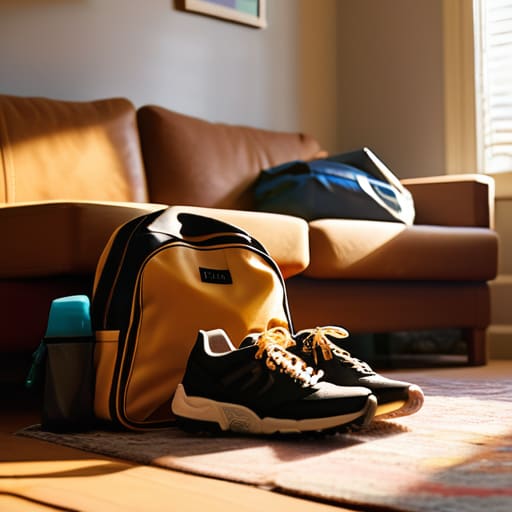
- Create a “Landing Strip” for the chaos. One of the biggest friction points in my house is the frantic hunt for a lost PE kit or a permission slip at 7:30 AM. I learned the hard way with my third child that if it doesn’t have a designated, predictable home, it doesn’t exist. A basket by the door for bags, a specific hook for coats, and a tray for school papers. It isn’t “teaching responsibility” in the way a manual says; it’s just preventing a secondary crisis later in the evening.
- Recognize the “Second Wind” trap. There is a phenomenon where kids seem to suddenly explode with energy right around dinner time. It feels like they’ve been holding it in, but it’s often just pure exhaustion masquerading as hyperactivity. When this happens, don’t try to engage them in a complex task or a long conversation. Keep the environment low-stimulation. Dim the lights, turn off the loud TV, and accept that the next hour is about survival, not enrichment.
The Reality Check: Three Things to Carry With You
Forget the “perfect” routine you saw on Pinterest. By the time your kids hit age six or seven, the gap between school and dinner is less about structured learning and more about managing physiological crashes. Aim for a predictable rhythm rather than a rigid schedule; a rhythm allows for the inevitable 4:00 PM meltdown without the whole evening collapsing.
Lower the bar on nutrition and academic perfection when the tank is empty. If they’re coming home ravenous and exhausted, a piece of toast and twenty minutes of quiet play are more effective for their long-term wellbeing than forcing a “balanced snack” or a math worksheet. You can’t teach a child who is stuck in a fight-or-flight response.
Distinguish between a “bad” behavior and a tired one. In my nursing days, I saw how much physical depletion mimics temperament issues. Most after-school friction isn’t a sign of poor parenting or a difficult child; it’s just the sound of a nervous system that has been “on” for seven hours straight and has nothing left to give.
The Reality of the Evening Reset
We’ve covered a lot of ground here, from the physiological reality of that 3:00 PM crash to the messy, unglamorous truth about snack time and homework battles. If you try to implement every single “best practice” we discussed—the perfect decompression activity, the balanced snack, the rigid study schedule—you will likely end up more exhausted than when you started. The goal isn’t to build a perfectly oiled machine; it’s to build a bridge between the demands of the classroom and the sanctuary of your home. Remember that flexibility is actually your most important tool. Some days, the “correct” way to manage the after-school hours is simply to order a pizza, skip the math worksheet, and let everyone collapse on the sofa together.
I spent years in a hospital ward watching parents try to hold everything together with white knuckles and perfect adherence to the rules, only to break down when the first unexpected fever hit. If there is one thing my four children have taught me, it’s that the routine is there to serve you, not the other way around. You aren’t failing because the afternoon turned into a chaotic scramble; you’re just parenting a real human being in a real house. So, take a breath. If the homework didn’t get done and the kitchen is a disaster, but everyone is safe and eventually tucked into bed, you’ve done enough. Tomorrow is a fresh start, and usually, it comes with a slightly better cup of coffee.