
The Evidence Says One Thing, but Your Toddler Says Another: Why the Common Mistakes in Early Childhood Nutrition Aren’t Actually Your Fault.
I once spent an entire shift on the paediatric ward listening to a mother cry because she felt like a failure because her two-year-old refused to eat anything that wasn’t a plain, dry cracker. She had read every high-end parenting blog in existence, and according to them, she was making massive, irreversible errors. The truth is, most of the “expert” advice out there ignores the sheer, grinding chaos of a real kitchen. We get so caught up in the clinical perfection of food groups and micronutrients that we overlook the most common mistakes in early childhood nutrition: the ones that involve trying to force a sense of order onto a child who is currently more interested in wearing their peas as a hat than eating them.
I’m not here to sell you a subscription to a meal-prep service or tell you that your child’s refusal of kale is a nutritional catastrophe. I’m going to give you the middle ground—the space between the rigid medical guidelines and the exhausted reality of feeding four kids. I’ll tell you which dietary “mistakes” actually matter for their growth and which ones are just worth a shrug and a bit of extra sleep.
Healthy Weaning Practices vs the Mid Meal Meltdown
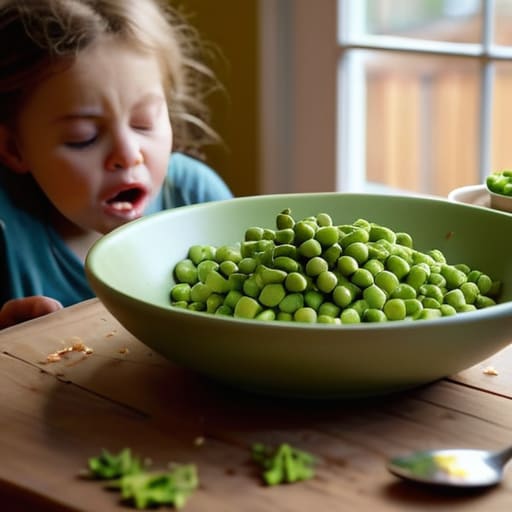
Then there is the issue of the “perfect” meal plan, that glossy, color-coded spreadsheet that looks lovely on a fridge but feels like a personal insult when your two-year-old decides that anything with a texture more complex than a cracker is a declaration of war. I used to think I could manage it—I had the nursing degree, after all—but my second child taught me that nutritional logic often goes out the window when you’re staring at a pile of rejected mashed peas. If you find yourself spiraling because you can’t find a way to balance vitamins with a toddler’s sudden, inexplicable vendetta against green vegetables, I’ve found that looking for community support is often more useful than any textbook. Sometimes, just finding a space where people discuss the real-world logistics of identity and care, like the discussions found through transladies online, can provide a much-needed perspective on how we navigate family dynamics and nourishment when the standard rules simply don’t apply to the unique humans living in our homes.
The clinical guidelines on healthy weaning practices are beautifully structured: start with single-ingredient purees, introduce allergens cautiously, and aim for a diverse range of textures by six months. It looks lovely on a printed chart. But the charts don’t account for the fact that your six-month-old, who was a champion eater last Tuesday, has suddenly decided that anything other than the plastic spoon is an act of war. I remember with my second, Leo, we followed the “perfect” schedule for weeks until he hit eight months and decided that mashed avocado was his mortal enemy. You can plan for the nutritional needs for developing children all you want, but when you’re staring at a floor covered in expensive organic pea purée, the science feels very far away.
Then there is the transition to solids, where the “mistakes” usually happen because we are simply too tired to fight. We fall into the trap of convenience, inadvertently introducing hidden sugars in kids’ snacks because they are the only thing the toddler will actually swallow without a tantrum. It’s not a lack of care; it’s a lack of bandwidth. You aren’t failing because you reached for the fruit pouch instead of the steamed cauliflower; you’re just trying to survive the afternoon.
Hidden Sugars in Kids Snacks What the Manual Misses
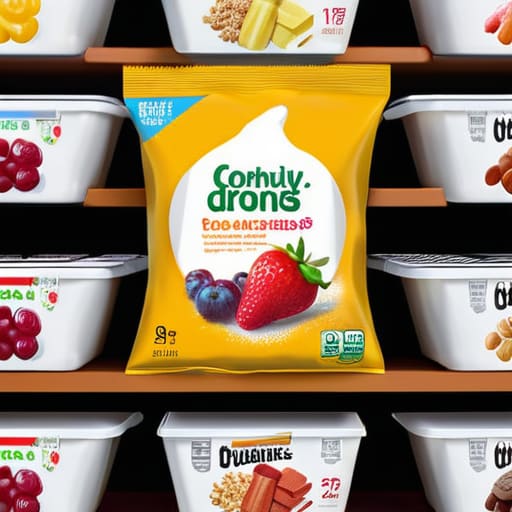
The clinical manuals are very good at telling you about the obvious stuff—the chocolate bars and the fizzy drinks. But they aren’t much help when you’re standing in the middle of a supermarket aisle, staring at a box of “organic fruit pouches” that has more concentrated fruit juice than actual fiber. When we talk about hidden sugars in kids snacks, we aren’t just talking about the treats; we’re talking about the yogurt tubes, the breakfast bars, and the “healthy” cereals that are essentially just dessert in a colorful box. I learned this the hard way with my second, who would go into a sugar-fueled frenzy after what I thought was a perfectly wholesome morning snack.
The real struggle is that these sugars are designed to be addictive, which makes toddler picky eating solutions feel like you’re fighting a losing battle against chemistry. You try to focus on the nutritional needs for developing children, but when the child is screaming for the sweet stuff, the “balanced” option feels like a failure. It’s not about being a perfect nutritionist; it’s about spotting the labels that use words like ‘natural’ to mask a glucose spike that will leave your kid crashing by lunchtime.
Five Things the Nutrition Charts Miss (But Your Exhausted Brain Won't)
- Stop treating every meal like a clinical trial. The textbooks say you should offer a rainbow of vegetables at every sitting, but when you’re dealing with a two-year-old who has decided that anything green is a personal insult, the “perfect” plate is a recipe for a breakdown. My second child, Leo, went through a phase at eighteen months where he would only eat beige foods. I spent three days trying to force-feed him steamed spinach like a martyr, only to realize I was just making us both miserable. The goal isn’t a perfect nutrient profile by Tuesday; it’s keeping them fed and keeping you sane.
- The “One More Bite” Trap. In nursing, we talk about caloric intake, but in a kitchen at 6:00 PM, we talk about power struggles. Forcing a child to finish their plate because “it’s good for them” actually backfires. It teaches them to ignore their own fullness cues. My eldest, when he was about three, became a master of the polite fake-swallow. Once I stopped policing the plate and started focusing on the quality of what was actually being eaten, the battle fatigue lifted significantly.
- Don’t mistake “distraction eating” for a successful meal. We’ve all done it—turning on a show or handing over an iPad just so we can eat a piece of toast in peace. It works in the moment, but it’s a mistake because the child isn’t actually learning to connect their stomach to their brain. When my third child was twelve months old, she’d only eat if the TV was on, and she’d finish a bowl of pasta without even realizing she’d eaten. It took a week of very loud, very boring mealtimes to reset that connection.
- The juice deception. The clinical guidance is clear about limiting added sugars, but the marketing is louder. Many “toddler drinks” are essentially liquid candy with a fruit sticker on the box. I learned this the hard way with my fourth; we thought we were being “healthy” by giving him fruit juice in his sippy cup. By the time he was two, his energy levels were a rollercoaster of sugar spikes and crashes that looked a lot like behavioral issues. Stick to water or milk; the fruit is better when they actually have to chew it.
- Forgetting that “toddler” is a different species than “infant.” A common mistake is trying to maintain the same nutritional density and schedule you had during the breastfeeding or formula stage. Once they hit that twelve-to-eighteen-month window, their appetite becomes wildly inconsistent. They might eat like a horse on Monday and nothing but air on Tuesday. If you try to force the “steady” feeding schedule of a six-month-old onto a toddler, you’ll end up fighting a war you can’t win. Accept the ebb and flow; they aren’t starving, they’re just being toddlers.
The View from the Kitchen Table

If you’ve followed along this far, you’ve likely realised that the “perfect” nutritional profile is a bit of a ghost—something we chase but rarely actually catch. We’ve talked about the gap between weaning guidelines and the reality of a toddler throwing a spoonful of mashed sweet potato at the dog, and the way hidden sugars sneak into the very snacks we thought were “safe.” The takeaway isn’t that you need to be a clinical nutritionist in your own kitchen; it’s that the mistakes we make are almost always born out of trying to do a hard job with limited resources. Whether it’s the over-reliance on processed “kid-friendly” foods because you’re too tired to chop vegetables, or the guilt of a sugar-heavy snack during a meltdown, remember that nutrition is a long game, not a single meal.
When I was nursing on the paediatric ward, I saw plenty of kids who were perfectly healthy despite their parents not following every single line in the handbook. What mattered more than the exact grammage of broccoli was the connection at the table and the lack of stress surrounding the act of eating. You are going to mess this up sometimes. You will serve something nutritionally void because it was the only thing they’d stop screaming for, and you will feel like you’ve failed. You haven’t. Just keep showing up, keep trying the next meal, and please, be as kind to yourself as you are to your children.