
Managing the Gift Avalanche Diplomatically
I remember sitting on the floor of my living room three years ago, surrounded by a sea of plastic packaging and half-broken battery-operated contraptions that my second child had been gifted for a birthday that felt more like a siege. I was looking at a mountain of “stuff” that promised joy but was actually just creating a constant, low-level hum of chaos in our house. The parenting blogs will tell you to implement “curated gift lists” or “experience-based rewards,” but they don’t tell you what to do when your well-meaning grandmother shows up with a giant, noisy drum set that your toddler will inevitably smash by Tuesday. Learning how to handle gifts and excess isn’t about some grand philosophical shift in your consumer habits; it’s about surviving the clutter and the guilt that comes with it.
In this post, I’m not going to give you a lecture on minimalism or tell you to go cold turkey on birthday presents. Instead, I’ll give you the practical, unfiltered reality of what actually works when you’re staring at a pile of unwanted toys at 7:00 PM on a school night. I’ll share the strategies that worked for my kids—from the age of two to ten—and the ones that failed spectacularly, so you don’t have to waste your own energy on the ones that won’t stick.
Table of Contents
- The Guilt of Giving Too Much How to Handle Gifts and Excess
- What the Manual Misses About Managing Holiday Excess
- Minimalist Gift Giving Strategies That Actually Survive the Living Room
- Beyond the Plastic Finding Meaningful Gift Alternatives for Real Kids
- Decluttering Gift Clutter Without the Mid December Meltdown
- Teaching Children About Generosity Instead of Constant Consumption
- Five Ways to Keep the Chaos Contained (Without Losing Your Mind)
- The Real-World Summary
- The View from the Other Side of the Chaos
The Guilt of Giving Too Much How to Handle Gifts and Excess
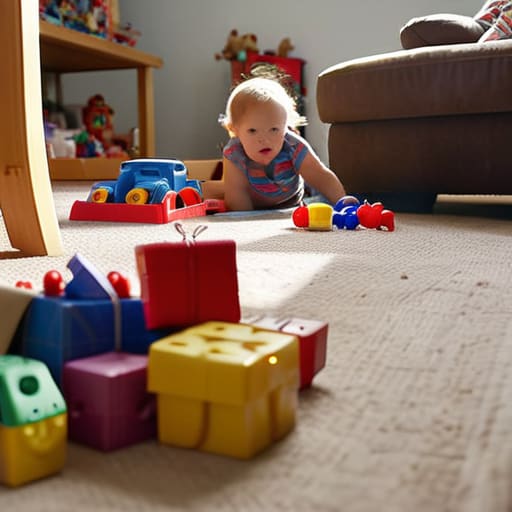
The problem with the “ideal” version of gift-giving is that it usually assumes a quiet, organized house where everything has a designated place. In my house, with four kids ranging from a toddler to a pre-teen, that version doesn’t exist. You can read all the books you want on minimalist gift giving strategies, but they don’t account for the sheer physical weight of plastic toys that end up under the sofa by Tuesday. I remember when my eldest was four; we tried the “one big gift” rule, and it worked brilliantly for about twenty minutes before the inevitable meltdown occurred because he wanted the small, shiny thing his cousin was holding.
The guilt sets in when you realize you’ve contributed to the pile. We often overcompensate with “stuff” because it’s easier than explaining complex concepts, but managing holiday excess is actually a vital part of the job. I’ve learned that teaching children about generosity isn’t something that happens during a polished, perfect Christmas morning; it happens in the messy, slightly chaotic moments when we decide to donate the toys we no longer use. It’s not about being perfect; it’s about making sure the house doesn’t feel like it’s closing in on you.
What the Manual Misses About Managing Holiday Excess

The manual will tell you that minimalist gift giving strategies are the key to a peaceful household, and on paper, they make perfect sense. It suggests setting a budget, limiting the number of presents, or focusing on “experiences” rather than “things.” But the manual doesn’t account for the sheer, chaotic social pressure of a family gathering. It doesn’t mention the face your six-year-old makes when they see a pile of brightly wrapped boxes at a grandparent’s house, or the way your own sense of inadequacy spikes when you feel like you aren’t “doing enough” to make the magic happen.
In my experience, the real struggle isn’t just the physical space; it’s the emotional fallout of managing holiday excess. When you try to implement strict rules to avoid a mountain of plastic, you often end up feeling like the “fun” parent who is killing the spirit of the season. I remember with my second, trying to steer us toward more meaningful gift alternatives, only to have a toddler meltdown because the “experience” of a zoo trip didn’t have a bow to rip off. The guidance forgets that children—and let’s be honest, tired parents—often crave the immediate, tactile dopamine hit of a new toy, even if it’s just clutter waiting to happen.
Minimalist Gift Giving Strategies That Actually Survive the Living Room
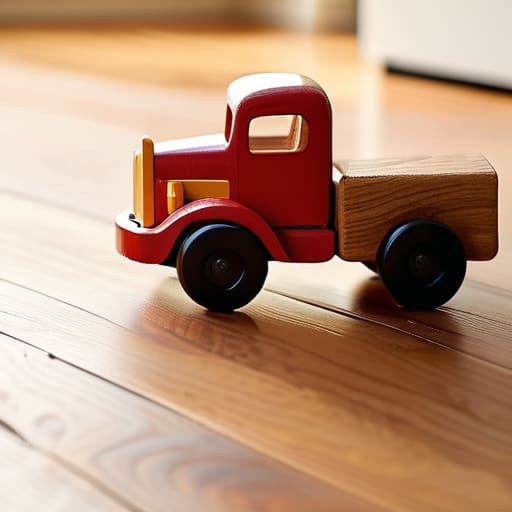
When I was working on the ward, I saw kids who were overwhelmed by everything—sensory overload is a real thing, even if we don’t always call it that in the living room. If you want to try minimalist gift giving strategies, stop looking at the “top ten” lists and start looking at the floor. My second child, who was four at the time, didn’t need a mountain of plastic; he needed one sturdy wooden truck that didn’t make a high-pitched screeching noise. I’ve learned that meaningful gift alternatives—like an experience voucher for the zoo or even just a “coupon” for an extra bedtime story—work much better than a pile of stuff that will be in a landfill by Tuesday.
The trick to managing holiday excess is setting the expectation before the shopping even starts. I tell my oldest, who was six when we first tried this, that we choose one “big” thing and then focus on something we can do together. It sounds simple, but it’s hard when the relatives are hovering with credit cards. You aren’t being a Scrooge; you are just trying to prevent the inevitable meltdown that happens when a child has too many choices and not enough space to move.
Beyond the Plastic Finding Meaningful Gift Alternatives for Real Kids
When I was working on the ward, I saw kids who had mountains of toys but couldn’t tell you what their favorite one was. It’s a specific kind of sensory overload. We often think we’re providing joy when we’re actually just adding to the noise. One of my most effective meaningful gift alternatives—which I started using when my second child turned three—was shifting the focus from “stuff” to “doing.” Instead of a plastic playset that will be broken or forgotten by Tuesday, I started gifting experiences: a trip to the zoo, a voucher for a messy art session, or even just a “coupon” for a dedicated afternoon of building forts.
The goal isn’t just reducing consumerism in families, though that’s a nice side effect for your floor space; it’s about the lesson. When you move away from the pile of plastic, you start teaching children about generosity in a way that actually sticks. I found that by age five, my kids understood the value of a shared experience much better than the dopamine hit of unboxing a new gadget. It turns the holiday from a frantic accumulation of things into something that actually feels like a memory.
Decluttering Gift Clutter Without the Mid December Meltdown
The problem with decluttering gift clutter is that it usually happens at the worst possible moment. If you try to clear out the toy box three days after Christmas, you aren’t just “organizing”; you are essentially performing surgery on a toddler’s emotional stability. I learned this the hard way with my second child, who was about eighteen months old at the time. To him, a plastic dinosaur wasn’t just an object; it was a vital member of the household. When I tried to “curate” the toy pile to reduce consumerism in families, I didn’t get a tidy living room; I got a screaming, inconsolable mess that lasted until breakfast.
The trick isn’t to purge everything at once, but to implement a slow-release system. Instead of a massive cleanup, try a “one in, one out” rule once the initial holiday adrenaline has faded. By the time they are four or five, you can start teaching children about generosity by letting them choose one specific item to donate. It turns the act of tidying from a loss into a purposeful choice, which—trust me—is much easier on everyone’s nervous system.
Teaching Children About Generosity Instead of Constant Consumption
The problem with most advice on teaching children about generosity is that it treats kids like tiny, rational philosophers. We tell them, “It’s the thought that counts,” as if a four-year-old is going to nod sagely and suddenly value a hand-drawn card over a bright red plastic truck. They won’t. At that age, the dopamine hit comes from the unwrapping, not the sentiment. I learned this the hard way with my second, who was four when I tried to explain why we weren’t buying every shiny thing in the shop; he just looked at me like I’d personally insulted his entire existence.
If you want to actually succeed at reducing consumerism in families, you have to move the goalposts from getting to doing. Instead of just talking about it, involve them in the process of giving. When my eldest was six, we started picking out one specific thing—a warm pair of socks or a sturdy coloring book—to give to a local shelter. It wasn’t a grand, sweeping lesson in ethics; it was just a small, tangible action. It works because it makes the concept of “enough” something they can actually touch, rather than just a rule you’re enforcing because you’re tired of tripping over LEGO.
Five Ways to Keep the Chaos Contained (Without Losing Your Mind)
- Set a “one-in, one-out” rule for the toy box, but wait until they are at least three years old. If you try this with a two-year-old who has just discovered the sheer, unbridled joy of a plastic dinosaur, you aren’t teaching minimalism; you’re just starting a fight you won’t win.
- Create a “Gift Waiting Room.” When the mountain of wrapping paper starts to look like a landslide, put the new toys in a cupboard or a high shelf for forty-eight hours. It gives the initial dopamine spike a chance to settle so you can see which things are actually going to be played with and which are just going to become permanent floor-obstacles.
- Limit the “big” gifts to one per child. I learned this the hard way with my second when we did three separate “special” presents; by the time we reached the third, the kid was too overstimulated to even care, and I was too exhausted to enjoy the moment.
- Use the “Experience Buffer.” If you feel the pull to buy more stuff because of family guilt, pivot to a trip to the zoo or a cinema ticket. It’s much easier to manage a memory than it is to manage a pile of plastic that will be broken or forgotten by next Tuesday.
- Be honest about the “re-gifting” reality. If a toy is gathering dust, don’t feel like a failure for passing it on. I’ve seen parents try to force a child to play with something they don’t want just to “get their money’s worth,” and it usually just results in a kid who’s bored and a parent who’s frustrated. If it’s not being used, move it on.
The Real-World Summary
Forget the “perfect” minimalist lifestyle you see on Instagram; focus instead on preventing the sensory overload that leads to a meltdown at 6:00 PM when a four-year-old is surrounded by too many shiny, noisy distractions.
Prioritise experiences or single, high-quality items over a mountain of small plastic bits, because as any parent of a toddler knows, the “joy” of unwrapping ten things lasts about thirty seconds before the clutter becomes a hazard.
Give yourself permission to set boundaries with extended family early, because trying to explain why you aren’t accepting more toys once the mountain of wrapping paper is already in your living room is a battle you will almost certainly lose.
The View from the Other Side of the Chaos
At the end of the day, managing the influx of toys and the inevitable mountain of wrapping paper isn’t about achieving some perfect, Pinterest-worthy minimalist aesthetic. It’s about survival and sanity. We’ve looked at how to set boundaries with relatives, how to pivot toward experiences rather than more plastic that will end up under the sofa by January, and how to teach our kids that value isn’t measured in volume. Whether you’re opting for the “one big thing” rule or setting up a donation station before the madness even begins, the goal is to keep the house from feeling like a warehouse. You can follow every piece of advice in the book, but if your three-year-old decides that a cardboard box is more interesting than the expensive Lego set you spent weeks researching, just let them have the box.
If you’re sitting there right now, surrounded by half-opened presents and feeling like you’ve somehow failed at “intentional parenting,” please take a breath. I’ve been the nurse telling parents to stay calm, and I’ve been the dad staring at a living room floor covered in tiny, useless trinkets at midnight. The truth is, the kids won’t remember the exact number of toys they unwrapped; they will remember the feeling of the house—the warmth, the noise, and the fact that you were actually present instead of stressed about the clutter. Focus on the people, forgive yourself for the excess, and remember that the best gift you can give them is a parent who isn’t constantly overwhelmed by stuff.