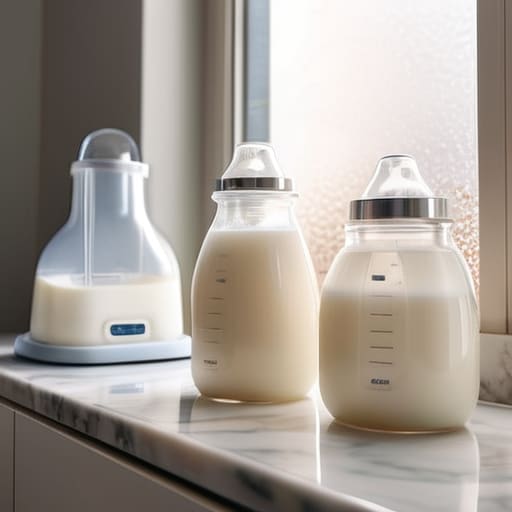
Expressing and Storing Milk Safely
If you search online for how to store and handle breast milk, you’ll be met with a dizzying array of expensive, medical-grade storage solutions and color-coded systems that promise to make your life easier. Most of it is absolute nonsense. I spent eleven years on a paediatric ward seeing exactly what happens when parents follow the “perfect” textbook rules right up until the moment they are too exhausted to function. The brochures won’t tell you that the most important thing isn’t having the most expensive BPA-free, vacuum-sealed, gold-standard container; it’s knowing what to do when you’ve accidentally left a bag on the radiator or when you’re trying to thaw a bottle with one hand while a toddler pulls at your hair.
I’m not here to sell you a lifestyle or a specific brand of pump parts. My goal is to give you the clinical facts on how to store and handle breast milk alongside the messy reality of what actually works when you’re running on three hours of sleep. I’ll tell you the safe timescales for the fridge and freezer, but I’ll also tell you which “safety warnings” are worth the stress and which ones you can honestly ignore so you can finally get some rest.
Table of Contents
Understanding How to Store and Handle Breast Milk
If you look at a clinical handbook, they’ll give you a neat table of safe milk temperature guidelines that looks as clean as a hospital corridor. They’ll tell you that milk is fine in the fridge for a few days or in the freezer for months. And technically, they aren’t wrong. But those charts don’t account for the reality of a kitchen counter that’s been baking in the sun all afternoon, or the frantic scramble of trying to find a clean spot to set down a bottle when you’re running on three hours of sleep.
When I was on the ward, I saw parents who were terrified of every little variable. The truth is, while pumping and milk preservation require some discipline, you don’t need to be a scientist to do it well. You just need to understand the basics of the breast milk shelf life for your specific setup. When my second child was six weeks old, I spent way too much time obsessing over whether a bottle had sat out for twenty minutes or thirty. In reality, the goal is simply to minimize the window where bacteria can grow. It’s about finding a rhythm that keeps the milk safe without turning your kitchen into a high-security laboratory.
Key Things to Know
First, let’s talk about the math. The textbooks provide very specific safe milk temperature guidelines—the kind that look neat in a spreadsheet—but they often fail to account for the reality of a kitchen that’s currently being used as a battlefield. When you’re looking at breast milk shelf life, remember that the “gold standard” assumes a sterile, controlled environment. In a real house, where hands are tired and the counter is cluttered, the goal shifts slightly from perfection to preventing milk contamination. If you’ve just finished a session, get that milk into the fridge immediately. Don’t leave it sitting on the side while you try to find a clean spoon or soothe a crying toddler; that’s when the bacteria start to win.
Second, invest in decent breast milk storage containers. I learned this the hard way with my second; I used cheap, flimsy bags that leaked in the freezer, turning my organized stash into a sticky, frozen nightmare. Aim for BPA-free plastic or glass that actually seals. When you eventually move to reheating breast milk safely, avoid the microwave like the plague. It creates hot spots that can burn a baby’s mouth and, more importantly, can destroy those delicate antibodies you worked so hard to produce. A warm water bath is slower, yes, but it’s much kinder to the milk.
Practical Tips and Steps
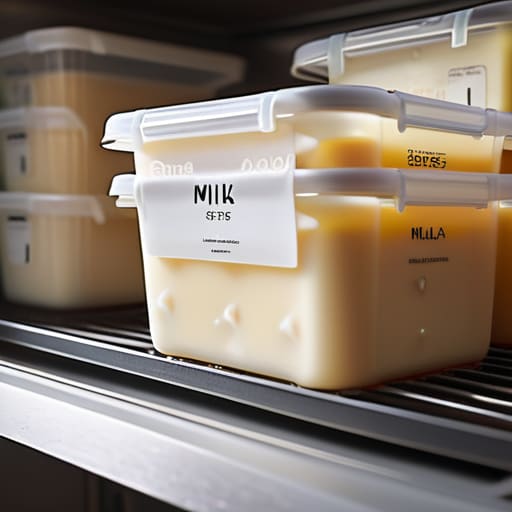
First, let’s talk about the gear. The textbooks will list every type of breast milk storage containers available, from medical-grade glass to silicone bags, but when you’re mid-session and exhausted, you just want something that doesn’t leak in the freezer. I learned the hard way with my second—a heavy-handed approach to sealing bags can lead to a literal milk explosion in your freezer. Stick to BPA-free, thick-walled bags if you can, and always label them with the date. If you don’t, you’ll eventually find yourself staring at a frozen block of mystery liquid at 3:00 AM, wondering if it’s from Tuesday or last month.
When it comes to the actual logistics, remember that pumping and milk preservation is a game of margins. If you’re moving milk from the fridge to a bottle, do it decisively. I used to think I could let a bottle sit on the counter while I finished a load of laundry, but that’s a fast track to preventing milk contamination issues. When it’s time to feed, avoid the microwave at all costs; it creates hot spots that can scald a baby’s mouth. Instead, use a warm water bath. It takes longer, but it’s the only way to ensure the milk is actually safe and consistent.
Common Mistakes to Avoid
The biggest mistake I see—and I saw it constantly on the ward—is the “just in case” mentality regarding temperature. You’ll see parents trying to stretch the breast milk shelf life by keeping it in the fridge for a week because they’re terrified of wasting a single drop. But milk isn’t a science experiment; it’s a biological fluid. If you leave it sitting in a warm kitchen while you’re trying to find a clean bottle, you’re inviting bacteria to the party. Stick to the safe milk temperature guidelines and don’t try to be a hero by playing fast and loose with the fridge door.
Then there is the temptation to “test” the milk. I once watched a sleep-deprived mum try to warm a bottle in a bowl of boiling water because she thought it would be faster. Please, don’t. You end up with hot spots that can scald a baby’s mouth, and you’re actually preventing milk contamination from becoming a much larger issue by heating it too aggressively. When it comes to reheating breast milk safely, think gentle, think slow, and for heaven’s sake, check the temperature on your wrist before it ever touches their lips.
Final Thoughts
If you’ve finished reading this and still feel like you’re one spilled bottle away from a breakdown, you’re doing fine. I remember when my second was born; I spent twenty minutes staring at a bag of frozen milk, terrified I’d somehow broken the laws of physics by leaving it out for three minutes too long. The truth is, while following safe milk temperature guidelines is important for the science of it, the reality of parenting is much messier. You will likely lose a bag to a leak, or forget a container in the back of the freezer until it’s a solid block of ice. It happens.
Don’t let the pursuit of perfect pumping and milk preservation rob you of the little sleep you do manage to get. If the milk is stored reasonably well and the baby is thriving, you are winning. If you’ve had a rough night and end up reheating a bottle a little too quickly or slightly unevenly, take a breath. You are not failing. The goal isn’t to be a human laboratory; the goal is to feed your child and eventually, hopefully, get some sleep yourself.
Five things I wish I’d known before the 3am milk-run
- Label everything with the date, not just the time. When you’re bleary-eyed at 3:15 AM with a crying six-month-old, you aren’t going to remember if that bag was pumped at 10:00 PM or 10:00 AM, and “guessing” is a recipe for a very frustrated baby and a very stressed parent.
- Don’t trust the “room temperature” window blindly. The textbooks say it’s fine for a few hours, but if your kitchen is a sauna or you’ve left the bag sitting next to a steaming cup of tea, just move it to the fridge. I learned that the hard way with my second; I spent an hour worrying about milk that was perfectly fine, simply because I hadn’t accounted for the ambient heat.
- Thaw it in the fridge, not the microwave. I know, it feels like you’re losing precious time when the baby is screaming, but the microwave creates hot spots that can burn a tiny mouth, and it destroys the very nutrients you worked so hard to express. If you’re in a rush, a bowl of warm water is your best friend, but patience is the better tool.
- The “smell test” is a bit of a myth. Some milk smells slightly soapy or metallic because of the enzymes—that’s normal. However, if it smells genuinely sour, like it’s gone off, trust your gut and bin it. I once spent twenty minutes debating a bottle with my partner, only to realize we were both just sleep-deprived and overthinking a perfectly normal scent.
- Freeze it flat. If you use storage bags, lay them flat on a tray in the freezer first. Once they’re frozen solid, you can stack them like books. It sounds like a minor organizational tweak, but when you’re dealing with a freezer that’s already crammed with frozen peas and half-eaten batches of bolognese, it makes finding the right “dose” much less of a frantic scavenger hunt.
The Bottom Line
Follow the clinical timelines for safety, but don’t let a slightly outdated bottle in the fridge send you into a spiral; if the milk looks, smells, and behaves normally, it’s usually fine.
Invest in a decent, airtight storage system early on—I learned with my second child that trying to make do with random Tupperware is a recipe for a midnight meltdown.
Perfection is the enemy of sleep; if you miss a window or a label is slightly smudged, take a breath, assess the situation, and remember that a fed baby is more important than a perfect spreadsheet.
A Final Word from the Trenches
If you take nothing else from this, remember that the science is your safety net, but your intuition is your compass. Stick to the basics: label everything with dates, don’t let the milk sit out on the counter while you’re distracted by a crying toddler, and try to keep your freezer organized so you aren’t playing a high-stakes game of Tetris at midnight. I know how it feels when you realize a bag has leaked or you’ve lost track of how long something has been in the fridge. It feels like a failure, but it isn’t. The goal isn’t perfect storage; the goal is providing what you can, safely, within the limits of your own sanity.
When I was working the night shift on the paediatric ward, I saw parents who were doing everything by the book and parents who were barely keeping their heads above water. The difference between them wasn’t how much milk they had stored; it was how much grace they gave themselves. You are doing a massive, complicated, exhausting job, and whether you are pumping, expressing, or just trying to get through the next hour, you are doing enough. If the milk spills or the schedule breaks, take a breath and try again tomorrow. The milk is important, but you are the heart of your child’s world.