
Cutting Food Waste With Three Habits
I’ve spent a decade reading “zero-waste” guides that suggest you need a dedicated pantry system, a dozen glass airtight containers, and the kind of meticulous planning that only works if you don’t have a toddler currently trying to eat a crayon. Let’s be honest: most advice on how to reduce food waste at home is written by people who have the luxury of a quiet kitchen and a predictable schedule. When you’re staring at a bag of slimy spinach at 6:00 PM after a day of school runs and tantrums, you don’t need a lifestyle overhaul; you need a way to stop throwing money in the bin without losing your mind.
I’m not going to give you a list of expensive gadgets or tell you to meal prep for seven days straight—because I know from experience that life rarely follows a spreadsheet. Instead, I want to share the practical, slightly messy tactics that actually work when you’re exhausted. We’ll talk about what to freeze, what to ignore, and how to manage a fridge that is constantly being raided by growing children. This is about real-world survival, not perfection.
Table of Contents
Understanding How to Reduce Food Waste at Home
When I was working the night shifts on the paediatric ward, I learned that “plans” are often just things we tell ourselves to feel in control before the chaos hits. The same applies to the kitchen. You can download every high-level guide on meal planning strategies available, but if those plans don’t account for a toddler deciding they suddenly hate the texture of anything green, or a teenager raiding the fridge at midnight, they’re just a recipe for guilt. Realistically, reducing waste isn’t about being a domestic saint; it’s about building a buffer between your intentions and the reality of a busy Tuesday.
A big part of that buffer is just knowing where things are. I spent years in nursing learning that if you can’t find the equipment, you can’t use it, and the same is true for your crisper drawer. Developing some basic proper refrigerator organization—putting the stuff that’s about to turn at eye level—is a game changer. When my eldest was three, I realized that if the yogurt was buried behind a jar of pickles, it was destined for the bin. It’s not about being perfect; it’s about making the right choice the easiest one.
Key Things to Know
First, let’s get one thing straight: most “perfect” meal planning strategies are designed for people who have the luxury of a quiet kitchen and a full night’s sleep. When you’re juggling a toddler’s meltdown and a school run, a color-coded spreadsheet is the last thing you need. Realistically, you need to understand your food expiration date guide—and I mean the difference between “use by” (safety) and “best before” (quality). I learned this the hard way with my second child; I spent three days worrying about a yogurt that was technically fine, just slightly past its peak, while the actual waste was the bag of spinach I’d forgotten in the crisper drawer.
The second thing is realizing that organization is your best defense. I’m talking about proper refrigerator organization, not because I’m a neat freak, but because if you can’t see the carrots at the back, they are effectively dead to you. I used to think I was failing because I couldn’t keep a pristine pantry, but then I realized that even a simple system of “eat me first” bins makes a massive difference when you’re too tired to think.
Practical Tips and Steps
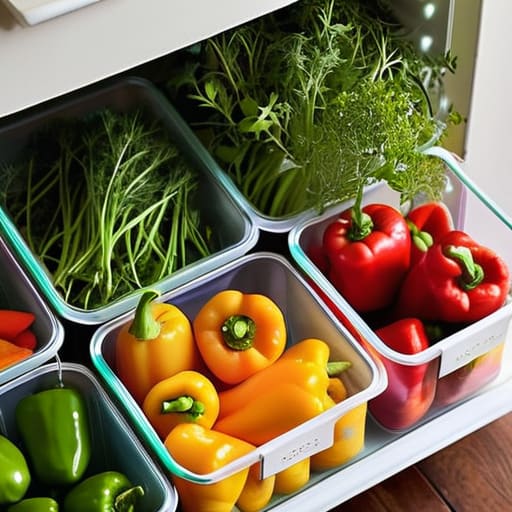
If you want to actually make a dent in the bin contents, you have to stop treating your fridge like a black hole. I learned this the hard way with my second child; I’d buy a massive bag of spinach with the best of intentions, only to find a bag of green slime at the bottom of the crisper drawer a week later. The fix isn’t more willpower; it’s proper refrigerator organization. I started using clear bins—one for “eat me now” items and one for the stuff that can wait. When you can actually see the half-used jar of pesto or that lonely bell pepper, you’re much more likely to use it before it turns.
Then there is the myth of the perfect Sunday prep. You can follow all the fancy meal planning strategies in the world, but when a toddler has a meltdown or a kid comes home with a fever, those pre-portioned containers are going to sit there untouched. Instead of aiming for a rigid schedule, I aim for flexible components. I cook a massive batch of something neutral, like roasted veg or a simple grain, that can be repurposed into three different meals. It’s about building sustainable kitchen habits that don’t crumble the moment life gets messy.
Common Mistakes to Avoid
The biggest mistake I see—and I’ve made it myself when the toddler was teething and I was running on three hours of sleep—is falling into the trap of “aspirational” meal planning. You sit down on a Sunday with a pristine notebook and map out a week of gourmet, zero-waste meals. It looks beautiful. But by Wednesday, when the reality of a chaotic household hits, those complex recipes go out the window. You end up with a drawer full of half-used ingredients because your meal planning strategies were designed for a person who isn’t constantly being interrupted by a crying two-year-old.
Another pitfall is the “fear of the date.” I used to treat every “use by” sticker like a ticking time bomb. I’d throw away perfectly good yogurt just because the calendar said so, which is the exact opposite of what we’re trying to achieve. Instead of panic-tossing, I’ve learned that a bit of proper refrigerator organization—putting the stuff that actually needs eating right at eye level—is much more effective than following a rigid food expiration date guide. If it looks, smells, and tastes fine, it usually is. Don’t let the labels dictate your guilt.
Final Thoughts
Look, if you’ve gone through this list and felt a twinge of guilt because your crisper drawer is currently a graveyard for limp carrots, please stop. I’ve been there. When I was trying to implement strict meal planning strategies with my first two, I ended up staring at a pile of wasted spinach at 9:00 PM and feeling like a total failure. The truth is, you aren’t going to master sustainable kitchen habits overnight, and you certainly won’t do it during a week when the toddler has a fever and nobody has slept more than four hours at a time.
Don’t aim for a zero-waste kitchen; aim for a slightly less wasteful one. If you manage to master proper refrigerator organization so your milk doesn’t get pushed into the dark abyss behind the jam, you’ve won. If you find yourself repurposing food scraps into a stock instead of binning them, that’s a massive victory. Perfection is a myth sold by people who don’t have four children living in their house. Just do what you can, and let the rest go.
Five things that actually work when you’re too tired to care
- Stop treating “Use By” dates like a death sentence. I learned this with my second child, who was about eighteen months old and going through a phase where even a slightly bruised banana was a personal insult. If it’s a “Best Before” date, the food is usually fine; your nose and eyes are better judges than a factory in a lab.
- Cook for the freezer, not just for tonight. When I had my third, I realised that “meal prepping” on a Sunday afternoon is a lovely idea until Monday hits and you’re actually living it. Make double portions of anything that won’t turn to mush—stews, bolognese, even plain pasta sauce—and freeze them in single portions. It’s your future self’s lifeline when the kids are melting down and you can’t face the stove.
- The “Eat Me First” box in the fridge. It sounds simple, maybe even a bit childish, but when you’ve got four kids constantly raiding the crisper drawer, things get lost. I keep a small plastic tub right at eye level for the stuff that’s looking a bit sad—that half-used jar of pesto, the limp carrots, or the yogurt that’s two days past its prime. If it’s in the box, it’s the priority.
- Forgive yourself for the wilted spinach. You will buy a bag of greens with the best intentions, and by Thursday, it will look like something pulled from the bottom of a marsh. Don’t throw it away in shame; throw it in a smoothie or a pan with some garlic. And if it’s truly gone, just bin it. The guilt of trying to save a three-pound bag of spinach isn’t worth the mental energy you need for the rest of the week.
- Shop with a “low-energy” mindset. The professional advice is to always have a strict list and never shop hungry. That’s fine for a lifestyle blogger, but when you’ve had four hours of sleep because a toddler had a nightmare, you’re going to grab the easy, expensive, pre-packaged stuff. Instead of fighting it, just buy one or two “emergency” items that are shelf-stable—like a tin of good quality lentils or a jar of sauce—so you aren’t forced to order takeaway every time the fridge looks empty.
The reality check
Stop trying to follow the “perfect” meal plan you wrote on Sunday; when you’re exhausted at 6:00 PM with four hungry kids, flexibility is more important than precision.
Focus on what actually works for your specific family’s rhythm, because a clever storage hack is useless if you’re too tired to implement it.
Give yourself some grace when things go wrong—throwing away a bag of wilted spinach isn’t a moral failure, it’s just part of the chaos of feeding a household.
One Less Thing to Worry About
Look, we’ve covered the logistics—the inventory checks, the strategic freezing, and the realization that a slightly limp carrot is still perfectly fine for a soup. But if you take nothing else away, let it be this: reducing food waste isn’t about achieving some pristine, zero-waste lifestyle that looks good on a curated Instagram feed. It’s about the small, unglamorous wins, like finally using that bag of frozen peas before they turn into ice blocks, or remembering that the leftovers from Tuesday are actually a lifesaver for Wednesday’s lunch. It’s about moving away from the guilt of the bin and toward a system that actually works for your real, messy life, rather than one that demands you become a professional chef just to keep a head of lettuce alive.
I spent years in nursing, watching parents try to be perfect in every single way, only to burn out by the time the kids hit toddlerhood. Food waste is exactly the same. Some weeks you’ll meal prep like a champion, and other weeks, when the youngest is teething and the house is a battlefield, you’ll end up throwing out a half-eaten loaf of bread because you simply didn’t have the bandwidth to deal with it. That is okay. Don’t let a wasted bag of spinach make you feel like you’re failing at home management. Just aim for progress over perfection, and remember that even a small reduction in what goes in the bin is a victory worth celebrating.