
Screens for Toddlers: Co-viewing Changes Everything
I’ve sat in enough hospital breakrooms to know that the “experts” love a good, clean rule, but they rarely account for the sheer, bone-deep exhaustion of a Tuesday afternoon. You’ll read a dozen articles on how to manage toddler screen use that suggest you should provide curated, educational content in a quiet, distraction-free environment—as if you have a quiet environment or a spare brain cell to give. The truth is, most of that advice is written for people who don’t have a two-year-old currently trying to eat a handful of dried pasta off the floor while you’re desperately trying to boil an egg.
I’m not here to give you a lecture on developmental milestones or judge you for using a tablet to buy yourself ten minutes of peace to drink a coffee while it’s still hot. Instead, I want to talk about the middle ground. I’ll give you the clinical reality of what the brain actually needs, but I’ll pair it with the practical, messy ways I’ve learned to navigate it with my own four kids. We’re going to look at what works, what fails spectacularly, and how to stop feeling like a failing parent just because you needed a moment of silence.
Table of Contents
Understanding How to Manage Toddler Screen Use

When I was on the ward, I’d see parents looking absolutely gutted because they’d let their two-year-old watch a show just to finish a lukewarm cup of tea. There is a massive gap between the clinical understanding of the impact of media on early development and the sheer, bone-deep exhaustion of a Tuesday afternoon. The science tells us that too much passive stimulation can mess with attention spans and sleep cycles, but the science doesn’t help when you are trying to cook dinner while a tiny human is having a meltdown in your kitchen.
The real trick isn’t about total prohibition; it’s about distinguishing between educational vs passive viewing. My second child, who was about two and a half, could watch a slow-paced show about trains and then go play with his blocks for twenty minutes. But when we switched to those high-speed, neon-colored sensory videos? He’d become a different person—wired, agitated, and impossible to transition away from the iPad. Developing healthy screen time habits starts with noticing those shifts in their temperament. It’s less about the minutes on the clock and more about how the content leaves them feeling when the screen finally goes dark.
Key Things to Know
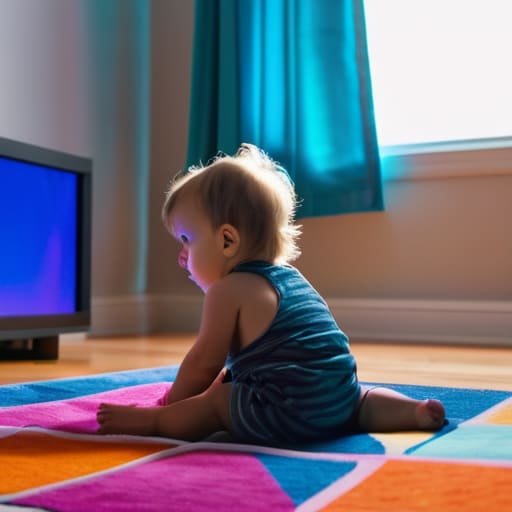
First, let’s talk about the distinction between educational vs passive viewing. In the ward, I saw plenty of kids who were “fine” but completely zoned out, eyes glazed, just absorbing whatever neon light was hitting them. There is a massive difference between a toddler actively engaging with a program that asks them to find a red shape, and a child being used as a digital pacifier to stop a meltdown. One is an interaction; the other is just a way to turn the volume down on life.
Second, you need to understand the impact of media on early development, specifically regarding how it affects their ability to self-regulate. When I was nursing, we saw kids who couldn’t handle the “boring” parts of being a patient because they were used to constant, high-speed stimulation. If we want to build healthy screen time habits, we have to accept that real life is often slow, quiet, and occasionally quite frustrating.
Finally, remember that boundaries aren’t about being a drill sergeant; they are about predictability. My second child, Leo, was four when we finally figured out that a visual timer worked better than a shouted “five more minutes” from the kitchen.
Practical Tips and Steps

The first thing I learned—usually while trying to cook dinner with a two-year-old hanging off my leg—is that you cannot just “set a boundary” with a device. You have to build a bridge to whatever comes next. If you just snatch the iPad away, you aren’t just stopping a show; you’re crashing a dopamine party. Instead, try the “five-minute warning” approach. I started doing this with my second child when they were about two and a half, and it changed everything. Don’t just say “five minutes”; use a visual timer or a physical cue. It helps them transition from educational vs passive viewing back into the real world without the meltdown that usually follows a sudden digital blackout.
Next, focus on what you are replacing the screen with. If you’re using a tablet to keep them quiet during a long car journey, that’s one thing, but if it’s become the default babysitter every evening, you’ll hit a wall. I’ve found that toddler screen time alternatives like “busy bags”—essentially a small pouch of new, tactile toys like stickers or chunky puzzles—work wonders. The goal isn’t perfection; it’s about creating healthy screen time habits that don’t leave you feeling like a failure when you occasionally use a cartoon to get through a grocery shop.
Common Mistakes to Avoid
The biggest mistake I see—and I’ve made it myself when the house felt like it was collapsing—is treating screen time as a “set and forget” tool. We often fall into the trap of thinking that as long as the content is “educational,” it’s fine. But there is a massive difference between educational vs passive viewing. You can have a show that claims to teach counting, but if your two-year-old is essentially in a trance, staring blankly while their brain goes on autopilot, you aren’t really fostering development. I learned this with my second, who could sit through a nature documentary like a statue, but then would have a total meltdown the moment the screen went dark because they hadn’t actually “played” for two hours.
Another pitfall is the “sudden stop.” If you use a tablet to keep them quiet during a long car journey or a restaurant visit, you cannot suddenly snatch it away without a transition. When I was nursing, I saw kids who were incredibly dysregulated because their digital world was switched off mid-scene. To build healthy screen time habits, you have to bridge the gap. Don’t just kill the power; give them a five-minute warning or a physical object to hold next. It feels like more work in the moment, but it saves you a thirty-minute tantrum later.
Final Thoughts
If you’re sitting there feeling like you’ve failed because you let your two-year-old watch Bluey just so you could finish a lukewarm cup of tea, please listen to me: you haven’t. The clinical literature on the impact of media on early development is vital, and it matters, but it doesn’t account for the sheer, bone-deep exhaustion of the toddler years. There is a massive gap between the “perfect” parenting we see on Instagram and the reality of trying to maintain healthy screen time habits while your house is being dismantled piece by piece.
My goal isn’t to help you build a fortress of rules that will inevitably crumble the moment you have a bad day. It’s about finding a rhythm that works for your specific family. Sometimes that means strict boundaries; sometimes it means using a screen as a temporary survival tool. Focus on the long game—prioritising connection and movement over a perfect digital diet. You are doing a much better job than your tired brain is letting you believe right now.
Five ways to survive the screen-time battle without losing your mind
- Stop aiming for “zero” and start aiming for “intentional.” The medical guidelines suggest avoiding screens entirely under two, which is fine in a textbook, but when my second was eighteen months old and I had a mountain of laundry and a literal headache, a twenty-minute episode of something calm wasn’t a failure—it was a survival strategy. The goal isn’t perfection; it’s making sure the screen isn’t the only thing that keeps them quiet.
- Use the “transition warning” that actually works. Telling a two-year-old “five more minutes” is a lie they can smell a mile away, and it leads to a meltdown that feels like it’ll never end. What worked for my third, when he was about two and a half, was physical connection. I’d sit next to them, watch the show for a minute, and then say, “When this episode finishes, we’re going to go find the blue blocks.” You have to bridge the gap between the digital world and the real one.
- Curate the content like you’re choosing a meal. If you just hand them the iPad and let the algorithm take over, you’re going to end up with high-octane, neon-colored sensory overload that leaves them wired and impossible to settle. I learned the hard way with my eldest that “fast” shows lead to “fast” tantrums. Stick to slower-paced, gentle shows—the kind that don’t feel like they’re shouting at the child.
- Create “No-Screen Zones” that are non-negotiable, especially at mealtimes and in the bedroom. The science is clear about blue light messing with sleep, but the practical reality is that if the TV is on during dinner, nobody is actually learning how to sit in a chair or use a spoon. We kept the dining table a screen-free zone from the moment my kids were toddlers, and while it was a struggle for the first few weeks, it saved our sanity during the evening wind-down.
- Model the behavior, even when it’s hard. You can’t tell a three-year-old that screens are a secondary activity while you’re scrolling through news feeds or checking work emails right next to them. They are little mirrors. If they see you using technology as a way to “zone out,” they will do the same. I’ve had to learn to put my own phone in a drawer during the hours they are awake, which is much harder than it sounds when you’re trying to manage a household.
The Bottom Line
Don’t aim for perfection or follow the “zero screen time” rule if it means you’re too burnt out to actually parent; aim for predictable boundaries that work for your specific family rhythm.
Use screens as a tool for transition or survival when you’re at your limit, but try to avoid using them as a permanent substitute for human interaction, especially as they get closer to age three.
The most important thing isn’t the minutes on the clock, it’s being consistent enough that your toddler knows what to expect when the device eventually goes away.
The Long View
If you take anything away from this, let it be that managing screen time isn’t about achieving some state of digital purity or following a rigid timetable that looks good on a Pinterest board. It’s about the messy, middle ground. It’s about knowing when that twenty minutes of Bluey is a legitimate tool to help you finish a lukewarm dinner, and when it’s becoming a crutch that’s making your toddler’s tantrums harder to manage. We’ve talked about setting boundaries, watching for the “zombie stare,” and the importance of transitioning away from the tablet without a meltdown. But remember: the goal isn’t to be a perfect gatekeeper; it’s to be a consistent presence in their world, ensuring the digital bits don’t crowd out the real-life ones.
I’ve spent years looking at children through a clinical lens, and I’ve spent just as long looking at them through the eyes of a father who is utterly wiped out. There will be days when you fail. There will be days when the screen is the only thing standing between you and a total breakdown, and that is okay. You aren’t a bad parent because your two-year-old watched a show while you showered. Parenting is a marathon of small, imperfect choices, not a sprint toward perfection. Just keep showing up, keep adjusting the dials, and remember that your relationship with your child matters infinitely more than the minutes spent on a device.