
Search for:
Tips on how to travel with a baby.
Travelling With a Baby and Accepting the Chaos

If you spend enough time scrolling through parenting blogs, you’ll be convinced that knowing how to travel with a baby requires a military-grade logistical operation, a specialized diaper bag for every conceivable scenario, and a level of zen-like patience that frankly doesn’t exist in humans. The “experts” will tell you to maintain strict feeding windows and pack a pristine, color-coded nursery in your carry-on. But let me tell you something from a man who has spent eleven years on a paediatric ward and four years trying to get four children to coexist in a moving vehicle: the plan is always the first thing to break. When you are standing in a crowded terminal at 3:00 AM, clutching a lukewarm coffee while your ten-month-old decides that the concept of “nap time” is a personal insult, you don’t need a checklist of expensive gadgets; you need a survival strategy.

I’m not here to sell you on the dream of a seamless, Instagram-ready holiday. Instead, I want to give you the bridge between what the medical manuals say and what actually happens when you’re stuck in a middle seat. I’ll share the practicalities of gear that actually matters, the biological realities of jet lag, and the unfiltered truth about when to push through the exhaustion and when to just call it a day and order room service.

Table of Contents

Understanding How to Travel With a Baby

Understanding How to Travel With a Baby

Before you even look at a suitcase, you have to reconcile two very different versions of reality. There is the version in the glossy brochures, which suggests that if you simply tick off a baby travel essentials checklist, the journey will be a seamless transition of nap times and happy smiles. Then there is the reality I lived through with my second, who decided that the cabin pressure of a Boeing 747 was the perfect acoustic environment to practice his operatic screaming.

The trick isn’t trying to force a perfect routine; it’s about managing your own expectations of what “success” looks like. When I was nursing, I’d see parents looking utterly defeated because their six-month-old wouldn’t settle in a new environment. I’d tell them the same thing I tell my own lot: you cannot control the environment, you can only control your response to it. When it comes to traveling with toddlers and infants, the goal shouldn’t be a flawless itinerary. The goal is simply getting from point A to point B without anyone losing their mind. If you end up eating lukewarm pasta in a terminal while your child naps on your shoulder, consider that a win.

Key Things to Know
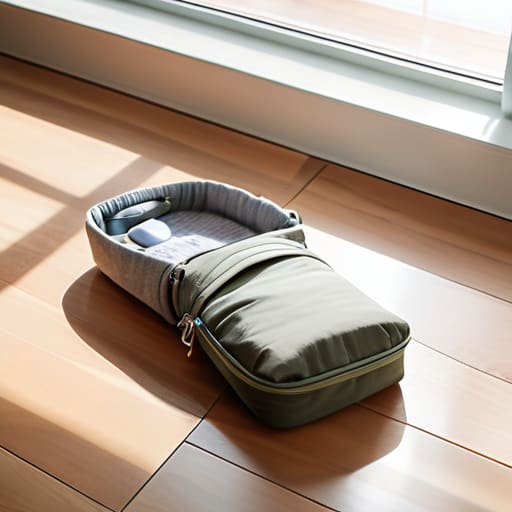
Key Things to Know: Baby Travel Gear

First, let’s talk about the gear. You’ll find endless lists online, but a massive baby travel essentials checklist is often just a recipe for a heavy suitcase and a broken back. When my eldest was ten months old, I tried to bring the entire nursery with us on a flight to Spain; I spent the first three hours of the trip lugging a heavy travel cot through a terminal while he screamed because he couldn’t find his specific pacifier. The reality is that you need the bare minimum that keeps them contained and fed. If it doesn’t fold flat or serve two purposes, leave it at home.

Second, forget the idea of maintaining baby sleep schedule while traveling. The books say to stick to the routine, but the plane cabin pressure and the hum of the engine have other ideas. When my second was two, I spent a fortune trying to recreate her darkened nursery in a hotel room, only to realize she was actually fine as long as I was within arm’s reach. Don’t fight the environment; instead, focus on predictable comfort. If they sleep on the plane, let them. If they don’t, you’ll just have to survive the next leg of the journey on caffeine and sheer willpower.

Practical Tips and Steps
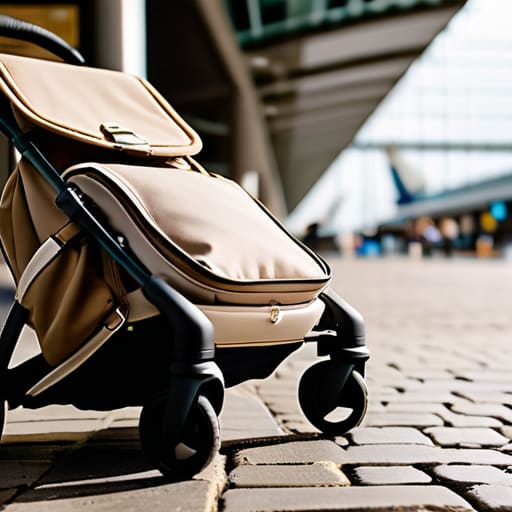
Practical Tips and Steps for baby travel.

First, let’s talk about the gear. You’ll see endless lists online, but my rule of thumb is this: if you can’t carry it while holding a squirming two-year-old in one arm and a diaper bag in the other, you don’t actually need it. When my eldest was fourteen months, I tried to bring the full-sized travel cot and a mountain of toys; I ended up looking like a pack mule and feeling twice as exhausted. Instead, build a lean baby travel essentials checklist focused on high-impact items—think a compact, lightweight stroller and enough nappies for the journey plus a three-hour buffer.

When it comes to the actual transit, forget about maintaining baby sleep schedule while traveling with any sense of perfection. The jet lag is coming for you regardless. My advice? Focus on the immediate environment. If you are flying, prioritize baby feeding during flights; the swallowing motion helps ease the pressure in their ears during takeoff and landing, which is a lifesaver. I learned this the hard way with my second child, who turned a routine flight into a two-hour ear-pain meltdown because I thought we could “wait until we landed” to feed. Don’t wait.

Common Mistakes to Avoid

The biggest mistake I see—and the one I made repeatedly with my first two—is the attempt to maintain a perfect, rigid routine. You’ll see influencers posting about maintaining baby sleep schedule while traveling as if it’s a simple matter of willpower, but let’s be honest: once you’re in a cramped middle seat or a noisy hotel room, that schedule is usually the first thing to go. When I was a nurse, I saw how much stress parents took on when they couldn’t stick to the “plan.” My third child, who was ten months old at the time, completely ignored our strict nap windows the moment we hit the motorway. Trying to force a schedule that isn’t happening only results in a frustrated parent and a more overtired baby.

Another trap is the “just-in-case” packing spiral. You’ll find yourself staring at a mountain of baby gear for long trips, convinced that if you just bring one more heavy portable crib or an extra crate of wipes, you’ll be safe. I spent years over-packing, only to realize that the things you actually need are usually the things you forgot, like a spare change of clothes for you when the inevitable blowout happens. Focus on the essentials, leave the heavy lifting behind, and accept the chaos before you even leave the driveway.

Final Thoughts

If you’ve reached the end of this list and you’re still feeling a sense of impending doom, congratulations—you’re actually prepared. The mistake most people make is thinking that a perfect trip is about the gear; they spend weeks obsessing over a baby travel essentials checklist only to realize that a meticulously packed bag doesn’t stop a ten-month-old from having a meltdown during takeoff. I remember when my second was eight months old; I had every gadget known to man, yet I still ended up sitting on a terminal floor, feeling like a total failure because the “plan” had evaporated.

The truth is, you aren’t actually trying to maintain a perfect routine; you are simply trying to manage the chaos with as much grace as your caffeine levels allow. Whether you are focused on maintaining baby sleep schedule while traveling or just trying to get through a single meal without a flying spoon, give yourself some slack. Some days the evidence-based advice works, and some days the 2:00 AM reality wins. Both are okay. Just keep moving, keep breathing, and remember that the destination is worth the madness.

Five things the travel brochures won't tell you

  • Pack for the “what if” rather than the “what should be.” When my second was six months old, I packed based on a lovely sunny itinerary, only to find ourselves in a damp rental with a child who suddenly decided milk only comes from a specific, non-portable bottle. Always pack one extra change of clothes for the baby, one for you (because spit-up is a projectile weapon), and enough nappies to last forty-eight hours longer than you think you’ll need.
  • Respect the “window of opportunity.” The medical manuals talk about sleep hygiene and routine, but in an airport, you’re working with chaos. I learned with my third, when he was about nine months, that if you try to push through a nap to make a flight, you aren’t “making progress”—you are simply scheduling a meltdown in seat 14B. If they look heavy-eyed, find a corner, find a quiet spot, and let them sleep, even if it means you miss a souvenir shop.
  • The “Emergency Kit” goes in the cabin, not the hold. I once watched a frantic parent realize their entire supply of infant paracetamol and soothing wipes was locked in a suitcase at the bottom of a cargo hold. Keep a small, dedicated bag with you containing basic meds, a thermometer, and a few high-value, non-messy snacks. If the baby is teething or has a sudden temperature at 3:00 AM in a hotel room, you don’t want to be hunting through taped-up suitcases.
  • Accept that “the plan” is a suggestion, not a rule. When my eldest was a toddler, I had a colour-coded spreadsheet for our first trip. By hour three, the spreadsheet was in the bin. If the baby is screaming, the “scheduled sightseeing” is cancelled. If the flight is delayed and they are hungry, the “healthy snack plan” is scrapped for whatever easy thing is available. Give yourself permission to fail at your itinerary; it’s the only way to keep your sanity.
  • Use the “Distraction Arsenal” strategically. There is a difference between a toy they’ve played with for months and a brand-new, crinkly piece of packaging. I found that with my four-month-old, the most effective “toy” wasn’t the expensive plush elephant I’d bought, but a simple, clean silicone spatula from the hotel kitchenette. It was new, it was tactile, and it kept him occupied long enough for me to actually finish a cup of lukewarm tea.

The Reality Check: Three Things to Carry With You

Abandon the “perfect schedule” myth; the medical manuals suggest keeping strict routines, but when you’re navigating security lines or a delayed flight, your goal isn’t a routine—it’s survival. Aim for “close enough” and forgive yourself when the plan goes out the window.

Prioritize the “sensory kit” over the “toy kit”; while a new book is great, at six months old, a baby is more likely to be calmed by a familiar, crinkly snack wrapper or a soft muslin cloth than a complex activity set. Pack the things that smell like home.

Know your “red lines” for when to stop; if you’re at the airport and the crying has shifted from “annoyed” to “distressed/inconsolable,” or if you’re seeing signs of genuine physical discomfort, stop trying to push through the itinerary. A twenty-minute sit-down on the floor is better than a meltdown that ruins the next six hours.

The View from the Departure Gate

If you take nothing else from this, remember that the “perfect” travel itinerary is a myth. You can pack the extra nappies, download every soothing white noise track known to man, and time your departures to the minute, but a baby doesn’t care about your flight schedule. They care about being tired, overstimulated, or simply needing to be held. My advice is to pack for the worst-case scenario—the extra change of clothes for you, not just them—and to accept that your primary job isn’t to follow the plan, but to manage the chaos. When the meltdown happens in the middle of security, don’t fight it; just breathe, find a corner, and remember that this is temporary.

I remember my first big trip with my eldest when he was ten months old. I had everything organized like a military operation, and the moment he started screaming in the terminal, I felt like I had failed spectacularly. But looking back, that trip wasn’t defined by the tantrum; it was defined by the way we eventually made it to the beach and saw him splash in the waves for the first time. You aren’t failing because things are messy; you’re just living the reality of parenting on the move. Be kind to yourself, lower your expectations of what a “relaxing holiday” looks like, and just focus on getting to the next destination. You’ve got this.


How to teach safety rules to toddlers.
Teaching Road Safety From Age Two

I remember standing in a sterile hospital corridor during a night shift, listening to a mother explain how she’d followed every single “safety checklist” in the book, only to find her toddler had managed to find the one unlatched cabinet she’d missed. The textbooks make it sound like how to teach safety rules is a matter of clear communication and logical consequences, as if a two-year-old has a functioning prefrontal cortex. But when you’re staring at a child who has just discovered that the laundry detergent pods look exactly like forbidden gummy sweets, you realize that logic is a luxury you simply cannot afford at three in the morning.

I’m not here to give you more glossy pamphlets or tell you to buy a specific brand of plastic corner protectors. What I want to do is bridge the gap between the clinical guidance I used to hand out as a nurse and the messy, exhausting reality of raising four kids of my own. I’ll tell you what actually works for different developmental stages—and more importantly, where the guidance fails—so you can stop feeling like you’re constantly one step behind a tiny, unpredictable whirlwind.

Table of Contents

The Textbook Lie Why How to Teach Safety Rules Often Fails

The Textbook Lie Why How to Teach Safety Rules Often Fails

The textbook version of safety training is always clean, linear, and logical. It suggests that if you sit a four-year-old down and explain the mechanics of water safety for toddlers, they will suddenly develop a profound respect for the edge of the pool. But I’ve spent enough shifts on a paediatric ward to know that a child’s brain doesn’t work like a programmed computer. You can give them the most sophisticated lessons in teaching kids personal safety, but the second they see a shiny pebble at the bottom of a pond or a bright red balloon drifting toward a road, that logic evaporates.

The failure happens in the gap between “knowing” and “doing.” At age three, my middle child knew exactly what the rules were; he also knew that a heavy ceramic mug looked very interesting when held over the edge of the kitchen counter. We tend to treat safety like a curriculum to be completed, but real-life application is messy and impulsive. You aren’t just teaching rules; you are trying to build a reflex in a tiny human who is primarily driven by curiosity and a total lack of impulse control.

Moving Beyond Stranger Danger Education for Kids and Real Panic

Moving Beyond Stranger Danger Education for Kids and Real Panic

For years, the gold standard was “Stranger Danger.” We taught kids to run away from anyone they didn’t know, which, in hindsight, was a bit of a disaster. When my eldest was four, I realized that if a child is taught that every unfamiliar face is a predator, they lose the ability to ask a helpful adult for help when they’re actually lost in a supermarket. It creates a kind of paralysis. Instead of teaching them to fear the unknown, I found much more success with teaching kids personal safety through the lens of “tricky people.” A tricky person is someone who asks a child for help without asking their parent first, or someone who asks them to keep a secret. It’s a much more concrete concept for a small brain to grasp than the abstract concept of “strangerhood.”

We also have to move away from the lecture format and toward actual practice. You can’t just recite childhood safety awareness activities like a list of commandments and expect it to stick when the adrenaline hits. I remember trying to explain water safety to my second when he was three; he didn’t care about the physics of drowning, he just wanted the pool. Now, we do “dry runs”—little games where we practice what to do if we get separated. It’s not about inducing panic; it’s about building muscle memory so that when the world gets loud and scary, they aren’t starting from zero.

Teaching Children Road Safety Rules Without the Constant Fear

Teaching Children Road Safety Rules Without the Constant Fear.

The problem with most guidance on teaching children road safety rules is that it relies on a heavy dose of adrenaline. We tend to teach through the lens of “don’t do this or something terrible will happen,” which is a fine way to get a two-year-old to freeze in place, but a terrible way to build actual competence. When I was on the ward, I saw kids who were so terrified of the “big scary cars” that they’d actually become more impulsive or clingy in ways that made them harder to manage near a curb.

Instead of the scare tactics, I’ve found that treating it like a skill—much like learning to tie laces—works better. We do what I call “active observation” during our walks. When my second child was three, we didn’t just hold hands and pray; we played a game where he had to point out the wheels of every car that stopped. It turned a high-stress moment into a cognitive exercise. By incorporating small childhood safety awareness activities into your daily routine, you move the lesson from a frantic command to a predictable habit. You aren’t just preventing a tragedy; you’re building a sense of capable awareness that actually lasts.

Water Safety for Toddlers When Drills Meet Real World Chaos

The medical brochures make water safety sound like a series of logical steps: teach them not to touch the tub, keep a lid on the toilet, and never swim without an adult. But when you’re dealing with a two-year-old who has the impulse control of a caffeinated squirrel, those “steps” feel more like suggestions. My second child, Leo, was eighteen months old when he discovered that a half-full bucket of water was essentially a personal playground. He didn’t understand “danger”; he only understood that the splashing sound was fascinating.

Instead of relying on abstract lectures, I found that water safety for toddlers works better when it’s treated as a physical boundary rather than a verbal rule. We didn’t do formal safety drills for children—that’s too much pressure for a toddler—but we did “stop and look” games near the bath. I learned that you can’t just tell them “no”; you have to teach them the physicality of the boundary. It’s about building a gut instinct that water is a place where we pause and hold a hand, rather than a concept they can process while they’re busy trying to eat a rubber duck.

Childhood Safety Awareness Activities That Actually Stick During Meltdowns

The problem with most childhood safety awareness activities is that they assume a child is a rational, calm participant. They aren’t. When my second child was three, I tried to do a “safety drill” about what to do if we got separated in a shop. I had a little plan, a little script, and a lot of confidence. Ten minutes in, he had a meltdown because I wouldn’t let him hold a specific plastic dinosaur, and the “lesson” evaporated into a heap of tears and frustration. You cannot teach a child a new skill while they are in a state of neurological red alert.

Instead of formal lessons, I’ve found that gamifying the mundane works far better. When my oldest was four, we didn’t sit down for a lecture on teaching kids personal safety; we played “Red Light, Green Light” in the driveway to practice stopping at the curb. It wasn’t a classroom session; it was a game that built muscle memory. You want to catch them when they are happy, fed, and slightly bored. That is when the information actually sticks, because they aren’t fighting you for control—they’re just playing.

Practical Parenting Tips for Child Safety When Youre Exhausted

When you are running on four hours of broken sleep and a lukewarm cup of tea, the idea of running structured safety drills for children feels less like proactive parenting and more like a special kind of torture. The textbooks suggest you should turn these lessons into consistent, repetitive exercises, but they don’t account for the fact that you are currently being used as a human climbing frame. When you’re that exhausted, don’t aim for a formal lesson. Instead, lean into “micro-moments.” If you’re walking to the car, don’t give a lecture on teaching children road safety rules; just make the “stop at the curb” a physical, high-stakes game that requires their full attention for ten seconds.

The goal isn’t to be a perfect instructor; it’s to build muscle memory. When I was working the wards, I saw that the kids who reacted fastest weren’t the ones who had sat through long talks, but the ones who had practiced the physicality of the rule. If you’re too tired for a full activity, just do one thing: link a safety rule to a physical movement. At age three, my middle child didn’t understand the concept of “danger,” but he understood that “red light” meant freezing like a statue. That’s much easier to manage when you’re too tired to argue.

Five ways to make safety stick when you're too tired to lecture

  • Stop using the “scary story” method. When my second child was three, I tried to scare him about the stove by describing burns, and all it did was make him terrified of the kitchen entirely. Instead, use “if/then” logic: “If the stove is on, then we stay back two big steps.” It gives them a rule to follow rather than just a fear to carry.
  • Practice the “Stop and Look” drill when things are calm. You can’t teach a child how to react to a car pulling out of a driveway while they are mid-tantrum or chasing a butterfly. I started doing “stop” games when my eldest was four—just random moments in the garden where we’d all freeze—so the physical act of stopping became a muscle memory, not a negotiation.
  • Use “Check-Backs” to ensure they actually heard you. In the ward, we called it closed-loop communication, and it works for toddlers too. If you tell a five-year-old, “Don’t touch the hot kettle,” don’t just nod when they say ‘okay.’ Ask them, “What’s the rule about the kettle?” If they can’t repeat it, they haven’t processed it; they’ve just heard noise.
  • Match the complexity to the age, not the capability. A two-year-old doesn’t need to understand the mechanics of a car crash; they just need to know that a car is a “big moving thing” that stays in its lane. I learned with my third that if I gave a rule that was too complicated, they’d just tune me out. Keep the rules short enough to fit on a post-it note.
  • Accept that “safety” is a moving target. There will be days when you forget to double-check the gate or you miss a loose rug, and that’s fine. You aren’t aiming for a sterile, risk-free environment—that doesn’t exist—you’re just trying to build their internal compass. If they fall and scrape a knee because they forgot a rule, treat it as a data point, not a parenting failure.

The Survival Kit: What to Carry Forward

Stop aiming for perfection and start aiming for “functional.” The manual wants you to have a seamless, consistent safety routine, but when you’re dealing with a four-year-old who has just discovered the joy of running toward a puddle, “perfect” is a fantasy. Aim for the rules that keep them alive and the ones that keep you sane; the rest can wait until after coffee.

Safety rules need an age attached to them to actually mean anything. Telling a two-year-old “don’t touch the stove” is a waste of your breath because they don’t have the impulse control to process it. By the time my second child was four, we stopped talking about “danger” in the abstract and started using specific, concrete “stop” commands that worked because they were short enough to be heard through a tantrum.

Trust your gut over the guidebook when the stakes feel high. There is a massive difference between a child being “naughty” and a child being unsafe. If your instinct is screaming that something is wrong, call the professional or the helpline. But if you’re just exhausted and feeling like a failure because they won’t sit still in the car, remember that most of the “safety protocols” you read about are designed for ideal conditions, not for the messy, loud reality of a Tuesday afternoon.

The Long Game of Keeping Them Safe

If you take anything away from this, let it be that teaching safety isn’t about memorising a list of “don’ts” or living in a state of constant, vibrating panic. We’ve looked at why the textbook approach fails, why “stranger danger” is a flawed concept, and how to handle the chaos of water and road safety without losing your mind. It’s about moving from rigid, fear-based rules to a more fluid, conversational way of living. You can’t prepare for every single variable—I’ve seen enough paediatric emergencies to know that the most prepared parents still get blindsided—but you can build a foundation of situational awareness that stays with them long after the toddler years are done.

At the end of the day, please try to forgive yourself for the moments when the rules slip. When you’re exhausted, or when your four-year-old decides to test a boundary at the exact moment you’re trying to boil pasta, remember that perfection is not the goal. Your job isn’t to be a flawless security system; it’s to be a steady, calm presence they can turn to when things go wrong. You are teaching them how to navigate a world that is inherently unpredictable. It is messy, it is exhausting, and it rarely goes according to the manual, but you are doing better than you think you are.

Tips on how to establish a nap routine.
Wake Windows Beat the Clock

If you spend ten minutes on Instagram, you’ll be told that learning how to establish a nap routine requires a $200 blackout curtain, a specific white noise frequency, and a meticulously timed sequence of sensory activities. It’s all very aesthetic, and it’s all complete nonsense. I spent eleven years on a paediatric ward seeing what actually happens when sleep deprivation hits a household, and I can tell you that no amount of expensive linen is going to fix a toddler who has decided that 1:15 PM is the optimal time to stage a hunger strike. I’ve sat on the floor of many a dim living room, watching a “perfect” schedule crumble because my second child decided that sleep was a personal insult.

I’m not here to sell you a lifestyle or a miracle product. What I am going to do is give you the unfiltered reality of what actually works, based on both clinical evidence and the messy, loud, sleep-deprived reality of raising four kids. I’ll tell you which developmental milestones actually matter and when you should just give up for the day and try again tomorrow. We’re going to talk about timescales, failure modes, and how to find a rhythm that survives the chaos of real life.

Table of Contents

What the Manual Says vs What the Nursery Actually Feels Like

What the Manual Says vs What the Nursery Actually Feels Like

The textbooks make it sound like a mathematical equation. You observe the signs of sleepiness in babies, align them with their biological clock, and suddenly, everything clicks into place. The manuals talk about optimizing daytime sleep as if you’re tuning a fine-tuned engine, suggesting that if you just follow the prescribed infant sleep schedules, the machine will hum. They promise that consistency is the magic wand that prevents the dreaded sleep regression.

But the manuals don’t account for the human element. They don’t mention the toddler who has decided that today, for reasons known only to them, the concept of a midday rest is a personal insult. I remember my second, when he was fourteen months old; I had the perfect schedule mapped out on a spreadsheet, but he spent every nap attempt trying to climb the bookshelf like a mountain goat. In the ward, we saw it too—the “perfect” clinical plan often hits a wall when a child is teething, or teething, or just plain refusing to cooperate. The science provides the framework, but the reality is usually a messy, loud negotiation.

Decoding Signs of Sleepiness in Babies Before the Meltdown Starts

Decoding Signs of Sleepiness in Babies Before the Meltdown Starts

In the ward, we used to look for the “quiet cues”—those subtle shifts before a baby hits the red zone. The problem is, by the time your child is rubbing their eyes or pulling at their ears, they’ve often already missed the window. When you’re trying to master signs of sleepiness in babies, you have to look for the “glazed look.” It’s that moment when they stop interacting with their toy and just stare blankly at a lamp. When my second child was about seven months old, I missed that stare entirely and waited for the crying. By then, the cortisol was already pumping, and we were looking at a two-hour battle rather than a twenty-minute nap.

The goal is to catch them while they are still mildly bored, not when they are actively fighting for their lives. If you wait for the screaming, you aren’t just fighting sleep; you’re fighting a physiological spike in adrenaline that makes preventing sleep regression feel like an impossible task. Watch for the heavy eyelids or the sudden loss of interest in the world. If they start acting “weird”—that frantic, hyperactive energy that seems like they’re suddenly wide awake—you’ve gone too far. You’ve missed the boat, and now you’re just treading water.

The Science of Circadian Rhythm and Napping for Real Life

The Science of Circadian Rhythm and Napping for Real Life.

Now, if you look up the textbook definition, circadian rhythm and napping are all about that internal biological clock syncing up with light and dark. The science tells us that by age four months, a baby’s body starts producing melatonin in response to the day-night cycle, which theoretically makes optimizing daytime sleep a straightforward matter of timing. It sounds lovely on paper—a predictable, rhythmic dance of biological cues and steady rest.

But here is what the textbooks leave out: your child’s internal clock doesn’t care about your 9-to-5 work schedule or the fact that you finally managed to get the laundry folded. When I was on the ward, I saw plenty of babies whose rhythms were perfectly “textbook,” yet they still struggled because life isn’t a controlled laboratory. You can follow every rule regarding infant sleep schedules to the letter, but a teething flare-up or a sudden growth spurt will hijack that rhythm faster than you can say “sleep regression.” Real life is messy, and sometimes the science is just a baseline to aim for, rather than a promise that everything will go smoothly.

How to Establish a Nap Routine That Doesnt Break You

If you want to actually build a routine that sticks, you have to stop treating it like a military operation and start treating it like a negotiation. The textbooks love to talk about optimizing daytime sleep through rigid time blocks, but my second child, Leo, taught me that a schedule is only as good as the mood of the person in the crib. Start by finding your “anchor”—that one consistent thing, like a specific soft song or a particular dimming of the lights. When my eldest was fourteen months, we found that a five-minute wind-down period was the only way to bridge the gap between high-octane play and actual rest.

Don’t aim for perfection; aim for predictability. You’ll know you’re on the right track when you stop fighting the clock and start watching the child. If you try to force a nap because the manual says it’s 1:00 PM, but they are wide awake and thriving, you’re just setting yourself up for a battle. The goal isn’t to hit a specific minute on the clock, but to create a sequence of events that signals to their brain that the world is slowing down. Consistency beats rigidity every single time.

Optimizing Daytime Sleep Without Losing Your Mind or Sanity

If you’re looking for a way to achieve perfect, predictable infant sleep schedules, I’m going to disappoint you right now. In the ward, we had controlled environments; at home, you have a toddler who has suddenly discovered that their favorite plastic dinosaur is much more interesting than closing their eyes. When I was working with my second, a particularly stubborn boy, I learned that optimizing daytime sleep isn’t about forcing a child into a box, but about managing the environment so they don’t fight the transition quite so hard. It’s about the lighting, the white noise, and—crucially—the timing.

The real trick to preventing sleep regression or those dreaded mid-afternoon meltdowns is watching the clock against the child’s actual behavior. You can follow the textbook to the letter, but if you miss those early signs of sleepiness in babies, you’re essentially trying to park a car that’s already doing eighty on the motorway. I found that once my oldest hit eighteen months, we stopped aiming for a specific time and started aiming for a specific “window” of wakefulness. It’s less precise, which feels wrong to our Type-A brains, but it’s much more effective for your sanity.

Preventing Sleep Regression When Everything Seems to Go Wrong

Here is the reality of sleep regression: it feels less like a developmental milestone and more like a personal vendetta taken out by your child. When you’re finally finding your rhythm, suddenly the infant sleep schedules that worked beautifully last week are tossed out the window in favour of screaming at the ceiling. I remember with my second, around the eight-month mark, we had finally mastered the art of the midday snooze, only for him to decide that teething and learning to crawl were far more important than any nap.

The trick to preventing sleep regression from turning into a total household collapse isn’t about being more rigid; it’s about being more flexible. When you see those early signs of sleepiness in babies—the glazed eyes or the sudden loss of interest in their toys—you have to act on them immediately, even if it means abandoning your “perfect” schedule for a day. If you try to force the old routine when their brain is busy rewiring itself, you’ll just end up with a very overtired toddler and a very exhausted parent. Sometimes, the best way to get back on track is to lean into the chaos for forty-eight hours.

Five Rules for Naps That Might Actually Stick

  • Stop chasing the “perfect” window. The textbooks love to talk about precise sleep windows, but when my second child was ten months old, he’d be ready to crash at 12:15 one day and 1:45 the next. If you try to force a nap at exactly 1:00 PM every single day like a clockwork machine, you’re going to end up fighting a tiny, screaming human. Aim for the signs of tiredness, not the digits on the clock.
  • The “Pre-Nap Buffer” is your best friend. You can’t go from high-octane play in the garden straight into a dark room and expect a miracle. I learned this the hard way with my third; we tried to skip the wind-down, and it resulted in a forty-minute meltdown. Give them fifteen minutes of something low-stakes—a book, a quiet song, or just sitting on the sofa—to signal to their nervous system that the party is over.
  • Accept that the environment isn’t a laboratory. You’ll read advice about “blackout curtains and white noise machines” as if every nursery is a controlled clinical environment. In reality, your neighbor is going to mow the lawn, or the dog is going to bark, or the toddler next door is going to have a crisis. Don’t aim for total silence; aim for a “predictable enough” space where a little bit of life won’t shatter their sleep.
  • Watch for the “Second Wind” trap. This is the most dangerous moment in parenting. Around the age of eighteen months, if you miss that initial window of sleepiness, they get a sudden, terrifying burst of manic energy. It looks like they’re suddenly happy and ready to play, but it’s actually just cortisol hitting their system. If you see that frantic, wide-eyed energy, you’ve missed the boat; stop trying to force the nap and just prepare for a very long, very loud afternoon.
  • Build a routine that works for the person doing the nap, not just the child. If your nap routine requires you to perform a three-act play involving a specific stuffed elephant, a specific lullaby, and a specific dimming of the lights, you will burn out by week three. Find a version that is simple enough that you can do it even when you’re exhausted, haven’t had coffee, and are running twenty minutes behind schedule.

The Bare Essentials for Surviving the Nap Struggle

Stop chasing the “perfect” schedule found in parenting books; instead, watch for the specific windows of tiredness—like the glazed eyes or the sudden, quiet stillness—and aim for those, because once the meltdown starts, the window has already slammed shut.

Consistency is a tool, not a law, so if your toddler decides a nap is impossible on a Tuesday because they’ve discovered gravity or a new way to scream, don’t treat it as a systemic failure; just reset and try again tomorrow.

Distinguish between a genuine sleep regression (which usually follows a big developmental leap, like walking at 10 or 12 months) and just a bad day, and remember that if they are breathing well and hitting their milestones, a chaotic afternoon is usually worth a night’s sleep over a frantic call to the GP.

The Long Game of Sleep

If you take anything away from this, let it be that a nap routine is not a rigid contract you sign with your child; it is a living, breathing negotiation. We’ve talked about the science of circadian rhythms and the importance of catching those early sleep cues, but the truth is that even the most perfect schedule will eventually meet its match in a teething toddler or a sudden growth spurt. You will have days where the “optimized environment” falls apart because the sun is too bright or the house is too loud, and that is okay. The goal isn’t to achieve a state of perfect, clinical consistency, but to build a predictable rhythm that gives your child—and your own nervous system—a fighting chance to reset.

I remember sitting in the darkened nursery with my second child, feeling like a complete failure because the “textbook” nap schedule had evaporated into thin air by Tuesday afternoon. Looking back, I see that the most important part of the routine wasn’t the timing of the lullaby or the darkness of the room; it was my own ability to stay calm when the plan failed. You are doing a hard job, and some days, a nap that lasts twenty minutes is a victory worth celebrating. Hold onto the evidence, use the tools, but please, be kind to yourself when the reality of parenting refuses to follow the manual.