
The Complete Guide to Postnatal Recovery
If you search for a “complete guide to postnatal recovery” online, you’ll mostly find two things: expensive bamboo loungewear sets that look lovely in staged photos, and clinical checklists that read like they were written by someone who has never actually had to sit down on a toilet after a vaginal birth. They tell you to “prioritize self-care,” which is lovely advice if you have a personal chef and a nap schedule, but it’s utterly useless when you’re staring at a pile of laundry at 3:00 AM with a body that feels like it’s been through a car crash. I spent eleven years on a paediatric ward hearing what the textbooks said, and then I had four children who taught me that the textbooks have no idea how much it actually hurts to move.
I’m not here to sell you a lifestyle or a miracle supplement. What I am going to give you is a breakdown of what is actually happening to your body, what the medical professionals want you to watch for, and what is just normal, messy healing. I’ll tell you which pains are worth a frantic phone call to the midwife and which ones are just the uncomfortable reality of your body rebuilding itself. We’re going to skip the fluff and focus on what actually helps you get through the first six weeks without losing your mind.
Table of Contents
- The Manual vs Reality Your Complete Guide to Postnatal Recovery
- Managing Postpartum Hormone Shifts When Everything Feels Unrecognizable
- Postpartum Physical Healing Tips That Actually Work at 3 Am
- Pelvic Floor Rehabilitation Exercises Why the Guidance Often Fails You
- Postnatal Nutrition for Healing and Combatting Postpartum Sleep Deprivation
- Identifying Signs of Postpartum Depression and Real New Mother Self Care Ro
- Five Hard-Won Truths for the Postnatal Trenches
- The Bottom Line: What to Carry With You
- One Day at a Time
The Manual vs Reality Your Complete Guide to Postnatal Recovery

The medical leaflets will tell you that you need rest, hydration, and a high-protein diet. They’ll list postnatal nutrition for healing as if you’re going to be sitting down to a balanced, three-course meal with steamed greens and salmon. In reality, you’re likely eating a piece of cold toast over the sink while trying to figure out if that specific cramp is normal or if you need to call the midwife. When my eldest was six days old, I thought I was “recovering” because I’d managed to drink a glass of water, but the physical reality of healing—the soreness, the leaking, the sheer exhaustion—doesn’t care about your checklist.
Then there is the internal landscape. The books talk about “the baby blues” as a minor emotional dip, but they rarely prepare you for the sheer, dizzying whiplash of managing postpartum hormone shifts. One minute you’re weeping because a commercial for laundry detergent was too beautiful, and the next, you’re staring at the wall in a trance. It is a biological storm. You need to know the difference between the standard hormonal rollercoaster and the more serious signs of postpartum depression, but when you haven’t slept in forty-eight hours, even telling those two apart feels like a PhD-level task.
Managing Postpartum Hormone Shifts When Everything Feels Unrecognizable

The medical textbooks will tell you that your hormones are “rebalancing,” which sounds lovely and orderly, like a spreadsheet being tidied up. In reality, it feels more like being tossed into a cold sea during a gale. One minute you are weeping because you dropped a piece of toast, and the next, you feel a hollow, terrifying numbness. When I was working the wards, I saw so many mothers looking absolutely shell-shocked by this, and I wish I could have told them then what I know now: it is not a character flaw, it is biology. Managing postpartum hormone shifts isn’t about “staying positive”; it’s about surviving the chemical rollercoaster while your body is trying to figure out who it is supposed to be.
You have to distinguish between the “baby blues”—that transient, tearful fog that usually lifts by day ten—and the more serious signs of postpartum depression that require a phone call to your GP. If the darkness feels heavy and constant, or if you feel disconnected from the baby in a way that scares you, please reach out. There is no prize for white-knuckling your way through a clinical depression. At three months, my second child was thriving, but I was a ghost of myself, convinced I was just “bad” at this. I wasn’t bad; I was just chemically under siege.
Postpartum Physical Healing Tips That Actually Work at 3 Am
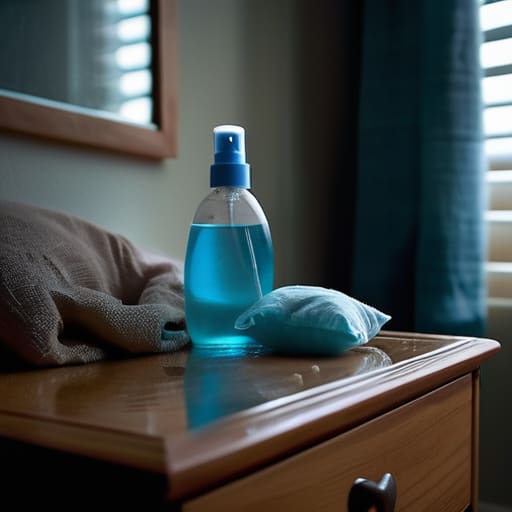
When I was working the night shifts on the paediatric ward, I saw parents who looked like they were held together by nothing but caffeine and sheer willpower. When you are in the thick of it, most postpartum physical healing tips feel like they were written for someone living in a spa, not someone trying to navigate a dark hallway without tripping over a diaper bag. At 3 AM, “self-care” isn’t a bubble bath; it’s making sure you actually drink a glass of water and that your perineal spray is within arm’s reach.
Practicality wins every time. For my second, I learned that postnatal nutrition for healing doesn’t have to be a gourmet meal; it’s the protein bar you eat standing up over the sink so you don’t crash. And while the books harp on about pelvic floor rehabilitation exercises, let’s be honest: trying to find the mental bandwidth to focus on your kegels when you haven’t slept more than two hours in a row is a tall order. Don’t aim for perfection; aim for “functional enough to get through the next feeding.” That is the real goal.
Pelvic Floor Rehabilitation Exercises Why the Guidance Often Fails You
The problem with most advice on pelvic floor rehabilitation exercises is that it assumes you have a spare twenty minutes of quiet, focused headspace. The leaflets make it sound like a calm, meditative practice—sit upright, breathe deeply, and engage the muscle. But when you’re dealing with the sheer weight of postpartum sleep deprivation management, you aren’t sitting in a sunlit yoga studio; you’re hunched over a lukewarm cup of tea, trying to remember if you’ve actually eaten anything today. Trying to focus on a precise internal contraction when your brain feels like it’s been through a blender is a recipe for frustration, not recovery.
I remember my second, when I tried to follow the “perfect” routine. I was six weeks postpartum, exhausted, and felt like a complete failure because I couldn’t even feel the muscle working. Here is the truth: consistency beats intensity every single time. Don’t wait for a “workout window” that will never come. Do three reps while you’re waiting for the kettle to boil or while you’re rocking a fussy baby. It’s not about the perfect form you see in a clinical setting; it’s about small, manageable wins that don’t add to your mental load.
Postnatal Nutrition for Healing and Combatting Postpartum Sleep Deprivation
The medical literature will tell you to “maintain a balanced diet rich in micronutrients,” which is a lovely sentiment that is entirely useless when you are staring at a pile of laundry at 4:00 AM and your only source of fuel is a lukewarm crust of toast. When I was on the ward, I saw plenty of new mums trying to white-knuckle their way through recovery on nothing but black coffee and sheer willpower. But here is the reality: postnatal nutrition for healing isn’t about meal prepping organic quinoa; it’s about survival. You need protein and slow-release energy just to keep your brain from fogging over completely. My second child, when he was about six weeks old, lived on whatever I could throw in a slow cooker—stews, soups, things that stayed warm for hours—because if you don’t eat, the physical exhaustion hits like a freight train.
When you are also navigating postpartum sleep deprivation management, your body is essentially running on emergency reserves. You’ll find yourself reaching for sugar because your brain is screaming for a quick fix, but that spike and crash only makes the hormonal rollercoaster feel more violent. Don’t aim for perfection; aim for functional eating. Keep easy, grab-and-go snacks like nuts or yogurt within arm’s reach of your nursing station or sofa. If you can manage to eat something with actual substance, you aren’t just feeding yourself—you’re giving your body the raw materials it needs to actually mend.
Identifying Signs of Postpartum Depression and Real New Mother Self Care Ro
Now, we need to talk about the heavy stuff. There is a massive difference between the “baby blues”—that tearful, exhausted fog that hits most women around day four or five—and the actual signs of postpartum depression. When I was nursing on the ward, I saw parents who were just wiped out, and I saw parents who were genuinely drowning. If you feel like you’re watching your life through a thick pane of glass, or if the idea of holding your baby makes you feel nothing but dread, that isn’t just “being tired.” It’s a clinical reality, and it is not your fault. Please, if that’s where you are, reach out to a professional.
As for new mother self-care routines, let’s be honest: if your idea of self-care is a thirty-minute yoga session and a green smoothie, you’re going to fail. That’s not a routine; that’s a fantasy. Real self-care at six weeks postpartum looks like accepting a bag of frozen peas from a neighbor or letting the laundry pile up so you can sit in silence for ten minutes. It’s about micro-wins. If you can manage to eat a piece of toast without someone pulling at your leg, you’ve won the day.
Five Hard-Won Truths for the Postnatal Trenches
- Stop trying to “get your body back” before the six-week check. When I was on the ward, I saw so many women trying to jump back into intense exercise because a fitness influencer said so, only to end up back in a clinic with pelvic organ prolapse. Your body hasn’t just “gone on a journey”; it has undergone a massive physiological restructuring. At four weeks, your main job isn’t core strength; it’s just making sure you can walk to the kitchen without feeling like you’re leaking.
- The “Sleep When the Baby Sleeps” lie. We need to stop saying this. It is the most well-intentioned, infuriating piece of advice ever conceived. If you have a newborn, when the baby sleeps, you are likely either nursing, trying to eat a piece of toast that isn’t cold, or staring at a wall in a state of total sensory overload. Instead of aiming for “sleep,” aim for “horizontal time.” Even if you just lie there and listen to a podcast, it’s a win.
- Watch your hydration like it’s your job. This sounds like basic medical instruction, but it’s actually about survival. If you are breastfeeding, your thirst isn’t a suggestion; it’s a demand. I remember my second child, when she was about three weeks old, and I realized I was getting those pounding tension headaches because I’d gone six hours without a sip of water. Keep a massive bottle next to the feeding chair. If you’re thirsty, you’re already behind.
- Learn the difference between “normal” discomfort and “call the midwife” discomfort. At ten days postpartum, feeling some soreness, some mild cramping as your uterus shrinks, and a fair bit of emotional volatility is standard. However, if you have a fever, a sudden sharp pain in one leg, or bleeding that is soaking a pad in less than an hour, stop reading this blog and call your healthcare provider. Don’t “tough it out” for the sake of the baby; that’s how things escalate.
- Outsource the small stuff before you’re drowning. By the time my third arrived, I realized that asking for help shouldn’t be a grand gesture. It’s not about asking someone to come over and hold the baby while you nap (though that’s great); it’s about saying, “I can’t do the laundry right now, can you take this load to the machine?” or “Can you pick up milk on your way?” If people ask how they can help, give them a concrete, boring task. They usually want to help; they just don’t want to be in the way.
The Bottom Line: What to Carry With You
Distinguish between “medical red flags” and “the messy reality”—if you’re bleeding but it’s just a bit more than expected, or you’re crying because you’re exhausted, that’s often just the job, but if you’re soaking a pad an hour or feeling truly disconnected, call the professionals.
Forget the “bounce back” timeline; your body isn’t a project to be completed, it’s a system that is currently rebuilding itself from the ground up, and that process takes months, not the three weeks the generic pamphlets suggest.
Self-care isn’t a bubble bath when the kids are asleep (because let’s be honest, you’ll just be scrolling on your phone or staring at a wall); it’s about lowering the bar for what a “successful” day looks like and accepting that survival is a valid form of progress.
One Day at a Time
We have covered a lot of ground here, from the clinical reality of pelvic floor rehab to the messy, hormone-driven chaos that makes you feel like a stranger in your own skin. If you take anything away from this, let it be this: there is a massive difference between following the medical checklist and actually feeling recovered. You can do every single breathing exercise and eat every nutrient-dense meal prescribed, and you might still find yourself sitting on the kitchen floor at 4:00 AM feeling utterly depleted. That isn’t a failure of your discipline; it is simply the reality of a body that has just performed a biological miracle while being simultaneously deprived of sleep. Recovery isn’t a straight line on a graph; it’s a jagged, unpredictable series of small wins and heavy setbacks.
As you navigate these weeks and months, please try to be as kind to yourself as you would be to one of the tiny, fragile patients I used to look after on the ward. When my eldest was six weeks old, I thought I had “mastered” the recovery phase because I was hitting my physical milestones, only to realize I was completely ignoring my mental exhaustion. Give yourself permission to be imperfect. The manual provides the map, but you are the one actually walking the terrain. You are doing a hard thing, often in the dark, and you are doing it much better than you think you are.