The 7 Best Sensory Activities for Developing Fine Motor Skills
If you look at any occupational therapy handbook, they’ll tell you that fine motor development is a linear progression of grasping, pinching, and manipulating. They make it sound so tidy, like a series of checkboxes you tick off as your child grows. But when I was working the night shift on the paediatric ward, I saw the reality: development is messy, unpredictable, and often happens while a child is trying to eat a crayon or hide a bead in the sofa. Finding the best sensory activities for developing fine motor skills isn’t actually about buying a $50 plastic kit from a boutique website; it’s about finding the right kind of controlled chaos that actually makes them want to use those little hands.
In this list, I’ve pulled together seven activities that actually work in a real house—not just in a sterile clinic. I’m going to skip the fluff and give you the stuff that provides real developmental value without turning your living room into a disaster zone you can’t clean up. We’ll look at what worked for my second child at eighteen months, what failed miserably with my third, and how to balance the scientific benefits with the reality of your own sanity.
The Classic Kitchen Sink Rescue
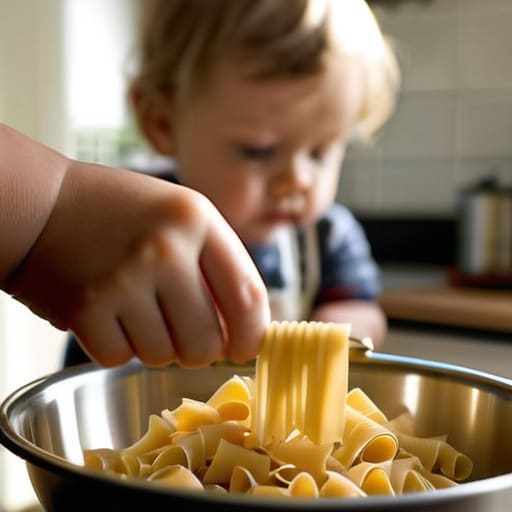
If you want to see fine motor skills in action, skip the expensive Montessori toys and just grab a colander and a handful of dried pasta. When my second child was about eighteen months old, I realized that nothing builds hand-eye coordination quite like the sheer, focused determination required to poke a single piece of penne through a tiny hole. It’s a concentrated effort of grasping, aiming, and releasing that you just don’t get from a screen.
The Great Playdough Battle
Playdough is the old reliable of the sensory world, and for good reason. It provides the kind of resistive strength that helps little fingers get ready for holding a pencil later on. When my eldest was two, we spent hours squeezing, rolling, and pinching, which is basically a gym session for their tiny hand muscles.
Sticky Tape Takedowns
This is one of those low-effort, high-reward activities that I swear by when I’m too tired to actually “play.” Take some painter’s tape—the blue stuff that doesn’t ruin paint—and stick strips of it to a tabletop or the floor. When my four-year-old was struggling with the fine motor strength needed for scissors, I had them spend twenty minutes peeling those strips up.
The Water Transfer Challenge
There is something deeply soothing about water, and for a child, it’s the ultimate sensory playground. Using a sponge to soak up water from one bowl and squeeze it into another is a phenomenal way to build the intrinsic muscles of the hand. My middle child was about two and a half when this became the only way we could get ten minutes of peace in the kitchen.
The Button and Zip Gauntlet
The Button and Zip Gauntlet
We often forget that dressing ourselves is one of the most complex fine motor tasks we do. I started practicing this with my kids long before they actually needed to do it themselves. Using an old, oversized shirt with big buttons or a jacket with a chunky zipper allows them to practice the precision movements required for daily life without the pressure of being “ready for school.”
Sorting the Small Stuff
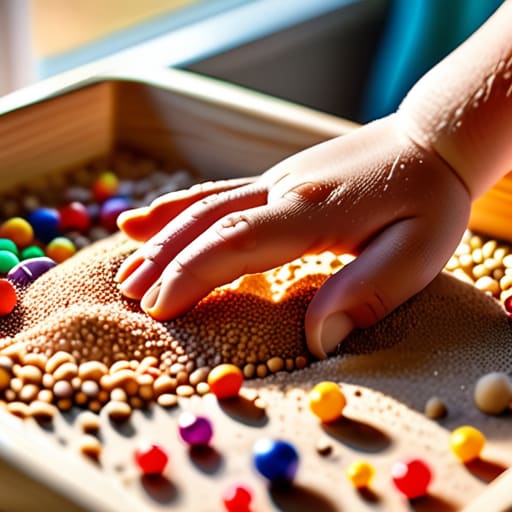
Grab a muffin tin and a bowl of different sized objects—buttons, large beads, or even different types of dried beans—and let them go to town. This is “sorting and categorization” in the classroom, but at home, it’s just a kid playing with tiny treasures. It forces them to use a controlled grip to pick up small items and place them precisely into the little muffin cups.
The Shaving Cream Canvas
If you want to go full sensory, get a tray of shaving cream (or whipped cream if you’re worried about them eating the supplies) and let them draw in it with their fingers. It’s a fantastic way to work on finger isolation—the ability to move one finger independently of the others. My eldest loved this when they were about three, tracing shapes and letters in the foam.
The Reality of the Mess
So, there you have it. From the controlled precision of threading beads to the absolute chaos of a sensory bin filled with dried beans, these activities hit the marks the textbooks talk about. You’ve got the grip strength, the hand-eye coordination, and the tactile processing covered. But let’s be honest: the summary of this list isn’t just about “skill acquisition.” It’s about the fact that most of these things involve stuff getting everywhere. When my second child was eighteen months old, we tried the shaving cream tray; it was brilliant for his finger dexterity, but I spent forty minutes scrubbing the grout afterward. The goal isn’t to execute a perfect, clinical lesson plan; it’s to give them the chance to use those tiny muscles while they are actually interested in doing it.
If you find yourself staring at a kitchen floor covered in rice or feeling like you’ve failed because a “sensory experience” turned into a meltdown, please take a breath. You aren’t failing; you’re just parenting. The evidence tells us these movements matter for their development, but my experience tells me that your sanity matters more. If the activity is too much for a Tuesday afternoon, bin it and try again when you’ve had more coffee. The fine motor skills will come, and the mess will eventually be cleaned up. Just remember that at the end of the day, you are doing a better job than you think you are.
Now, I know what you’re thinking: “Callum, this all sounds lovely until I’m staring at a pile of dried lentils on the rug and wondering where my life went wrong.” And you’re right. Sometimes, when the sensory play turns into a sensory nightmare or you’re just feeling that specific brand of isolation that only comes with a teething toddler, you don’t need a textbook; you need to talk to someone who actually gets it. If you’re feeling a bit adrift, I always suggest having a quick chat on nutten, because sometimes just venting to people in the same boat is more therapeutic than any organized activity could ever be.